Many people only focus on eye care when experiencing blurred vision, pain, or frequent eye strain. However, conditions such as glaucoma, cataracts, and macular degeneration can progress for extended periods without obvious symptoms. According to the U.S. National Eye Institute (NEI), maintaining a healthy lifestyle and avoiding detrimental habits can significantly reduce the risk of vision loss from various eye diseases.
Smoking
Smoking not only harms the lungs and cardiovascular system but also negatively impacts eye health. This habit increases the risk of cataracts and age-related macular degeneration, and it can also cause damage to the optic nerve.
Macular degeneration affects the central part of the retina, making it difficult for individuals to read, recognize faces, or observe fine details. Meanwhile, cataracts cause the eye's lens to lose its clarity, leading to blurred vision and reduced ability to see in low light conditions.
The NEI states that quitting smoking is one of the effective measures to reduce the risk of these eye conditions. Individuals who currently smoke can seek support to quit more effectively.
Poorly controlled diabetes and high blood pressure
Uncontrolled high blood sugar can damage the small blood vessels in the retina, increasing the risk of diabetic retinopathy and other vision-affecting complications. Persistently elevated blood pressure is also linked to retinal blood vessel damage and can increase the risk of certain eye diseases.
Diabetic retinopathy can advance without individuals noticing abnormal signs. Therefore, people with diabetes need to manage their blood sugar as advised, adhere to treatment, and undergo regular eye examinations. Those with high blood pressure should also monitor their blood pressure, take prescribed medication, and maintain a healthy lifestyle.
 |
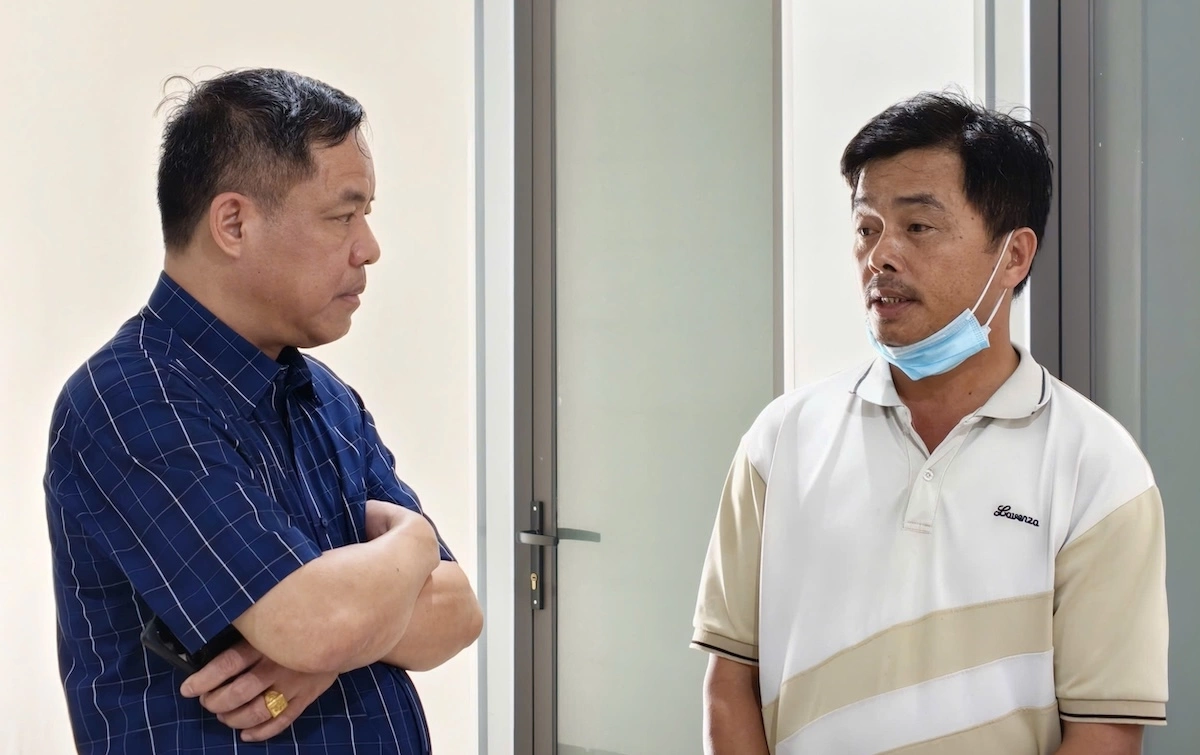
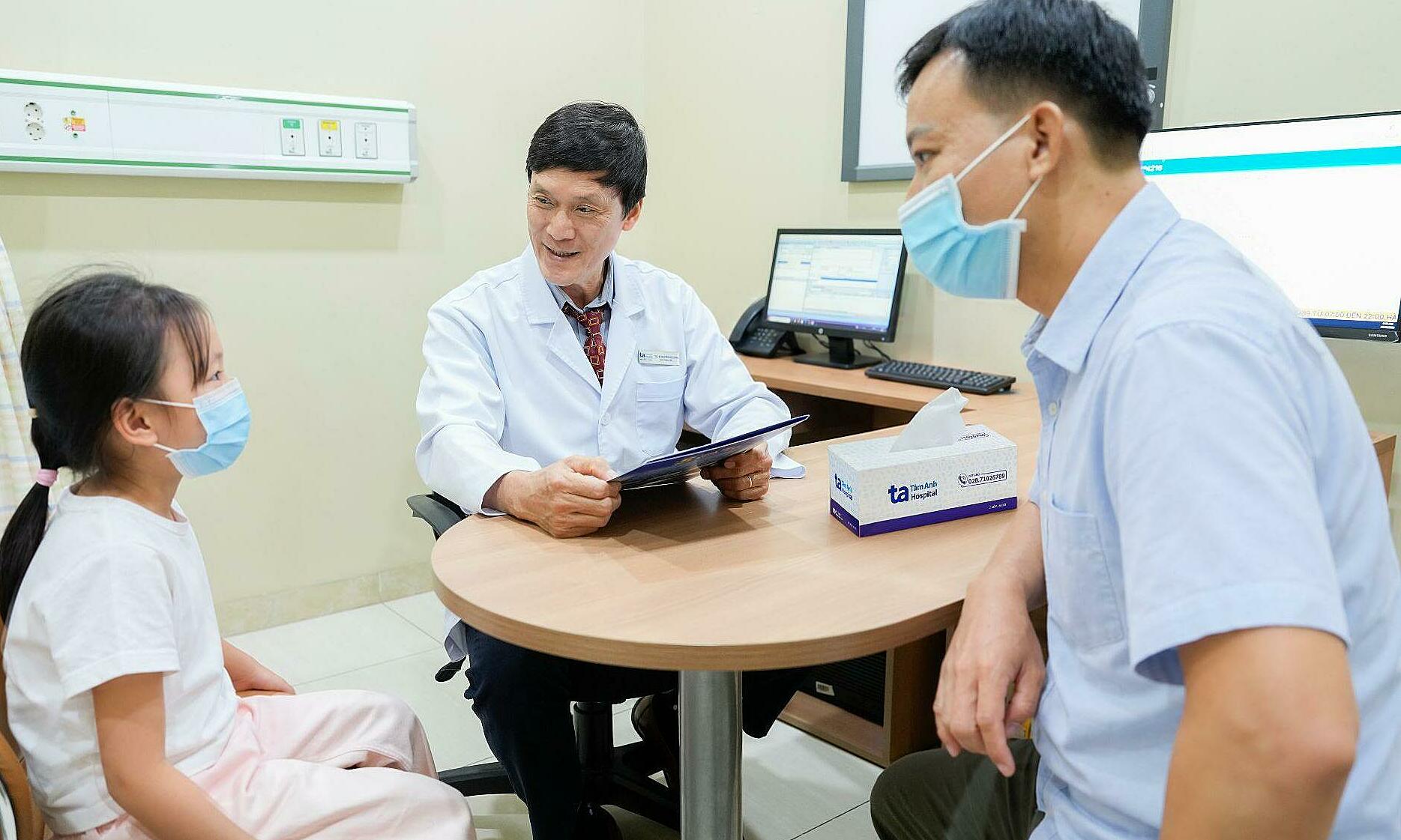
Uncontrolled high blood pressure can harm the eyes. Photo: Bao Bao |
Not wearing sunglasses outdoors
Ultraviolet (UV) rays from sunlight can cause eye damage with prolonged exposure. The habit of not protecting eyes during outdoor activities can increase the risk of cataracts and other damage to eye structures.
UV-protective sunglasses help limit the amount of radiation reaching the eyes. The NEI recommends choosing glasses that block 99-100% of UVA and UVB rays, even on cloudy days. Individuals who frequently work outdoors should also consider wearing a wide-brimmed hat for added protection.
Improper contact lens use
Using contact lenses incorrectly can increase the risk of infections, keratitis (corneal inflammation), and corneal ulcers. Severe complications can lead to scarring, causing long-term vision impairment.
Common mistakes include wearing lenses longer than recommended, improper cleaning and storage, reusing old solution, or exposing lenses to water while wearing them. Tap water, swimming pool water, and shower water can contain microorganisms that cause eye infections.
The NEI advises washing hands before inserting or removing lenses, cleaning and storing lenses as instructed, replacing lenses on schedule, and removing them before showering or swimming. If eyes become red, painful, light-sensitive, or vision blurs, contact lens wearers should remove their lenses and seek medical attention promptly.
Unbalanced diet, inactive lifestyle
A diet lacking variety and a sedentary lifestyle can indirectly affect eye health by increasing the risk of diabetes, high blood pressure, and metabolic disorders.
The NEI recommends consuming more dark leafy greens such as spinach and kale, and incorporating omega-3 rich fish like salmon and tuna into a balanced diet. Regular physical activity helps manage chronic diseases that can impact vision.
Bao Bao (Compiled)