Increasing age does not mean you must stop exercising. Appropriate physical activity can still benefit both body and mind.
Older adults can still do strength training
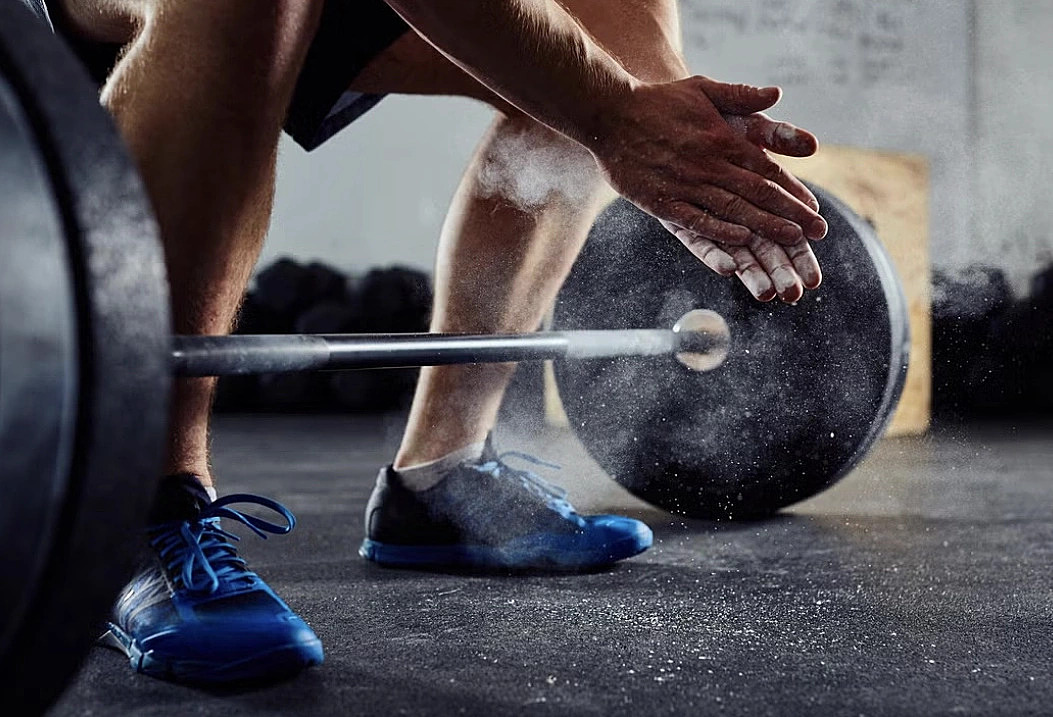
According to WebMD, physical activity helps older adults maintain strength, balance, and coordination, thereby supporting their independence in daily life. Age does not imply eliminating strength exercises or always maintaining low intensity. Muscles require new stimulation to continue building and maintaining strength. With resistance training, one can gradually increase weight, repetitions, time under tension, or range of motion as the body adapts.
"Heavy training" also does not have a fixed level for everyone; it depends on individual physical condition. Beginners should select a weight they can control with correct technique, then gradually increase difficulty. Individuals with medical conditions, injuries, or mobility limitations should be assessed before engaging in high-intensity training.
Balance training alone does not help prevent falls
Standing on one leg, walking in a straight line, or other balance exercises can improve body control. However, balance training alone is insufficient to reduce the risk of falls in older adults.
Strong leg muscles help the body maintain posture when stumbling or changing direction suddenly, while core muscles and the ability to generate force quickly also support stability. Therefore, to prevent falls, older adults should combine full-body strength training with balance and functional exercises.
Regular exercise also helps improve strength, agility, and coordination, which are crucial for maintaining independent movement as one gets older.
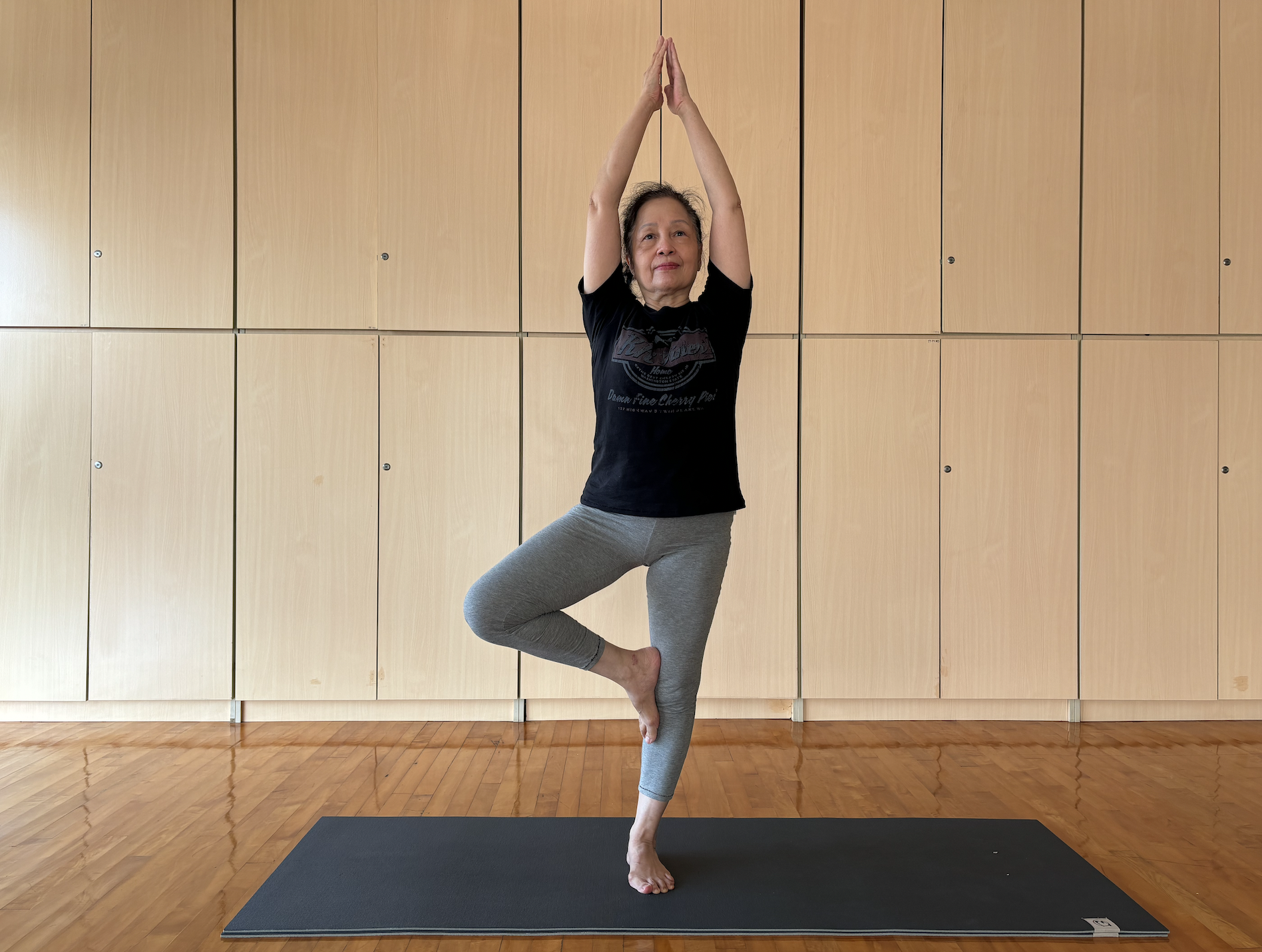 |
A woman practices the tree yoga pose to maintain balance as she gets older. Photo: Quynh Dung
Osteoporosis patients can still lift weights
Individuals with osteoporosis or reduced bone density often worry that weight training puts pressure on bones, increasing fracture risk. In reality, appropriate strength training can apply mechanical force to bones, helping to maintain or improve bone density.
Griffith University and The Bone Clinic (Australia) conducted a study on 101 postmenopausal women, with an average age of 65, who had reduced bone mass. Participants performed deadlifts, squats, and overhead presses with high loads, under expert guidance. Training frequency was two sessions per week, 30 minutes per session for 8 months. Results showed that bone mineral density in the lumbar spine and femoral neck improved more significantly compared to the low-intensity home training group.
This does not mean people with osteoporosis should self-train with heavy weights. The level and technique require adjustment based on bone condition, mobility, and injury risk, with expert consultation.
Joint pain does not require stopping exercise completely
When knees, hips, shoulders, or back hurt, many people tend to completely avoid the affected area, fearing that movement will worsen the injury. However, complete rest is not always the best option. For some joint conditions, appropriate movement can help maintain muscle strength, improve mobility, and reduce pain.
According to WebMD, exercise can help alleviate arthritis symptoms in older adults. However, exercises must be chosen based on joint condition and individual load-bearing capacity. If pain appears suddenly, severely, lasts long, or is accompanied by swelling and limited movement, the patient should be assessed rather than attempting to push through the pain.
Starting exercise later in life is still beneficial
This misconception often leads inactive individuals to procrastinate further. Even in older adults, initiating an appropriate exercise program can improve strength. According to Prevention, the goal when older is not necessarily to train as one did at 20-30 years old, but to continue building the physical capabilities needed to maintain activity and independence for as long as possible.
Beginners should start at a manageable level, prioritize proper technique, and gradually increase duration or intensity. Individuals with chronic diseases, unusual symptoms, or injuries should consult a doctor or rehabilitation specialist before exercising.
Bao Bao (Compiled)