Our eyes play a vital role in overall health. There are many ways to protect your eyes from damage and maintain healthy vision long-term.
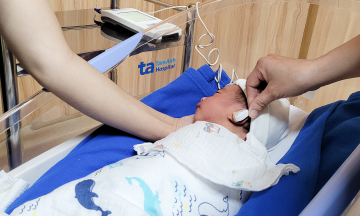
Regular eye exams are a simple way to maintain vision. Some eye conditions can progress silently, even with normal vision, and are only detected during a specialized examination. Eye check-ups not only determine the need for corrective lenses but also aid in early detection of many diseases for timely treatment.
A comprehensive dilated fundus exam is often recommended from 60 years of age or earlier if risk factors are present. During this procedure, the doctor administers drops to dilate the pupils, allowing a clear view of the retina, macula, and optic nerve to detect early signs of damage.
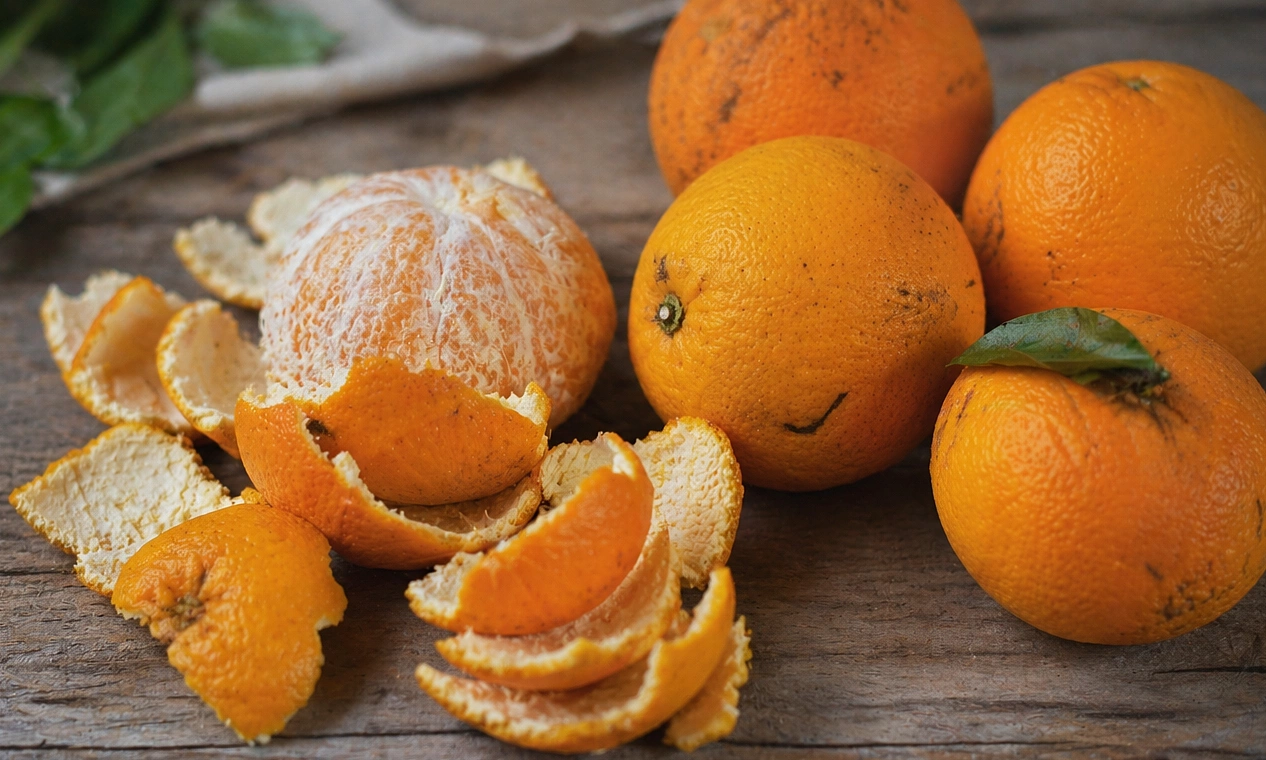
A diet rich in fruits and vegetables can support eye health. Dark leafy greens like kale and spinach contain lutein and zeaxanthin, antioxidants that help reduce the risk of cataracts. They also help protect the retina from oxidative stress, thereby lowering the risk of age-related macular degeneration.
Omega-3 rich fish such as salmon, mackerel, sardines, and tuna are also beneficial for the eyes. Omega-3 reduces inflammation on the eye surface and alleviates dry eyes, supporting visual cells against future damage.
Being overweight or obese increases the risk of conditions like diabetes or metabolic disorders, which can lead to complications causing vision loss. Maintaining a healthy weight through a balanced diet and regular exercise can help reduce the risk of obesity-related eye diseases.
Weight loss can improve eye damage caused by diabetes, high blood pressure, or obesity. Individuals who exercise regularly have a significantly lower risk of glaucoma compared to those who are less active.
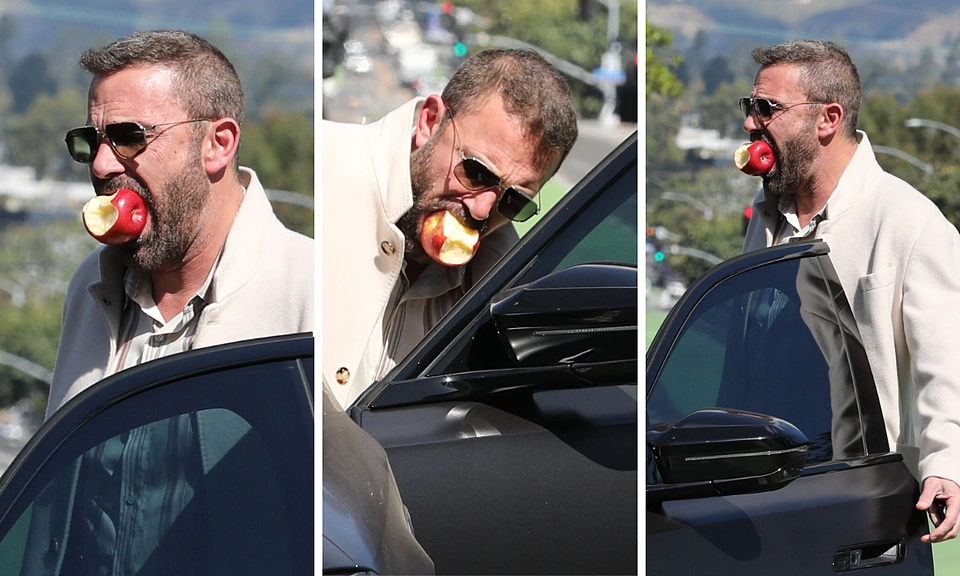
Wearing sunglasses protects the eyes from ultraviolet (UV) rays from sunlight. When choosing sunglasses, prioritize those that block 99-100% of UVA and UVB rays. Properly wearing sunglasses can reduce the risk of sun-induced eye damage.
Working on computer screens for extended periods can easily lead to eye strain due to less frequent blinking. Apply the 20-20-20 rule: every 20 minutes, look at an object about 20 feet (about 6 m) away for 20 seconds. Spending more time outdoors and limiting continuous close-up activities can also prevent future myopia.
Bao Bao (According to Medical News Today)
| Readers can send questions about ophthalmological conditions here for doctors to answer. |