Dr. Kim Thi Be Diep, an oncologist at the Oncology Department, Oncology Center, Tam Anh General Hospital TP HCM, states that choosing a gastric cancer treatment method depends on several factors: the disease stage, tumor characteristics, pathological results, and molecular biological factors such as: HER2, MSI, PD-L1, and gene tests. Additionally, treatment response, the patient's physical condition, co-existing diseases, psychological state, and wishes are considered.
Surgery: In early stages, surgery aims for a complete cure. For patients with advanced gastric cancer, surgery is primarily indicated to alleviate symptoms and improve quality of life.
Chemotherapy: Chemicals are used in chemotherapy to destroy or inhibit the growth of cancer cells. For gastric cancer treatment, chemotherapy may be administered before surgery (neoadjuvant) or after surgery (adjuvant) to enhance the effectiveness of curative treatment.
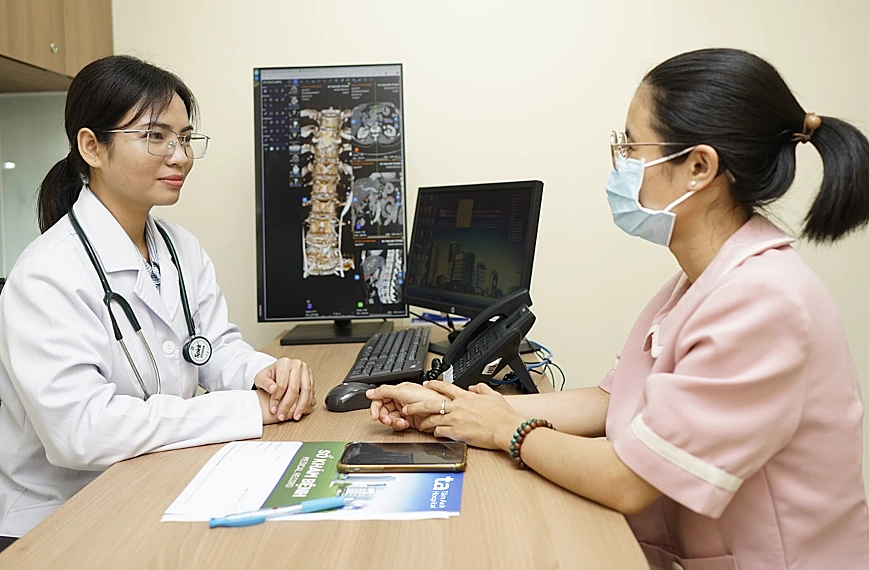 |
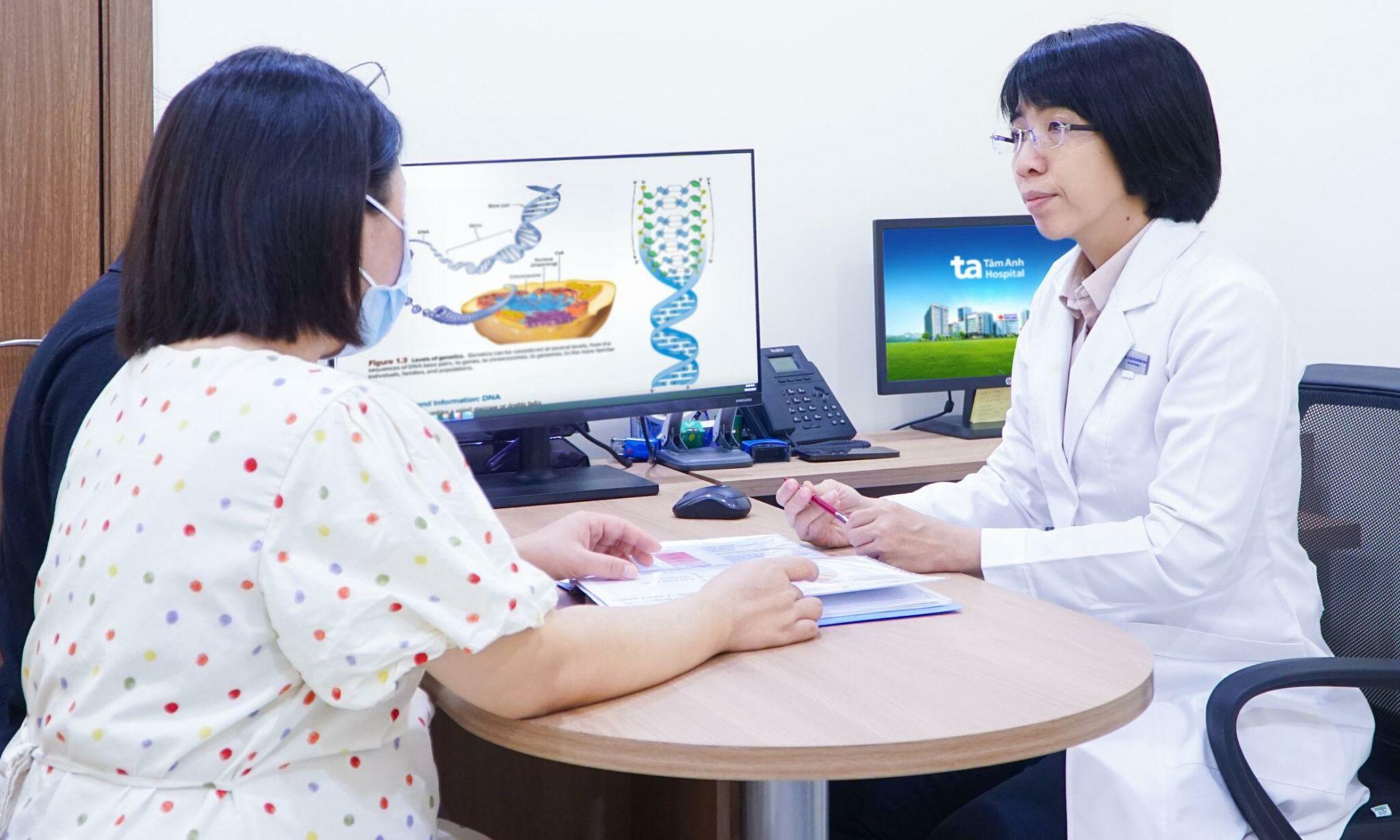
Dr. Diep consults a client. Illustration: Tam Anh General Hospital |
When cancer has spread (metastasized) to other organs or cannot be surgically removed, doctors prescribe chemotherapy to shrink tumors, slow their growth, reduce symptoms, and prolong the patient's life.
Radiation Therapy: This method uses high-energy radiation to destroy cancer cells. Radiation therapy is rarely indicated for early-stage gastric cancer patients, as surgery or endoscopic intervention is primarily used at this stage, and chemoradiation is not required.
For locally advanced gastric cancer, chemotherapy before surgery aims to reduce tumor size and increase the likelihood of curative surgery. According to Dr. Kim Be, pre-operative chemoradiation is only considered in selected cases. If the cancer is inoperable, radiation therapy is prescribed to alleviate symptoms such as pain and bleeding, thereby improving the patient's quality of life.
Targeted Therapy: This method uses drugs that act on specific molecular targets involved in cancer cell development. It is often used in combination with other methods, such as chemotherapy.
Immunotherapy: Immunotherapy harnesses the body's immune system to fight cancer. Immune checkpoint inhibitor drugs, such as PD-1 (Programmed Death-1), enhance the immune system's ability to recognize and destroy cancer cells. In treating advanced or metastatic gastric cancer, these drugs may be used in combination with chemotherapy for patients with suitable markers (for example: PD-L1 positive or MSI-H).
Palliative Care: This approach integrates various care, support, and treatment methods to enhance quality of life, reduce disease symptoms, and manage treatment side effects. Palliative care can be applied to all cancer patients from the moment of diagnosis, throughout their treatment, and particularly in the late stages of cancer.
Nguyen Tram