Master, Doctor Nguyen Phuong Thao from the Fetal Medicine Unit at Tam Anh General Clinic District 7, explains that pregnant women have increased metabolic demands, making their cardiovascular system and thermoregulation more sensitive to sudden temperature changes. The difference between outdoor temperatures and air-conditioned indoor environments can cause blood vessels to constrict rapidly, reducing immune response in the upper respiratory tract and increasing the risk of colds. Expectant mothers should consider the following advice to prevent illness.
Maintain air conditioning temperature at 26-28 degrees Celsius
Pregnant women should maintain an ideal room temperature of about 26-28 degrees Celsius. Combining this with a humidifier set at 40-60% helps protect the respiratory system. Avoid directing the airflow from the air conditioner directly onto the head and face while sleeping. Periodically, turn off the air conditioner and open the room's windows for 10-15 minutes to allow air circulation, preventing the accumulation of carbon dioxide and pathogens in enclosed spaces.
Avoid entering air-conditioned rooms immediately after being in the sun
After being outdoors in the sun, the body's temperature is high, and pores are maximally dilated to release sweat. Entering an air-conditioned room immediately can cause sudden temperature changes that lead to blood vessel constriction, potentially resulting in dangerous heat shock. Pregnant women should rest for 5-10 minutes in a cool, airy place, wipe away sweat, and allow their bodies to gradually adapt before entering an air-conditioned room.
Drink enough water
Pregnant women need to supplement their water intake to control elevated body temperature, improve blood volume, and produce amniotic fluid. Drinking plain water or fruit juice at room temperature or slightly cool helps prevent dehydration, constipation, and edema. Avoid excessive consumption of ice water, as it can cause a sore throat, leading to a cold.
Supplement with fruits
Expectant mothers should eat fruits rich in vitamin C, such as oranges, grapefruits, and tangerines. These help strengthen the immune system and provide nutrition for the fetus. Vitamin C acts as an antioxidant, supporting white blood cell production to bolster the body's defenses against colds and flu. It also optimizes iron absorption, preventing pregnancy-related anemia.
Pregnant women should prioritize whole fruits to naturally supplement fiber. If consuming juice, choose fresh, unsweetened varieties and limit it to one glass daily to manage blood sugar and prevent gestational diabetes. Mothers also need to maintain a balanced diet to provide all necessary nutrients for the fetus.
 |
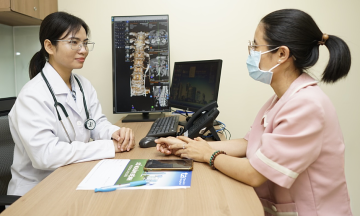
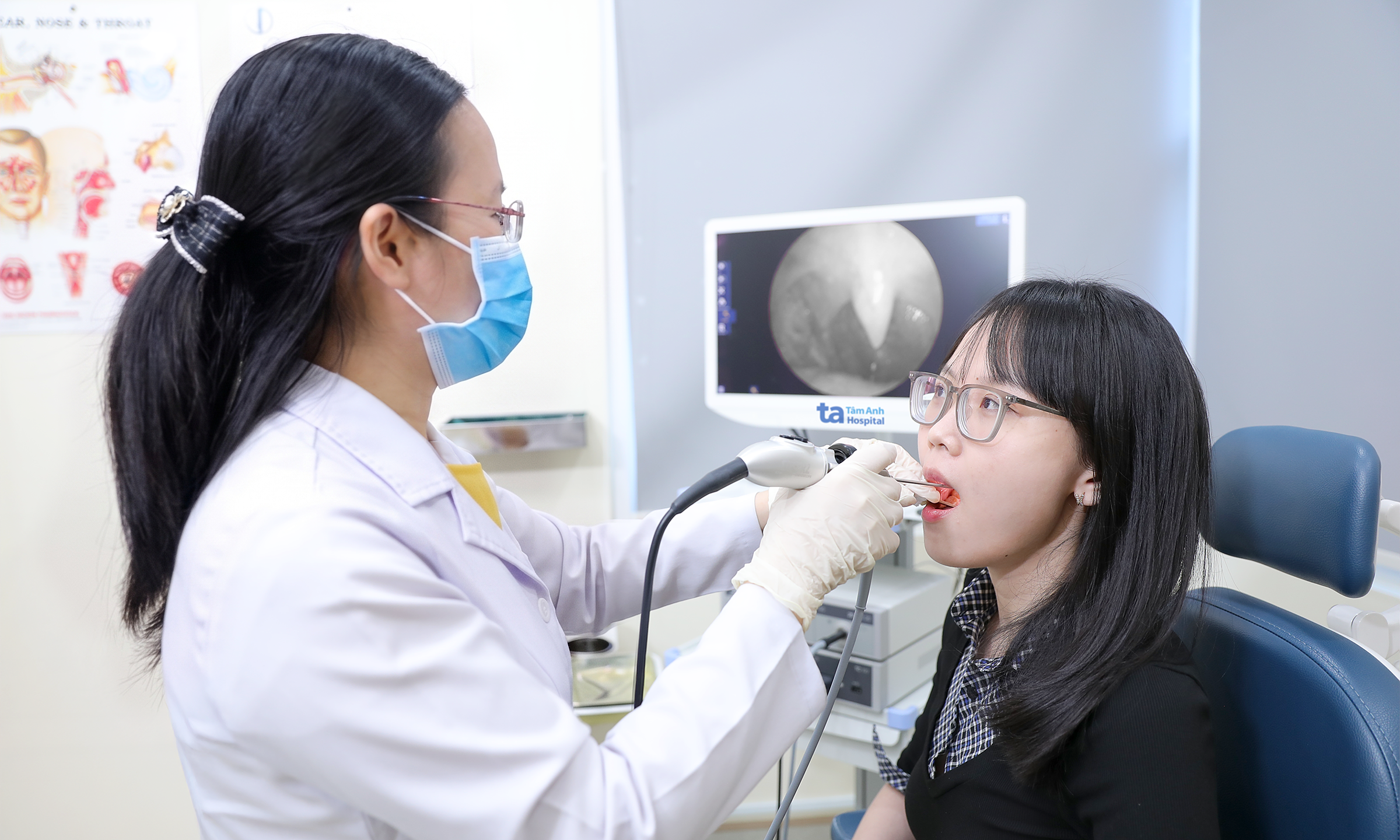
Doctor Thao consults a pregnant woman. Illustration: Tam Anh General Clinic District 7 |
Practice daily nasal and throat hygiene
Cleaning the nose and throat with physiological saline (0.9% NaCl) is a safe and effective measure for pregnant women. Rinsing the nose after being outdoors helps remove dust and bacteria, keeping the mucous membranes moist and the airways clear. Mothers should also gargle two to three times daily with warm salt water (mixed with one-half teaspoon of salt) to soothe the throat, reduce inflammation, and limit the risk of respiratory infections.
Doctor Thao advises pregnant women not to self-medicate if symptoms like sneezing, runny nose, or fever appear. Instead, they should visit a healthcare facility for appropriate and safe treatment for both mother and baby.
Ngoc Chau
| Readers can submit questions about obstetrics and gynecology here for a doctor's response |