The kidneys play a crucial role in filtering blood, eliminating waste, and maintaining the body's internal balance. Master of Science, Doctor Nguyen Anh Duy Tung, a specialist in Nutrition and Dietetics at Tam Anh General Clinic, District 7, states that diets high in salt, strong seasonings, processed foods, pickled foods, and alcohol can increase the metabolic burden on the kidneys.
**Fish Sauce, Soy Sauce, and Other Sauces**
Doctor Tung notes that 1 ml of fish sauce contains about 77 mg of sodium, and 15 ml of soy sauce contains 1,024 mg of sodium. Some sauces also include sodium-containing additives like MSG, disodium guanylate, and disodium inosinate to enhance flavor. A habit of consuming salty foods and heavy dipping sauces leads to sodium intake exceeding the recommended daily limit (around 2,000 mg for adults), which can increase blood pressure and force the kidneys to work harder to excrete it.
To maintain health, individuals should reduce seasoning during cooking, limit heavy dipping sauces, and opt for low-sodium products. Those with high blood pressure or kidney disease need to strictly control their daily salt intake.
**Dried Fruits**
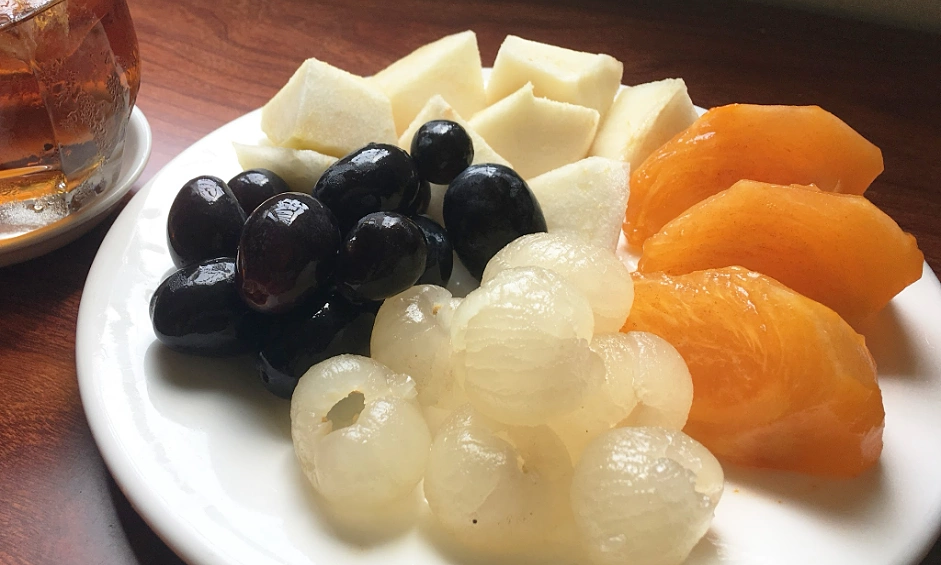
The fructose content in dried fruits is often higher than in fresh fruits. Regular consumption of large quantities of fructose can increase uric acid production, raising the risk of kidney stone formation and gout. Some dried fruits also contain significant amounts of potassium. In individuals with impaired kidney function, potassium accumulation can cause electrolyte imbalances, affecting cardiovascular health and overall well-being.
An individual should consume only 20-30 g of soft dried fruit per day (equivalent to a small handful) and limit intake to two to three times per week. Prioritize products with no added sugar and fewer additives, replacing them with fresh fruits in the daily diet.
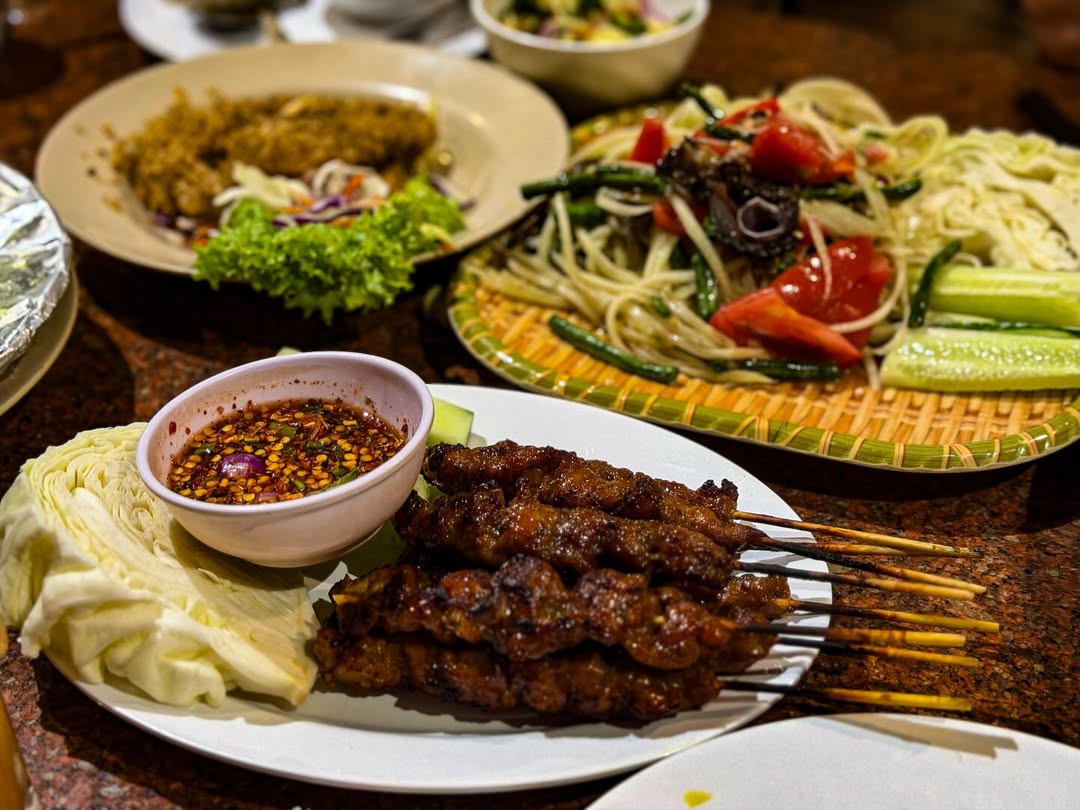 |
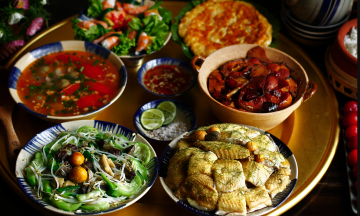
Limiting dishes rich in fish sauce, soy sauce, and other sauces can reduce the risk of kidney stone formation. Photo: Quoc An |
**Animal Organs**
Animal organs like liver, kidney, and heart contain high purine levels, which increase uric acid in the body and contribute to kidney stone formation. These foods also contain vitamin A levels 7-8 times higher than the daily recommended intake.
Doctor Tung advises adults to consume organ meats a maximum of one to two times per week, with each serving being 50-70 g, and to prioritize cooked organs. Diversify protein sources with lean meat, fish, and eggs. Individuals with a history of gout, kidney stones, or chronic kidney disease should consult a doctor before consumption.
**Processed Meats**
Processed meats such as bacon, sausages, and beef jerky are often heavily seasoned with salt and additives. Regular consumption can increase sodium levels in the body, leading to high blood pressure and putting strain on kidney filtration. Some additives containing phosphorus, when accumulated in the body, can disrupt mineral balance, affecting bones and cardiovascular health.
**Pickled Foods**
Pickled vegetables are prepared by brining for natural fermentation. Due to their high sodium content, large consumption forces the kidneys to work harder to regulate water and electrolytes, contributing to increased blood pressure.
Limit consumption of pickled vegetables to no more than two to three times per week, and avoid pairing them with other high-salt dishes in the same meal. When preparing at home, control salt amounts and ensure hygiene. Individuals with high blood pressure or kidney disease should minimize their intake of these foods.
**Alcoholic Beverages**
Alcohol in alcoholic beverages can inhibit antidiuretic hormone (ADH), increasing urine excretion and affecting the body's water-electrolyte balance. Frequent or heavy alcohol consumption causes dehydration, burdens the kidneys, and increases the risk of kidney stone formation. Individuals showing signs of kidney disease should cease alcohol consumption.
Alongside diet, everyone should maintain a healthy lifestyle, increasing intake of green vegetables and fruits rich in vitamins, minerals, antioxidants, and fiber. Drinking one to two liters of water daily helps eliminate toxins and prevent kidney stones. Engage in at least 30 minutes of physical activity daily, such as brisk walking, cycling, yoga, or swimming, to stabilize blood pressure. When using medication, adhere to a doctor's instructions, avoiding overuse of pain relievers and anti-inflammatory drugs, which can affect kidney function.
Because kidney disease often progresses silently with few early symptoms, regular health check-ups are essential. Individuals with risk factors such as diabetes, high blood pressure, obesity, or those over 40 should undergo screening as recommended by a doctor.
Quoc An
| Readers can submit nutrition questions here for doctor consultation |