Foods containing bacteria, viruses, parasites, or harmful chemicals cause over 200 different types of foodborne illnesses. Common food poisoning bacteria include Salmonella (found in eggs and poultry), Listeria (in processed foods), and Bacillus cereus (in leftover rice).
According to nutritionist Do Thi Lan of the Nutrition Department at Tam Anh General Hospital, Hanoi, foods are at high risk of bacterial contamination during hot weather. Room temperatures fluctuating around 20-28 degrees C, coupled with high humidity, accelerate bacterial growth, particularly when certain foods are not stored correctly.
Leftover rice
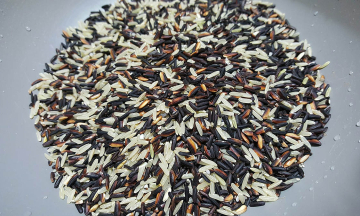
Leftover rice provides a favorable environment for Bacillus cereus bacteria to grow. This type of bacteria can exist as spores in rice and is not completely destroyed during cooking. If rice is left at room temperature for too long, bacteria can multiply and produce toxins harmful to health. Bacteria can still grow even if the rice shows no unusual smell or signs. If not consumed entirely, leftover rice should be refrigerated as soon as possible.
Cut fruits
Watermelon, mango, dragon fruit, and similar fruits, if still whole with their skin, can be left out for a short time. However, once cut, their water and sugar-rich flesh becomes a favorable environment for bacterial growth. In hot and humid conditions, this process accelerates.
Cut fruits should be refrigerated and consumed within the day. They should not be left at room temperature for more than one to two hours to minimize the risk of foodborne illness.
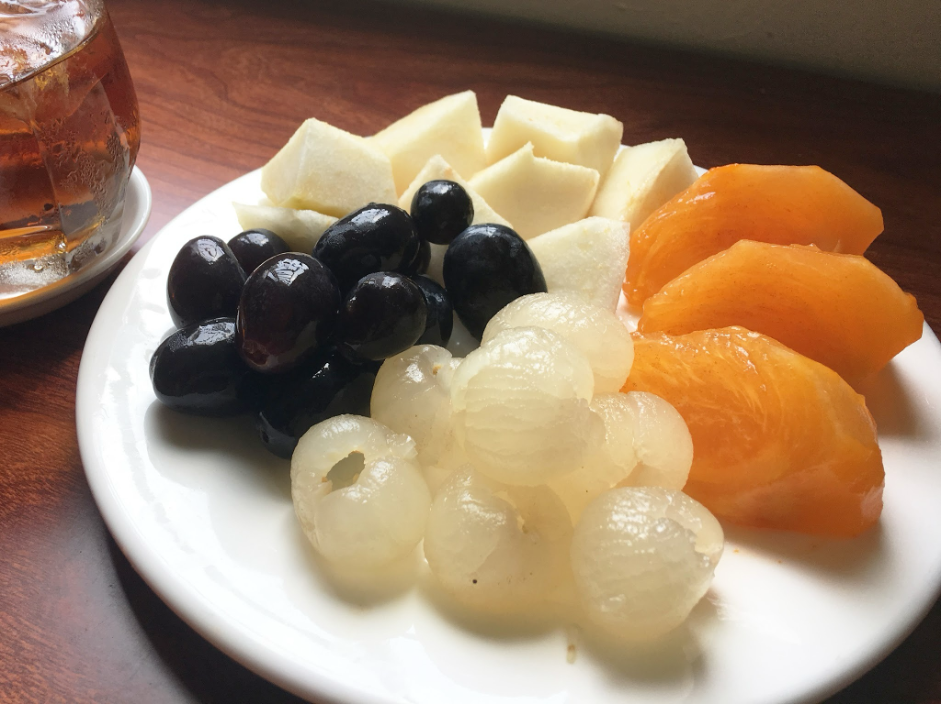 |
Cut fruits should be refrigerated and consumed within the day. Photo: Ly Nguyen |
Processed meats
Cold cuts, Vietnamese pork sausage (gio cha), and sausages are thoroughly processed and contain preservatives, making them spoil slower than fresh foods. However, bacteria like Listeria can survive in processed foods and continue to grow if left out in the heat for too long.
Perishable foods such as meat, eggs, dairy, and processed ready-to-eat meals should not be left out for more than two hours. Sliced gio cha or sausages should be refrigerated immediately after use.
Boiled eggs
According to specialist Lan, after boiling, the natural protective layer of the eggshell is compromised, making it easier for bacteria, especially Salmonella, to penetrate. Boiled eggs should be consumed within one to two days and not left at room temperature for more than two hours to reduce the risk of contamination and ensure safe consumption.
Nutrition specialist Lan emphasizes that during hot weather, cooked food should never be left out overnight. Bacteria can proliferate quickly at room temperature, even if the food is later reheated. Furthermore, some bacteria can produce toxins that are not fully eliminated by re-heating.
To prevent food poisoning, promptly refrigerate food, regularly check and maintain refrigerator temperatures below 4 degrees C, and periodically clean the refrigerator to inhibit bacterial growth. Leftovers require thorough reheating before consumption and should not be reheated multiple times.
Ly Nguyen
| Readers can submit questions about digestive diseases here for doctors to answer |