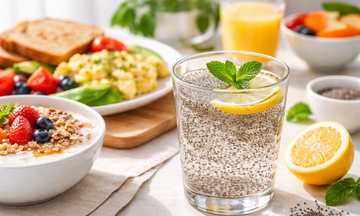
Food provides the body with energy and nutrients, directly influencing the digestive process, from the breakdown of food in the stomach and absorption in the small intestine to the elimination of waste through the colon.
Master, Doctor Nguyen Hoang Oanh, from the Department of Gastroenterology at Tam Anh District 7 Polyclinic, states that choosing appropriate foods helps the digestive system function smoothly, protects the intestines, and reduces the risk of chronic digestive diseases. Doctor Oanh offers several tips for building a diet that promotes digestive health.
Prioritize natural fiber
Soluble fiber softens stool, nourishes beneficial bacteria, and stabilizes blood sugar, while insoluble fiber increases stool bulk, promotes bowel movements, and prevents constipation. When selecting foods, prioritize fresh, whole fruits and vegetables, and limit refined products that have had their fiber removed.
Supplement with probiotic-rich foods
The gut microbiome plays a crucial role in digestion, absorption, and immunity. Foods containing probiotics (beneficial bacteria) such as: yogurt, kefir, naturally fermented sauerkraut, and kimchi can help prevent diarrhea, manage irritable bowel syndrome (IBS), and maintain microbial balance. Supplementing with probiotic-rich foods also reduces bloating and strengthens the intestinal lining's protective barrier.
 |
Doctor Oanh advises a patient on the mechanism of food digestion. Illustration: Tam Anh General Hospital. |
Increase water and mineral intake
Water softens stool, aids in food transport, and protects the intestinal lining. Water-rich foods like: green vegetables, cucumbers, oranges, grapefruits, watermelons, and soups help replenish vitamins and minerals, support bowel movements, prevent dehydration, and reduce the risk of digestive disorders.
Limit saturated fats
High consumption of saturated fats forces the stomach to work continuously and excessively, increasing the risk of reflux and bloating. Individuals should prioritize easily digestible unsaturated fats from fatty fish, olive oil, or sesame oil to reduce pressure on the liver and gallbladder, supporting efficient digestive system function. Steaming, boiling, light braising, or light pan-frying are preferable cooking methods to preserve food nutrients and control saturated fat intake.
Limit ultra-processed foods and refined sugar
Ultra-processed foods often contain high amounts of added sugar, trans fats, salt, and additives. These ingredients commonly promote chronic inflammation, metabolic syndrome, and microbial imbalances. High consumption of refined sugar and fructose syrup disrupts microbial balance, increases intestinal permeability ("leaky gut"), and triggers inflammatory responses in the body.
Individualize diet based on medical condition
Each person should select foods based on their individual constitution and medical condition, avoiding negative bodily reactions. Doctor Oanh advises individuals with reflux to limit spicy, sour, and greasy foods. Those with irritable bowel syndrome should reduce high-FODMAP foods. If experiencing stomach problems, patients should avoid alcohol and stimulants.
Thao Nhi
| Readers can ask questions about digestive diseases here for doctors to answer. |