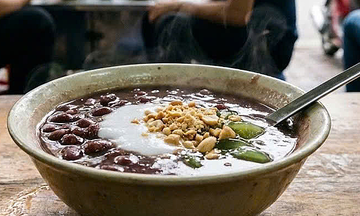
Less common causes of headaches include consuming excessive salt or sugar, and sunstroke. In these cases, lifestyle adjustments, drinking water, or applying cold compresses can help alleviate pain.
Warm compresses and steam baths
Warm compresses and steam baths soothe tense muscles and increase blood flow to the brain. Regularly soaking feet in a hot water bath with some added ginger can also be beneficial. Avoid this method if you have any cuts, sores, or issues with hot or cold sensations.
Applying cold compresses to the head
Applying cold compresses or ice around the head can reduce pain. Cold ice numbs the painful area and reduces inflammation. However, do not apply ice directly to the head, as it can cause frostbite. Instead, use a cold towel or wrap ice in multiple layers of cloth, moving it around the forehead, neck, and painful areas of the head for 5-10 minutes. Do not apply compresses to one spot for too long to prevent damage.
 |
Cold compresses can temporarily relieve headaches. Photo created by AI |
Drinking water
If your headache is due to dehydration or sunstroke, drinking water or electrolytes can replenish fluids, helping your body function normally. It is advisable to drink plain water, fruit juice, prioritize soup during meals, or herbal tea. Avoid alcohol and caffeinated beverages when experiencing a headache, as they can worsen dehydration and headache symptoms.
Loosening hair ties
Headaches can be caused by tying hair too tightly, as the hair tie pulls on the hair, stimulating pain. In this case, loosen your hair tie or opt for simpler hairstyles like braids or a loose ponytail. Gently sweeping your hair back with your hands or performing simple stretching and massage movements can also alleviate migraine pain and reduce tension.
Eyebrow raises
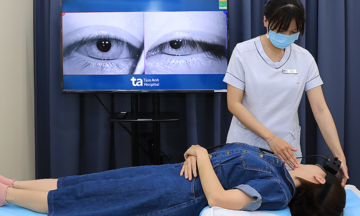
Raise your eyebrows inward for 3-5 seconds, then relax them outward, repeating continuously for 5-10 minutes. Simultaneously, use your fingers to gently massage both temples. This method interrupts the trigeminal nerve, the largest nerve in the skull. It acts as a pathway between the face, brain, and nerve endings located in the eyebrow area, helping to reduce tension headaches.
Stretching
Yoga aids in pain relief by combining movement with controlled breathing. Certain yoga stretches, or sitting with an elongated neck and curling the body, can stretch muscles, promoting comfort and relaxation, thereby reducing headaches.
Other tips for headache sufferers include drinking a cup of ginger tea to provide anti-inflammatory compounds and control nausea. Essential oils such as peppermint, rosemary, lavender, and basil can have a soothing effect when applied topically or inhaled. Resting and getting enough sleep allows the brain to recover.
Anh Chi (According to WebMD)
| Readers can submit questions about neurological conditions here for a doctor's response. |