Dr. Nguyen Anh Duy Tung, a Nutrition and Dietetics Specialist at Tam Anh General Clinic, District 7, states that red beans are a highly nutritious legume, suitable for consumption two to three times per week for adults, especially those at risk of high blood pressure, blood lipid disorders, or cardiovascular disease.
Reduces bad cholesterol
Red beans contain soluble fiber, which binds cholesterol in the intestines and increases its excretion through feces. This action reduces low-density lipoprotein cholesterol (LDL-cholesterol), a major risk factor for atherosclerosis. Regularly eating legumes, including red beans, helps protect blood vessel walls and lowers the risk of coronary artery disease.
Helps stabilize blood pressure
The potassium and magnesium content in red beans helps balance electrolytes, supports vasodilation, and regulates blood pressure. Potassium also mitigates the effects of sodium, benefiting individuals with high-sodium diets or a history of hypertension. Compared to many refined starch sources, red beans provide energy in a more heart-friendly way.
Protects blood vessel walls
Red beans are rich in polyphenols and anthocyanins, antioxidants that help reduce oxidative stress and inflammatory responses in the body. These compounds protect the endothelial lining of blood vessels, slow the formation of atherosclerotic plaques, and lower the risk of long-term cardiovascular events.
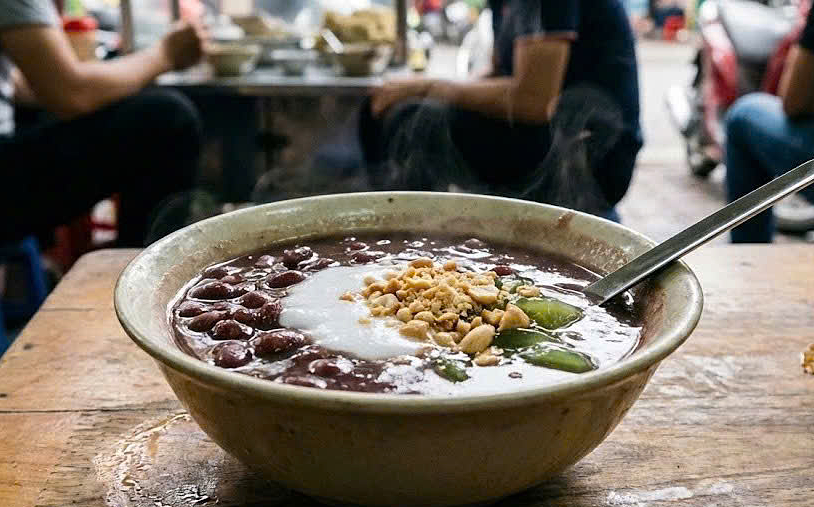 |
Red beans are a nutrient-rich food beneficial for cardiovascular health. Photo: Trong Nghia
Helps control blood sugar
Red beans have a low glycemic index and are rich in fiber and slow-digesting starch, leading to a gradual rise in blood sugar after meals. Effective blood sugar control is important in preventing cardiovascular complications for pre-diabetic and type 2 diabetic patients. Therefore, red beans are suitable for inclusion in a heart-healthy diet.
Aids weight management
Overweight and obesity are major risk factors for cardiovascular disease. Red beans provide plant protein and fiber, promoting satiety and limiting overeating, which aids in weight management. Maintaining a healthy weight reduces the burden on the heart and circulatory system.
Dr. Duy Tung advises prioritizing boiled red beans, low-sugar desserts, or incorporating them into healthy savory dishes. He recommends limiting preparation with excessive sugar, coconut milk, or saturated fats. Individuals with chronic kidney disease should consult a doctor due to the relatively high potassium content in beans. Those with cardiovascular disease, high blood pressure, blood lipid disorders, or a need to adjust their diet should consult a nutrition specialist for personalized dietary advice. Supplementation with natural extracts like GDL-5 from South American sugarcane pollen can support blood lipid regulation, control high blood pressure, and reduce the risk of cardiovascular disease.
Trong Nghia
| Readers can submit nutrition questions here for a doctor's response. |