During holiday periods, eating habits and daily routines often change. Simple practices can help keep your digestive system healthy.
**Eat in moderation, avoid skipping meals**
Meals with many rich, fatty dishes or eating too quickly can lead to bloating, indigestion, and heartburn. Instead of skipping meals before a party to overeat later, maintain regular mealtimes with moderate portions.
Mayo Clinic recommends paying attention to food quantity, eating slowly, and stopping when satisfied rather than forcing yourself to eat until overly full. Prioritize vegetables, fruits, lean protein, and familiar dishes, while enjoying special holiday treats in moderation.
**Increase vegetables and fiber-rich foods**
Changes in routine, prolonged sitting during travel, and reduced vegetable intake can contribute to constipation. Incorporating more vegetables, fruits, beans, and whole grains boosts dietary fiber. However, avoid increasing fiber too rapidly, as this can cause gas and bloating. When consuming more fiber, remember to drink enough water to aid digestion.
**Stay adequately hydrated**
Travel, increased activity, hot weather, or alcohol consumption can easily lead to dehydration. Consistently drinking water throughout the day, rather than waiting until you are thirsty, helps maintain essential body fluids and supports healthy gut function.
Water should be your primary beverage choice during holidays. If you consume alcohol, alternate it with water to limit intake and aid rehydration.
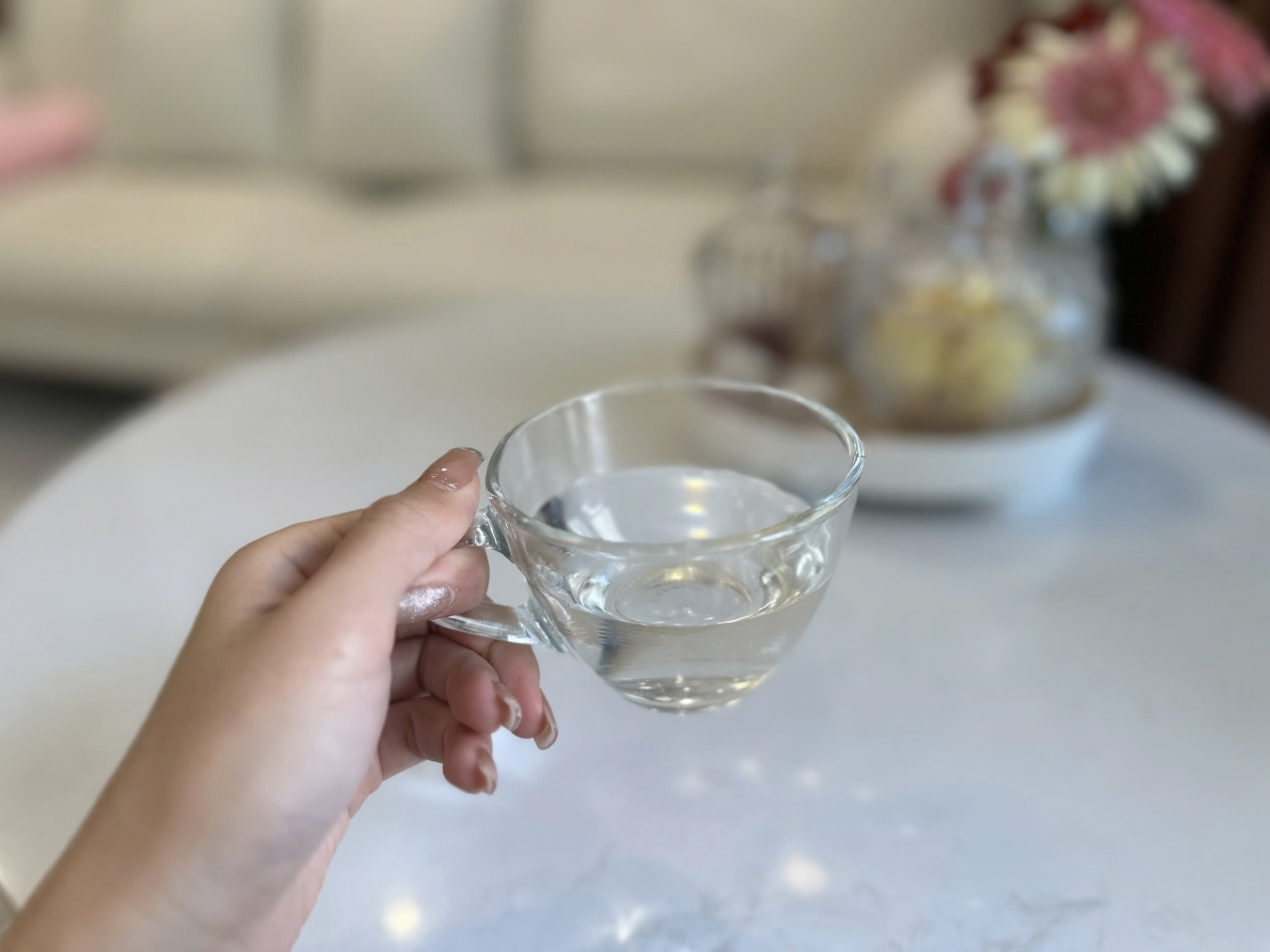 |
Staying adequately hydrated helps maintain essential body fluids and supports healthy gut function. *Ngoc Pham*. |
**Limit alcohol consumption**
Alcohol can trigger digestive symptoms such as bloating, indigestion, or heartburn in some individuals, especially when consumed in large quantities with a big meal. Excessive alcohol intake increases the risk of various digestive problems.
During the holidays, limit alcohol and avoid drinking on an empty stomach. Individuals with existing digestive conditions or those who find certain beverages worsen their symptoms should restrict or avoid them.
**Maintain physical activity**
High-intensity workouts are not necessary during holidays, but avoid prolonged sitting or lying down. Light walks after meals, sightseeing, or maintaining regular physical activity can help keep your body's rhythm from being completely disrupted. Engaging in light exercise or walking during the holidays, rather than ceasing physical activity entirely, can be beneficial.
**Maintain a stable sleep and meal schedule**
Travel, late nights, or inconsistent meal times can affect your circadian rhythm and digestive system. Changes in eating and sleeping schedules while away from home can contribute to diarrhea, constipation, or indigestion. Therefore, even during a holiday, try to maintain relatively consistent sleep, wake, and meal times, especially if you are prone to digestive disorders.
**Prioritize food safety when dining out**
Dining out, buffet meals, or food left at room temperature for extended periods can increase the risk of foodborne illness. The US Department of Agriculture (USDA) advises that perishable food should not be left at room temperature for more than two hours, or one hour if the ambient temperature exceeds 32 degrees C.
When traveling, choose thoroughly cooked food, be mindful of water sources, and wash your hands before eating. For buffet items, limit foods that have been left out for too long and prioritize those kept properly hot or cold.
Bao Bao (compiled)