The patient, an 81-year-old woman, achieved a remarkable recovery after experiencing three strokes. Colonel, Associate Professor, Doctor Nguyen Thanh Ha Tuan, Head of the Traditional Medicine Department at Military Hospital 103, reported on 14/7 that the patient is currently undergoing treatment for electrolyte imbalance before entering an intensive rehabilitation phase to regain normal daily activities. She was admitted to the Stroke Department in May in critical condition, suffering from complete left-sided paralysis, loss of consciousness, and a Glasgow score of just 4-5/15, indicating a deep coma.
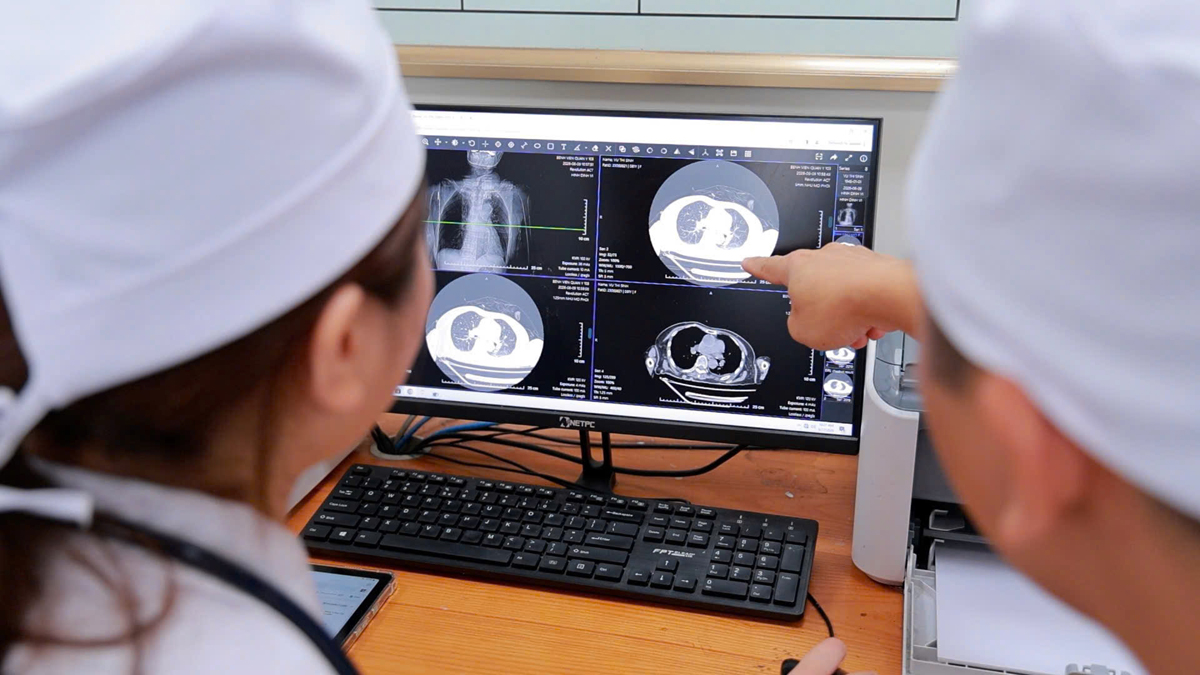 |
X-rays taken before and after treatment in the Traditional Medicine Department show the patient no longer has pleural effusion. Photo: Military Hospital 103
This case presented a significant challenge for doctors due to the woman's complex medical history, which included three prior brain strokes, atrial fibrillation causing an irregular heartbeat, nearly complete right carotid artery occlusion, hypertension, pneumonia, and severe physical exhaustion.
After one month of treatment in the Stroke Department without improvement in motor function, the patient was transferred to the Traditional Medicine Department. There, doctors adopted the "doi phap lap phuong" strategy, a flexible Eastern medicine prescription method designed to address multiple conditions simultaneously with one formulation, rather than using existing traditional remedies.
The medical team maintained modern medicine treatments, including antihypertensive drugs and anticoagulants, to prevent blood clots. Concurrently, they replaced antibiotics with Eastern medicine to treat pneumonia and pleural effusion.
In parallel, doctors combined acupuncture, massage, acupressure, and hydro-acupuncture to stimulate blood circulation, nourish muscle mass, and improve nerve conduction. A personalized Eastern medicine prescription for the woman focused on three goals: boosting immunity, invigorating blood to reduce cerebral circulatory stagnation, and stabilizing heart rate.
The combined approach yielded results beyond expectation. After only 7 days of intensive treatment, the woman, who had been bedridden and disoriented, could speak clearly, answer questions, and stand up to practice walking with family support.
According to Associate Professor Tuan, for emaciated patients with multiple underlying conditions, the risk of death from complications like pneumonia and thrombosis is very high. Combining Eastern and Western medicine helps improve overall health, treating symptoms and restoring core functions for patients.
Based on this rare recovery, experts recommend that families with a history of stroke in their relatives should combine Western medicine prevention protocols with Eastern medicine therapies early. This combination not only accelerates motor recovery but also ensures high safety, helping patients reintegrate into life sooner.
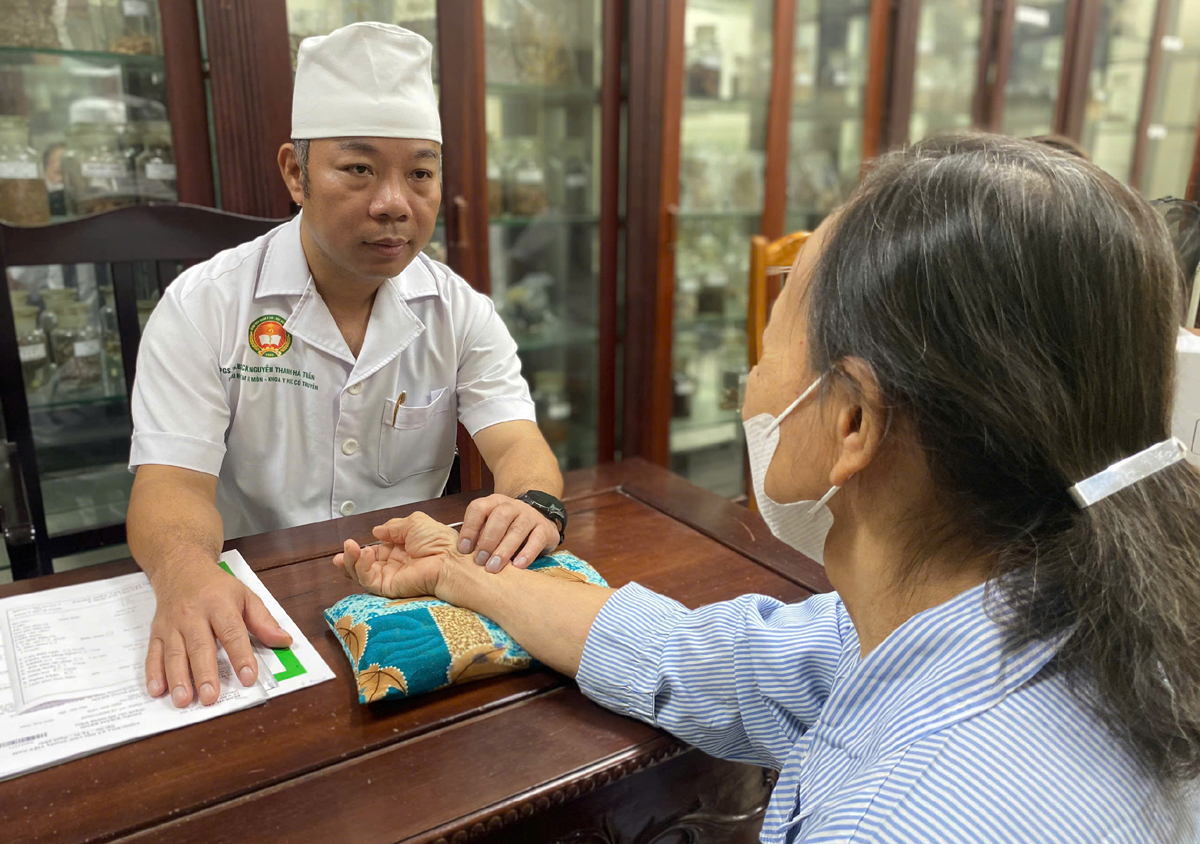 |
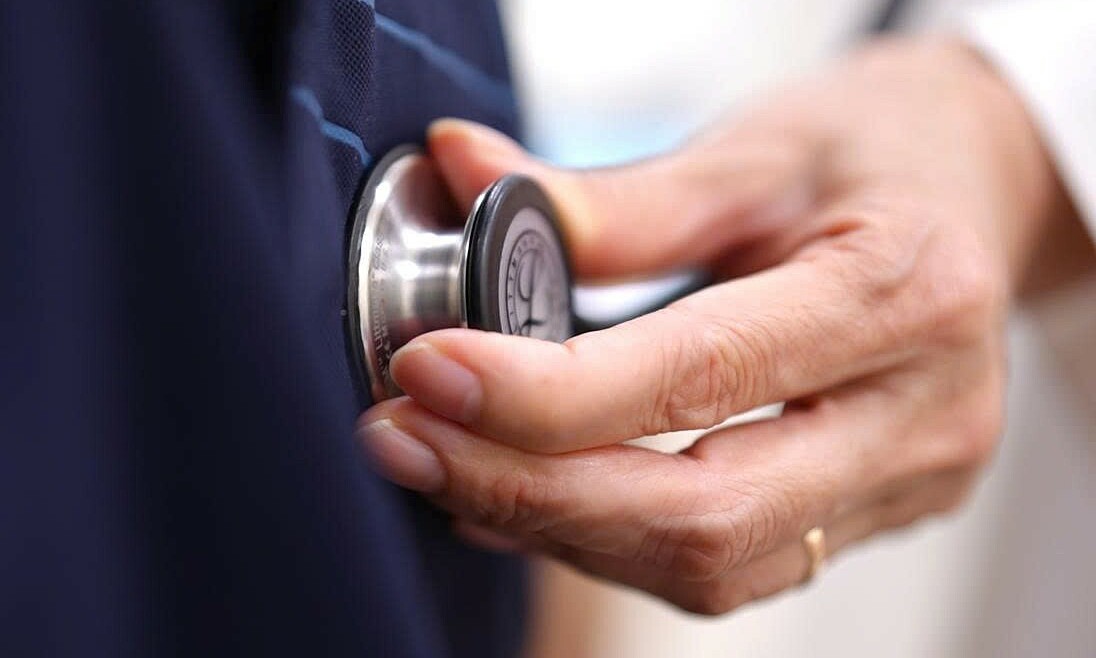
Colonel, Associate Professor, Doctor Nguyen Thanh Ha Tuan, Head of the Traditional Medicine Department at Military Hospital 103, taking a patient's pulse on the morning of 7/7. Photo: Binh Minh
Binh Minh