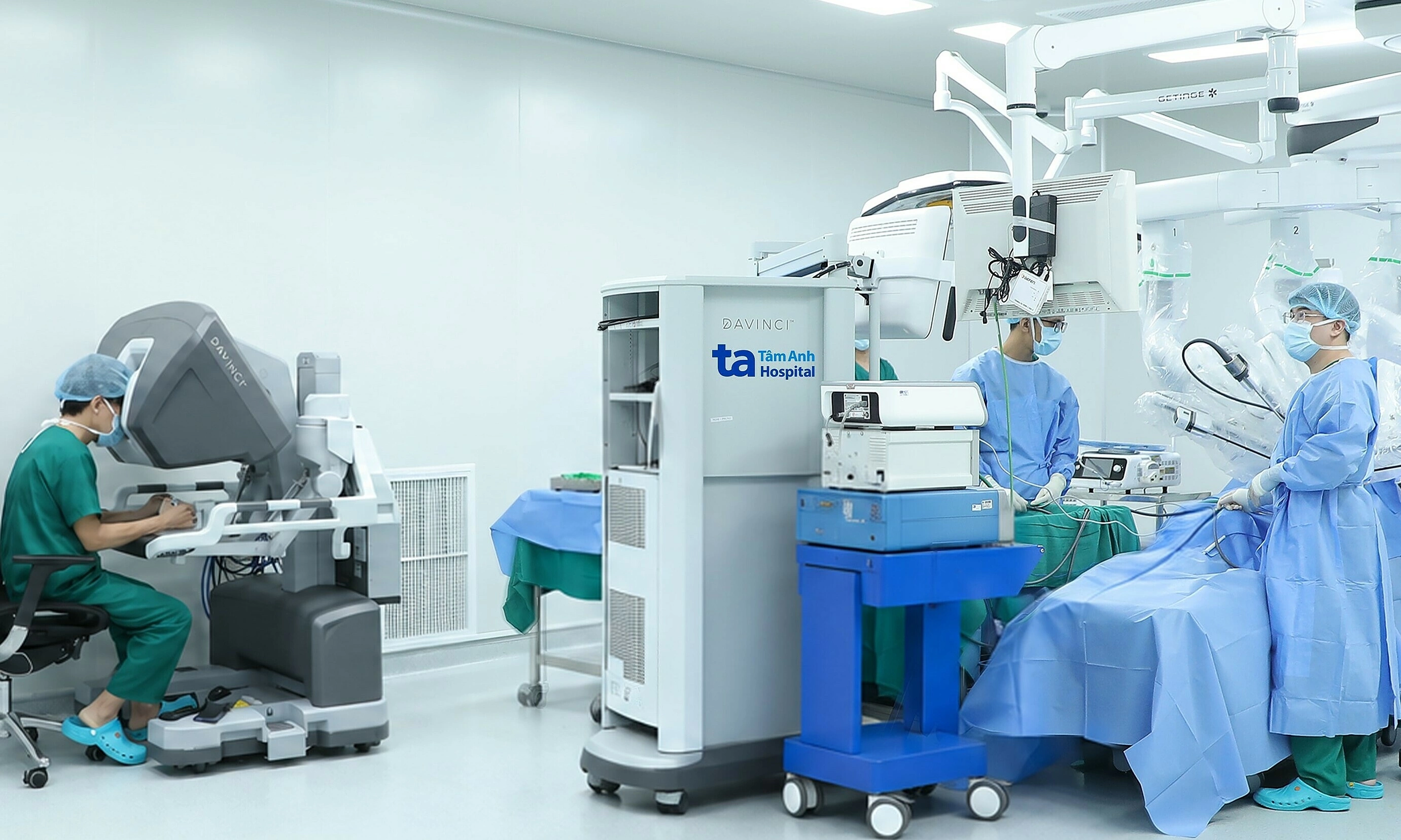
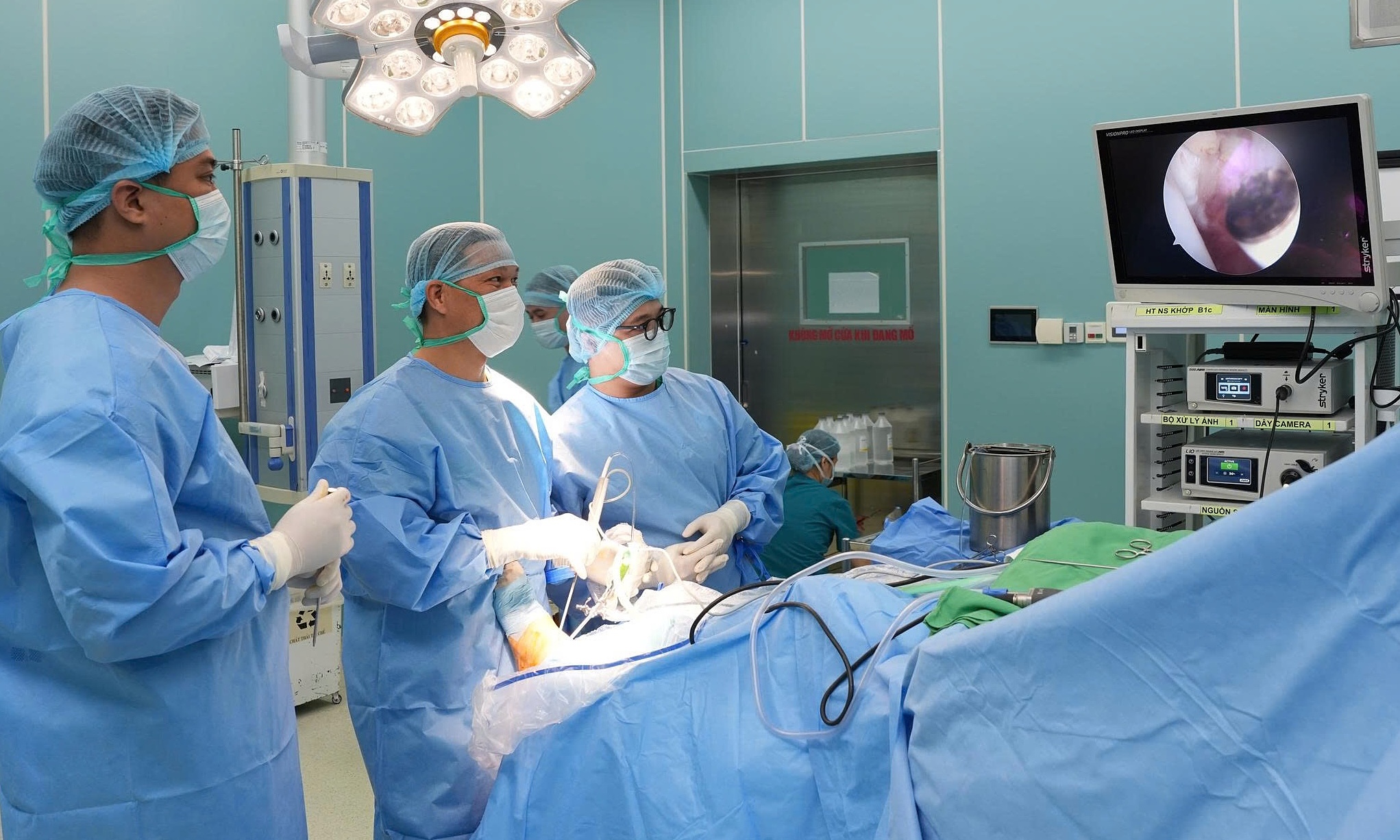
Dr. Pham Thi Phuong, a specialist from the Ear, Nose, and Throat Center at Tam Anh General Hospital TP HCM, performed a throat endoscopy on Trung. She observed chronic tonsillitis and suspected his symptoms could stem from an anatomical abnormality in the throat. A subsequent CT scan of the neck confirmed abnormally elongated bilateral styloid processes: 4,4 cm on the right and 4,2 cm on the left. No tumorous lesions were identified in the nasopharynx.
The styloid process is a slender, pointed bone typically 2-3 cm long in adults. Situated beneath the temporal bone, it serves as an attachment point for various muscles and ligaments in the head and neck, contributing to chewing, swallowing, and neck movements.
According to Dr. Phuong, an elongated styloid process can result from ossification of the stylohyoid ligament – an abnormal process where cartilage develops into bone – or age-related degeneration. When the styloid process is abnormally long, it can irritate or compress soft tissues, nerves, and blood vessels in the pharyngeal region, causing a sensation of obstruction or throat pain, especially during swallowing.
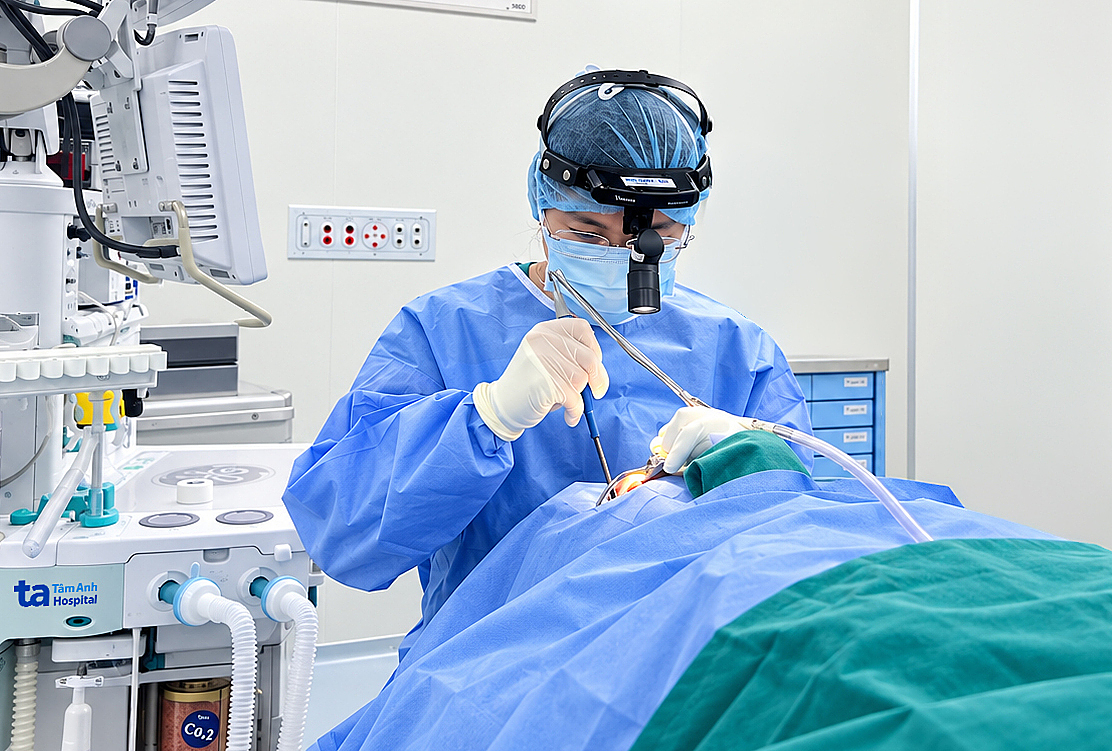 |
Dr. Phuong performing surgery on Trung. *Photo: Tam Anh General Hospital*
Trung underwent a styloidectomy, performed through an oral approach. Dr. Phuong first performed a tonsillectomy, then carefully dissected the soft tissue around the styloid process using specialized instruments. She resected 1,5 cm from the right styloid process and 1,2 cm from the left.
Post-surgery, Trung experienced a significant improvement in his throat discomfort, no longer feeling a foreign body sensation. He was discharged after one day. During his follow-up, the surgical wound had healed well, and his throat obstruction was resolved.
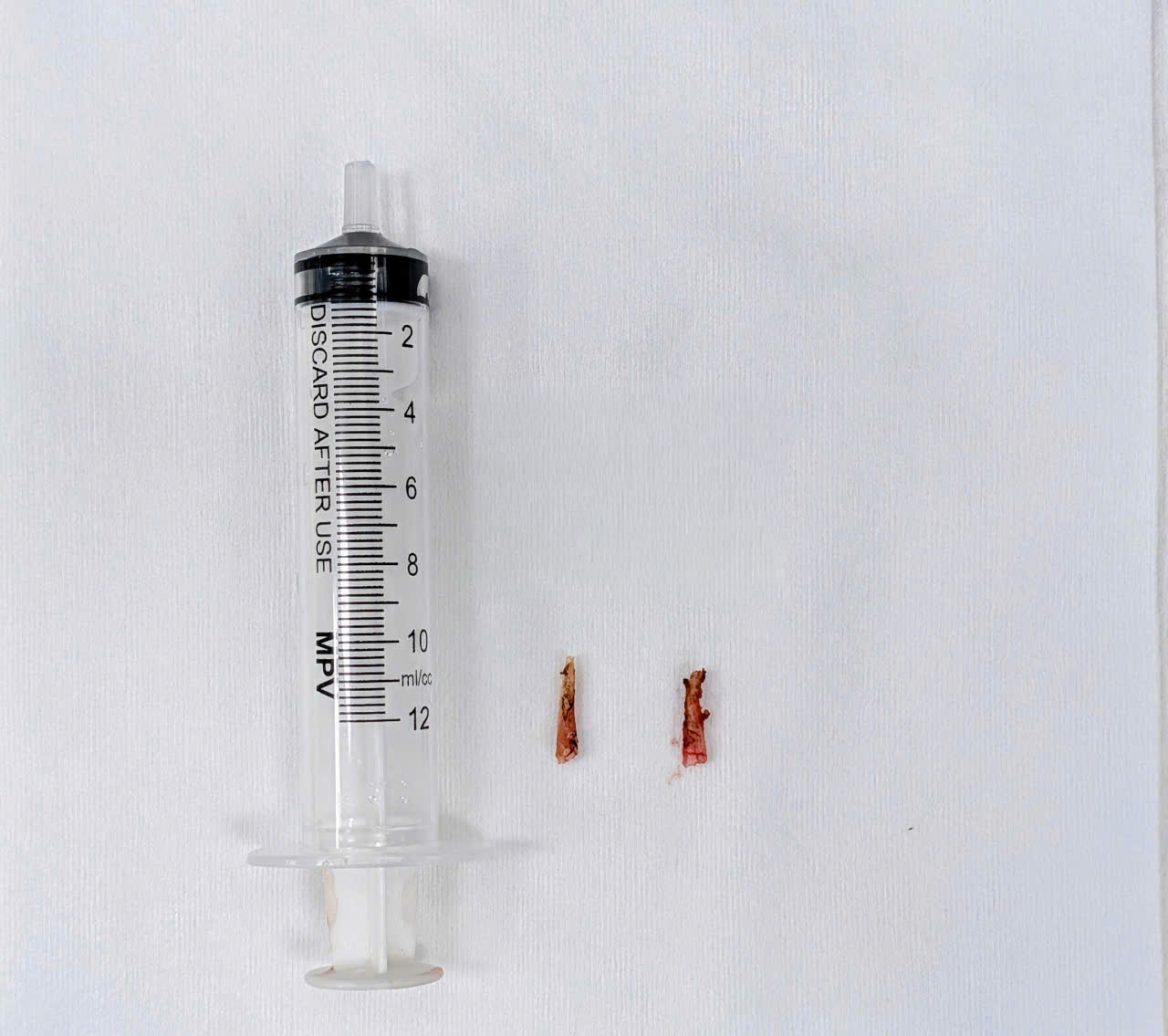 |
The abnormally long bones from the right and left sides after surgical removal. *Photo: Hospital provided*
Dr. Phuong noted that shortening the styloid process is performed entirely through the oral cavity, leaving no external scars. The anatomical region surrounding the styloid process is complex, involving cranial nerves 7, 9, 10, 11, 12 and the carotid neurovascular bundle. Therefore, the surgical team must meticulously dissect to avoid damaging these important structures during the procedure.
Throat obstruction commonly stems from chronic pharyngitis, tonsillitis, or rhinosinusitis, which can cause postnasal drip, leading to a sensation of something stuck in the throat. Gastroesophageal reflux disease is another frequent cause. Pharyngeal sensory disturbances can also be linked to psychological factors, such as stress or anxiety. Less common causes include structural abnormalities like an elongated styloid process, or benign or malignant tumors in the head and neck region.
Dr. Phuong advises that if throat obstruction persists for 3-4 weeks without improvement despite treatment, or if it is unilateral and accompanied by pain radiating to the ear, same-side jaw angle, difficulty swallowing, or hoarseness, patients should seek a specialized ear, nose, and throat examination.
By Uyen Trinh
*Patient's name has been changed
| Readers can ask questions about ear, nose, and throat conditions here for doctors to answer. |