The liver plays a vital role in detoxification, metabolism, and nutrient storage. This organ is directly affected by daily habits. Certain evening routines can negatively impact the liver, diminishing its function.
Alcohol consumption
Alcoholic beverages contain alcohol and harmful substances that are detrimental to the liver. Many people have a habit of enjoying a small glass of alcohol before bed to relax. However, this forces the liver to work hard to process harmful substances and eliminate them, precisely when the body needs rest to prepare for sleep. Regularly drinking alcohol at night can contribute to conditions such as fatty liver and impaired liver function.
If you choose to drink alcohol, it is advisable to have a small glass during the day instead of in the evening. It is also recommended to eat a full meal before drinking to reduce the adverse effects of alcohol on the liver.
Consuming high-fat meals
According to Health, hearty evening meals rich in fats make digestion difficult, adding pressure on the liver. Additionally, hard-to-digest fats can lead to bloating and digestive issues, which diminish sleep quality.
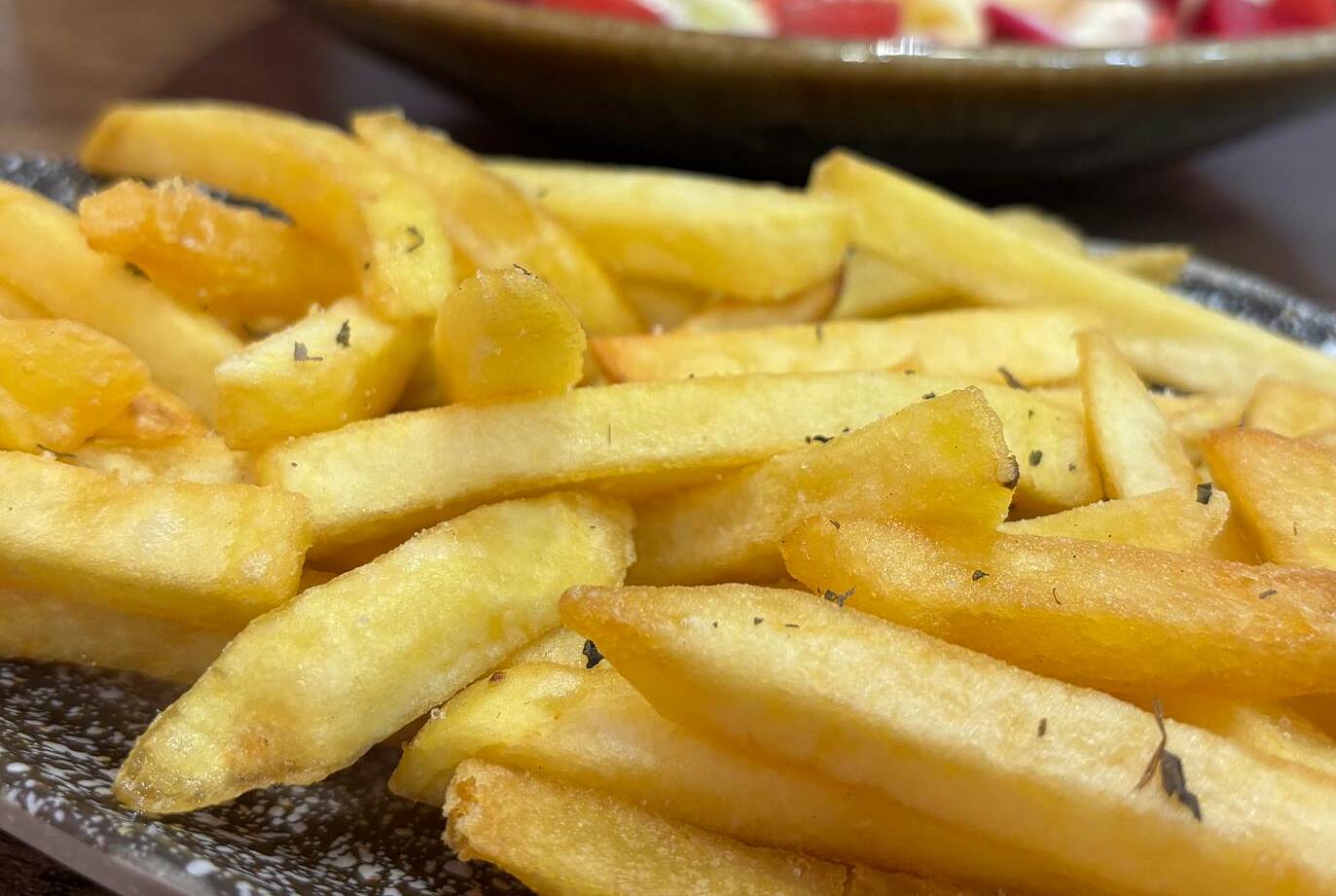 |
Eating oily fried foods in the evening is not good for the liver. Photo: Anh Chi |
Nighttime is when the body rests, and its metabolic rate slows down. When the liver has to process a large amount of fat in the evening, metabolism slows, increasing the risk of fat accumulation in the liver. Consuming excessive oily foods at night also raises cholesterol levels and causes blood sugar to spike, harming the liver.
Staying up late and eating late
The liver possesses regenerative capabilities but requires sufficient time to recover, especially at night. The habit of frequently eating late at night disrupts the liver's circadian rhythm, or its rest cycle.
According to Eating Well, one of the liver's primary metabolic roles is regulating blood sugar by storing, releasing, or producing glucose as needed. At night, the body becomes less sensitive to the hormone insulin, which regulates blood sugar.
Late-night eating can lead to increased blood sugar because the liver processes glucose less efficiently. Regularly eating late can contribute to impaired blood sugar regulation and metabolic disorders, thereby increasing the risk of fat accumulation, leading to non-alcoholic fatty liver.
Staying up late deprives the liver of rest and recovery time. The liver's metabolic processes are interrupted, leading to inflammation and fat accumulation, and a higher risk of liver dysfunction.
To enhance liver health, individuals should prioritize eating dinner two to three hours before bedtime. Limit heavy evening meals, opting for green vegetables and lean protein instead of oily fried foods. Walking after meals and relaxing with yoga exercises can help burn calories and reduce the risk of fatty liver.
Anh Chi (Synthesis)