A 47-year-old woman, Thuy, sought advice from AI (artificial intelligence) for her bone and joint pain. Following the AI's suggestions, she purchased and took several medications for 21 days. Her symptoms worsened, developing loss of appetite, fatigue, itchy rashes, and yellow eyes, which led her to the emergency department at Tam Anh General Hospital, TP HCM. Tests revealed her liver enzymes (ALT) were over 1,250 U/L, 25-30 times the normal level. Elevated bilirubin levels also indicated severe liver damage.
Doctor Duong Pham Van Thanh of the Emergency Department suspected acute liver damage caused by drug toxicity. The specific medications were unclear, but he suggested they might include non-steroidal anti-inflammatory drugs (NSAIDs) and multi-ingredient herbal remedies. Drug-induced acute liver damage occurs when the liver is harmed by toxic substances from medications, dietary supplements, or herbal products. This condition can rapidly lead to acute liver failure, blood clotting disorders, or hepatorenal syndrome.
 |
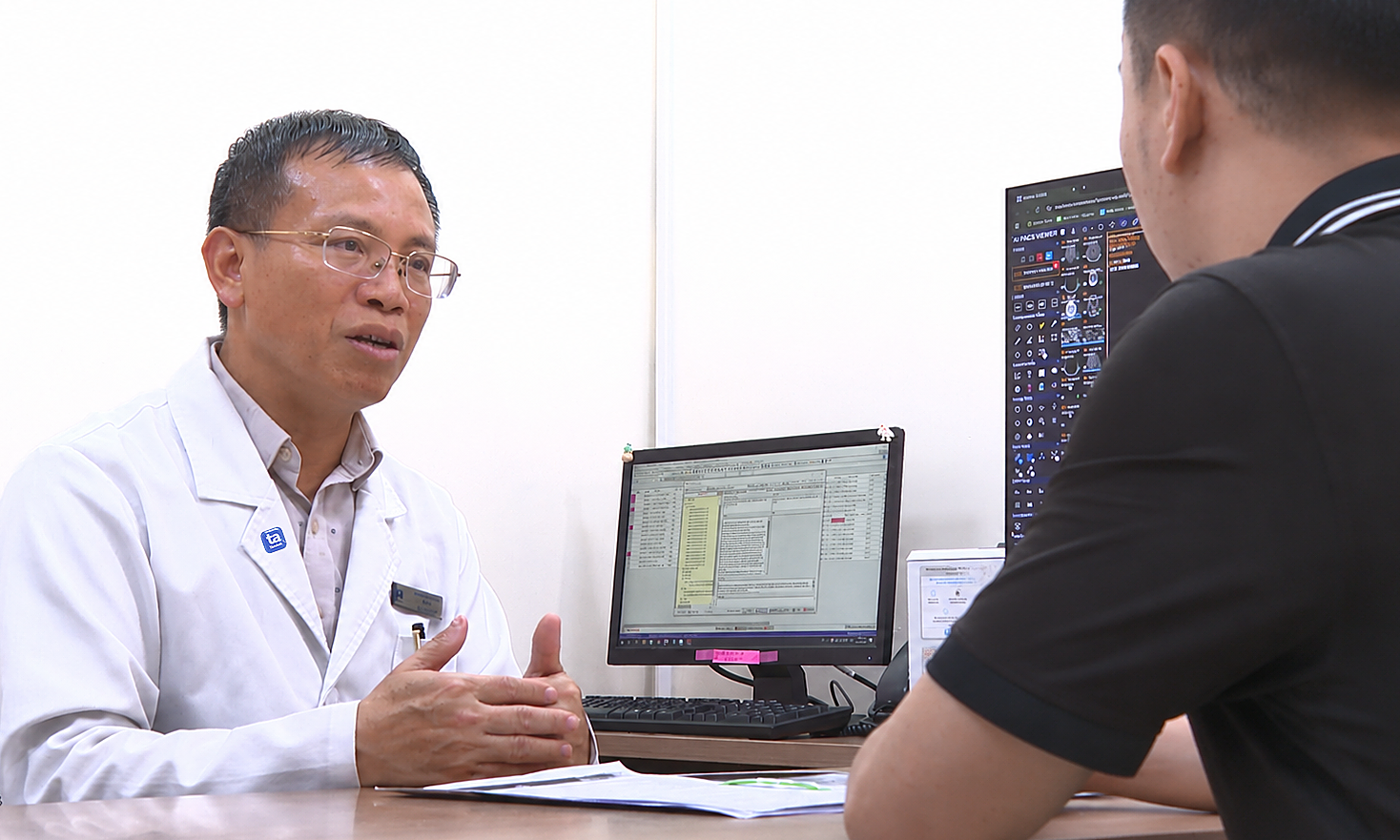
Doctor Thanh consults with Thuy during a follow-up visit. *Photo: Tam Anh General Hospital*
Doctor Hoang Dinh Thanh, from the Department of Gastroenterology at the Endoscopy and Endoscopic Surgery Center for Digestive Diseases, prescribed intensive treatment. This included intravenous fluids, electrolyte balance, liver function support medications, and general physical support. After 7 days of treatment, Thuy's condition improved. Her liver enzyme levels gradually decreased, and liver function showed positive recovery.
The liver is vital for metabolizing and eliminating most pharmaceuticals from the body. Many medications undergo hepatic metabolism before excretion. Prolonged use, combining multiple drugs, or consuming products with unknown ingredients can increase the risk of liver toxicity.
Common signs of drug-induced hepatitis include fatigue, loss of appetite, nausea, jaundice, yellow eyes, and dark urine. Some patients may also experience hypersensitivity reactions like rashes, skin eruptions, or generalized itching. However, other individuals might not show clinical symptoms, with abnormalities only detected through blood tests showing elevated liver enzymes.
Doctor Thanh advised patients against using incorrect medications or improper dosages. Unmetabolized toxins can accumulate, causing liver cell damage, which can lead to drug-induced hepatitis or liver failure. He emphasized that AI is merely a reference tool and cannot replace a doctor for diagnosis, evaluation, or prescribing appropriate individual treatment.
Individuals on long-term medications for conditions such as blood lipids, diabetes, tuberculosis, or other chronic diseases should adhere to treatment guidelines and undergo regular liver function tests to detect complications early.
Quyen Phan - Hong Tham
| Readers can submit questions about liver disease here for doctors to answer. |