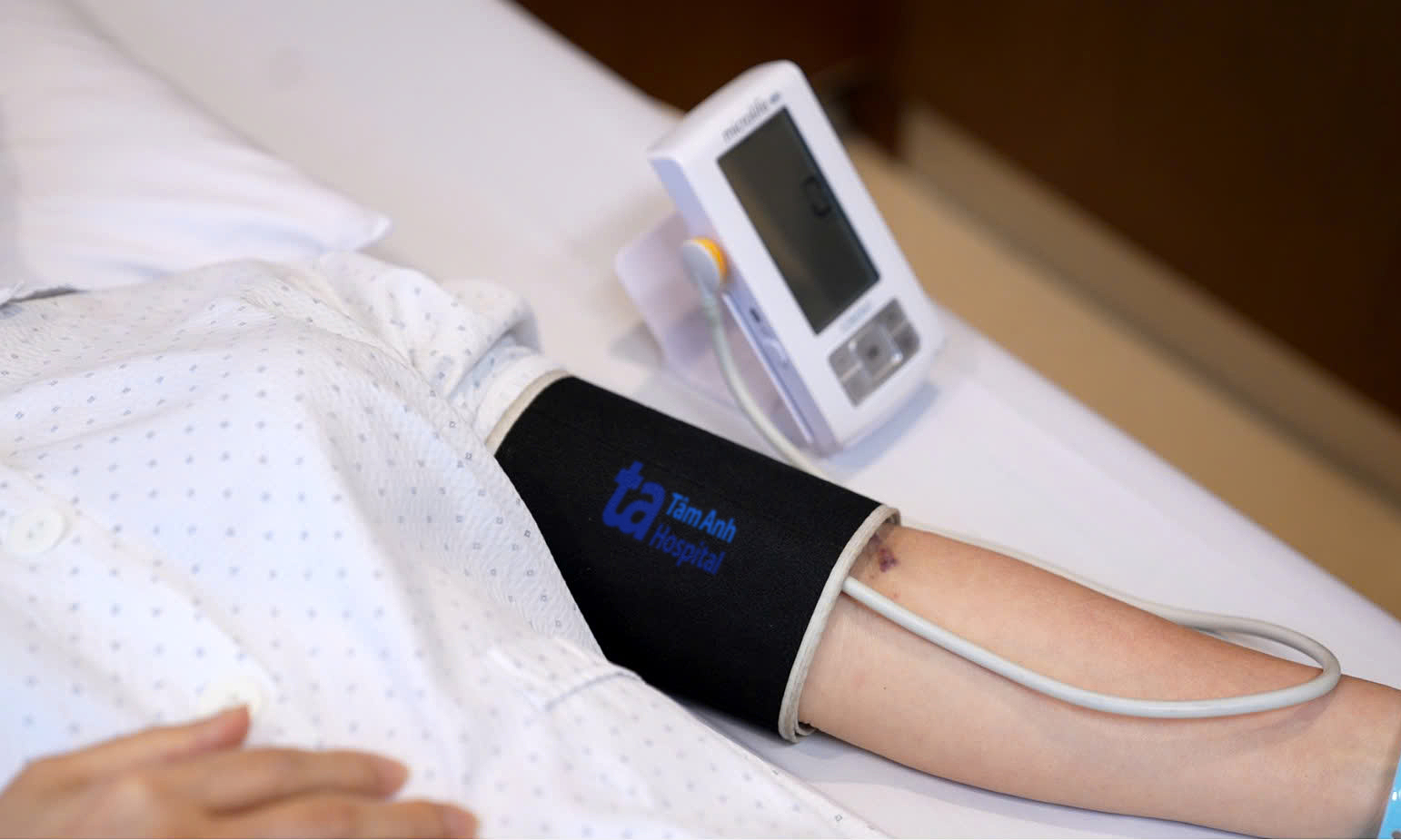
Ms. Thanh fractured her left shin 6 months ago, undergoing surgery to fix the bone with a long plate and screws. During her recovery, knee osteoarthritis worsened, causing significant pain. X-ray results at Tam Anh General Hospital TP HCM revealed Ms. Thanh's knee had numerous bone spurs, limb malalignment, and no remaining cartilage. The bone ends directly impacted each other, and bone spurs impinged on healthy structures, necessitating joint replacement surgery.
Dr. Le Dinh Khoa, Head of the Joint Reconstruction Department, assessed Ms. Thanh's condition as unsuitable for traditional knee replacement. This method typically requires doctors to insert a guide rod into the femoral medullary canal for intramedullary alignment, to determine the bone cutting angle, restore the limb's mechanical axis, and ensure soft tissue balance. Performing this would require removing the old plate and screws, risking medullary canal damage or bleeding. Ms. Thanh's fractured bone still needed about 6 more months to heal completely; early removal of the plate would significantly increase the risk of re-fracture. However, waiting longer meant the patient would continue to suffer pain and limited mobility.
Following a consultation, doctors decided to perform knee replacement surgery with the assistance of the Cuvis-Joint robot, which integrates artificial intelligence (AI). This robot automatically determines the limb axis, bone cutting position, and optimal joint placement. It eliminates the need to remove the old plate and screws or insert a guide rod into the medullary canal for alignment, unlike traditional surgery. The robot uses AI to accurately analyze bone morphology and knee joint anatomical parameters based on the patient's 3D CT images, creating a personalized surgical plan before the operation.
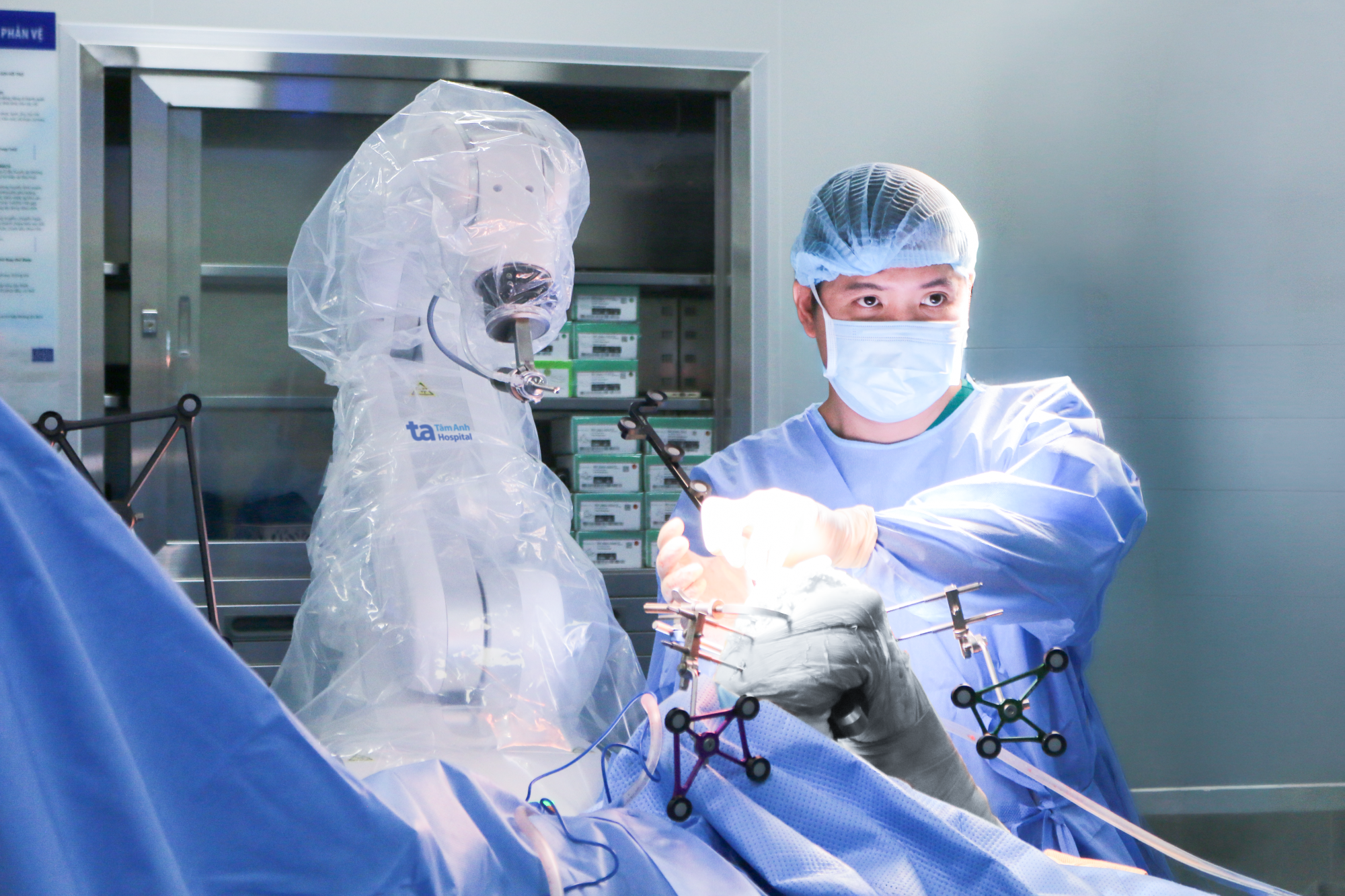 |
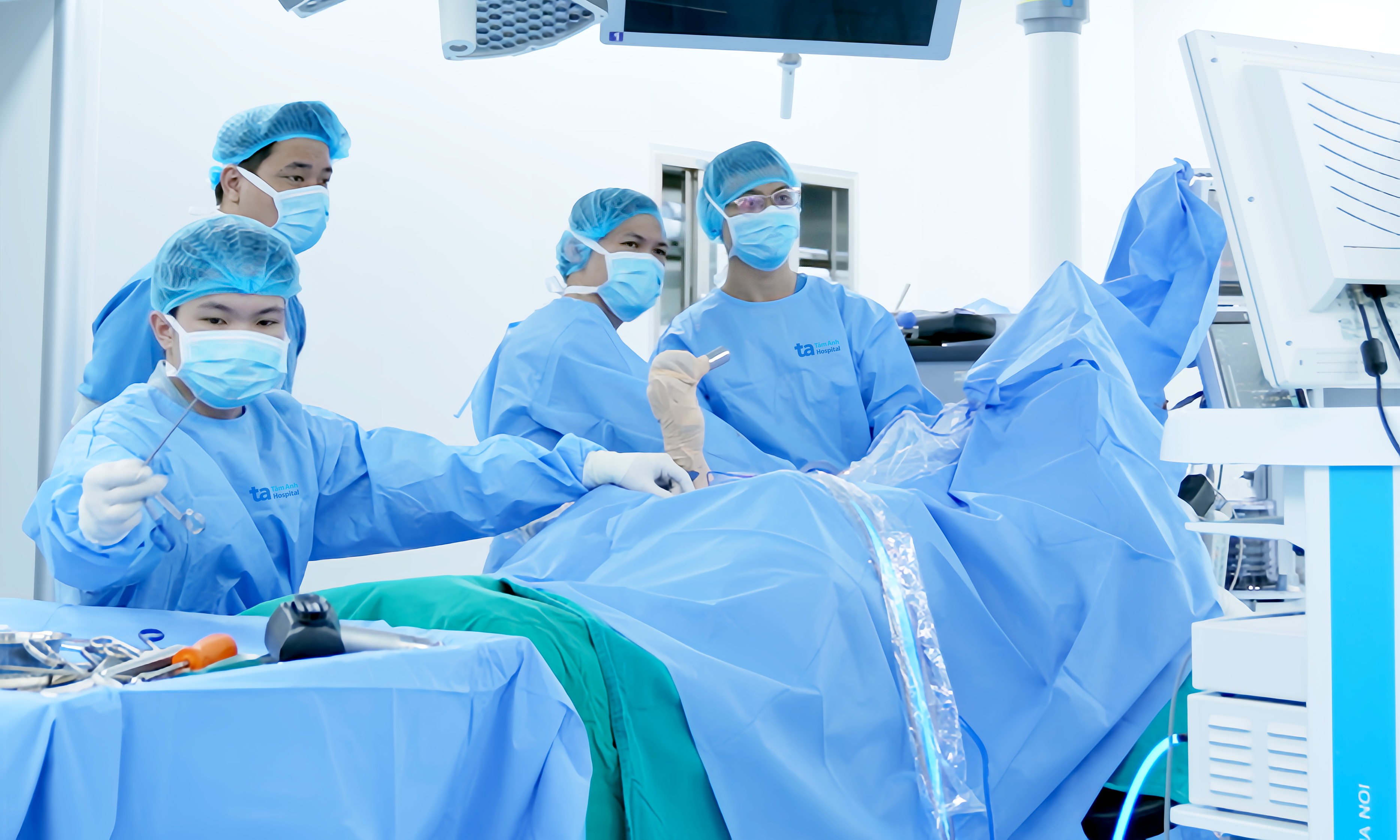
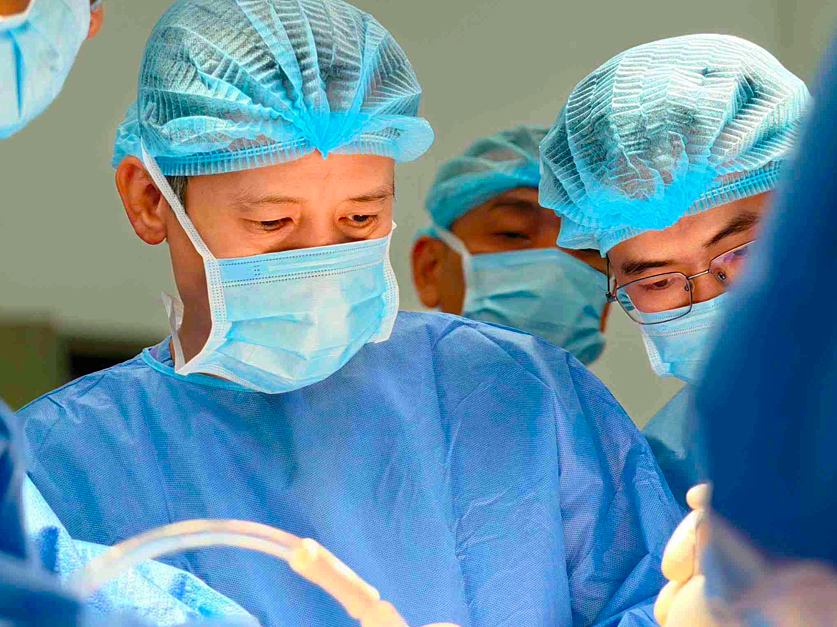
Doctor Khoa performs knee replacement surgery for Ms. Thanh with the assistance of the Cuvis-Joint robot. Photo: Tam Anh General Hospital |
The robot performs bone cuts with millimeter precision, while the surgical team focuses on addressing the damaged cartilage from degeneration, placing the artificial joint correctly, optimally adjusting soft tissues and leg alignment, and minimizing unnecessary soft tissue damage. Patients experience less pain, less blood loss, and faster recovery.
On the second day after surgery, Ms. Thanh could walk independently without assistive devices. At her follow-up appointment two weeks later, she walked comfortably and moved her knee naturally.
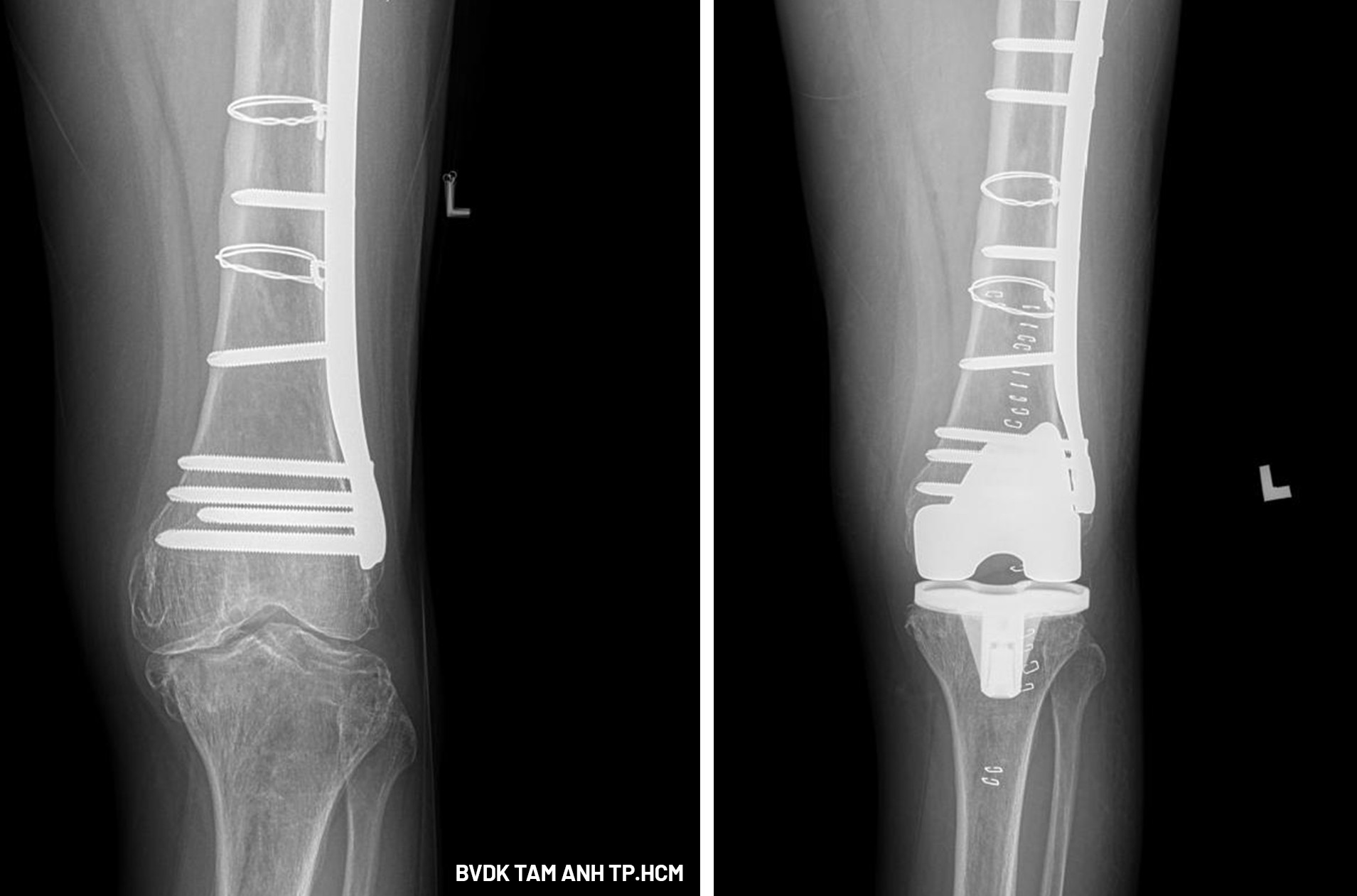 |
X-ray images of Ms. Thanh's knee before (left) and after surgery. Photo: Tam Anh General Hospital |
Dr. Khoa stated that robot-assisted knee replacement currently boasts a high success rate, supported by modern equipment such as multi-slice CT, 3 Tesla MRI, and hybrid operating rooms. Patients can walk and be discharged after 1-2 days, minimizing the risk of postoperative complications and extending the lifespan of artificial joints to over 20 years.
Patients experiencing joint pain and stiffness, difficulty walking, or those for whom joint replacement has been indicated, should seek surgical treatment early. This will help restore mobility, alleviate pain, and improve their quality of life.
By Phi Hong
*Patient's name has been changed