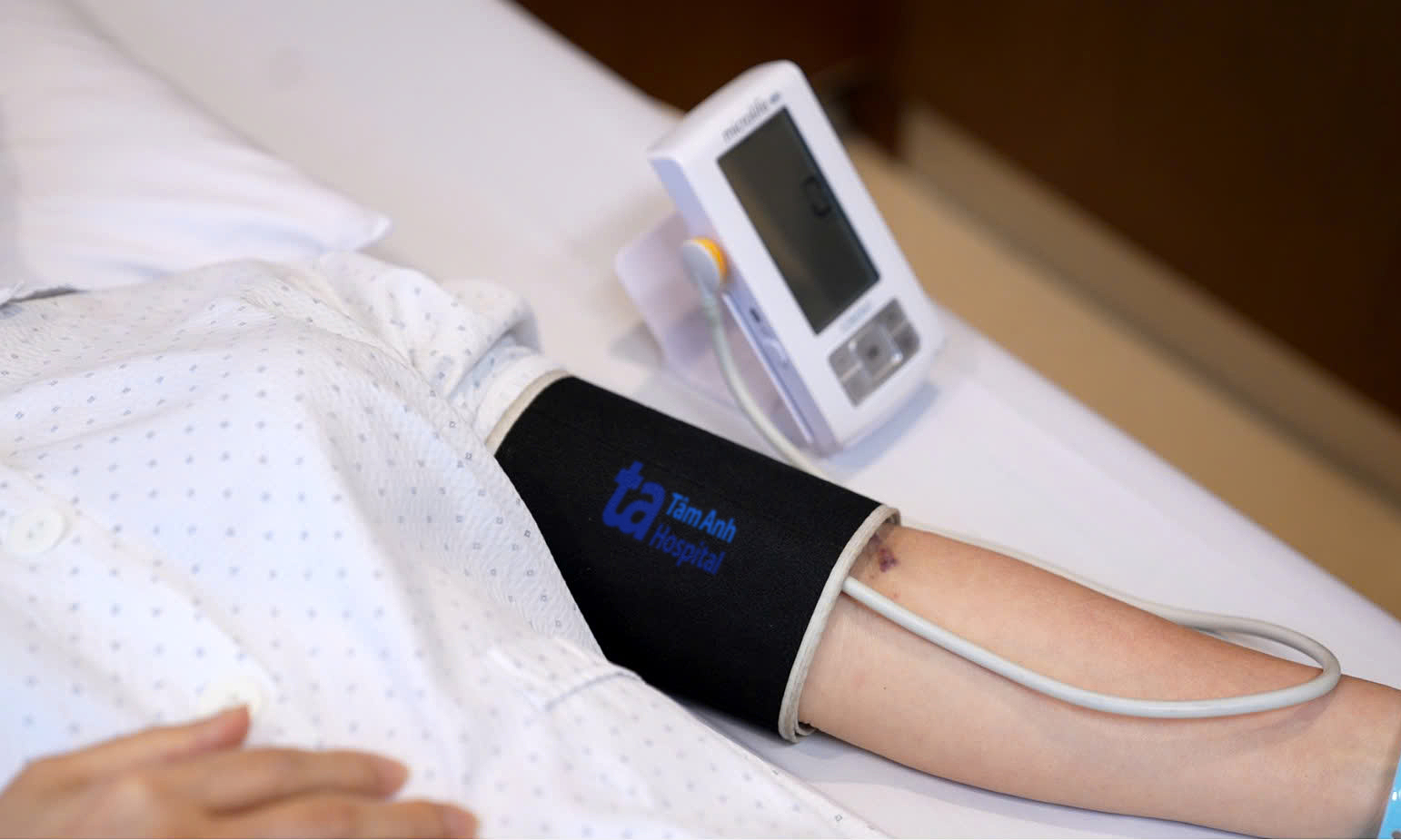
The shoulder is the body's most mobile joint, making it also the most susceptible to dislocation. Shoulder dislocation occurs when the head of the humerus (upper arm bone) moves out of its normal position within the shoulder socket. This often results from severe trauma, such as falls, traffic accidents, or impacts during sports.
Patients typically experience intense pain, shoulder deformity, and an inability to move the arm, often holding it close to the body to alleviate discomfort. In some cases, nerve compression can cause numbness in the arm.
Master, Doctor Vu Trung Hieu, from the Orthopedic Trauma Department at Tam Anh General Hospital Hanoi, stated that most first-time shoulder dislocations can be treated non-surgically if there are no accompanying fractures or severe damage. However, if the shoulder joint remains unstable or if injuries increase the risk of recurrent dislocation, doctors may consider surgery.
Recurrent shoulder dislocations are a significant concern. After each dislocation, the structures that stabilize the joint, such as the ligaments and the labrum (cartilage rim around the socket), can become more stretched or torn. The shoulder joint becomes increasingly loose, to the point where it might dislocate simply by reaching for an object, putting on a shirt, or turning over in sleep. Prolonged instability increases the risk of bone damage and future shoulder arthritis.
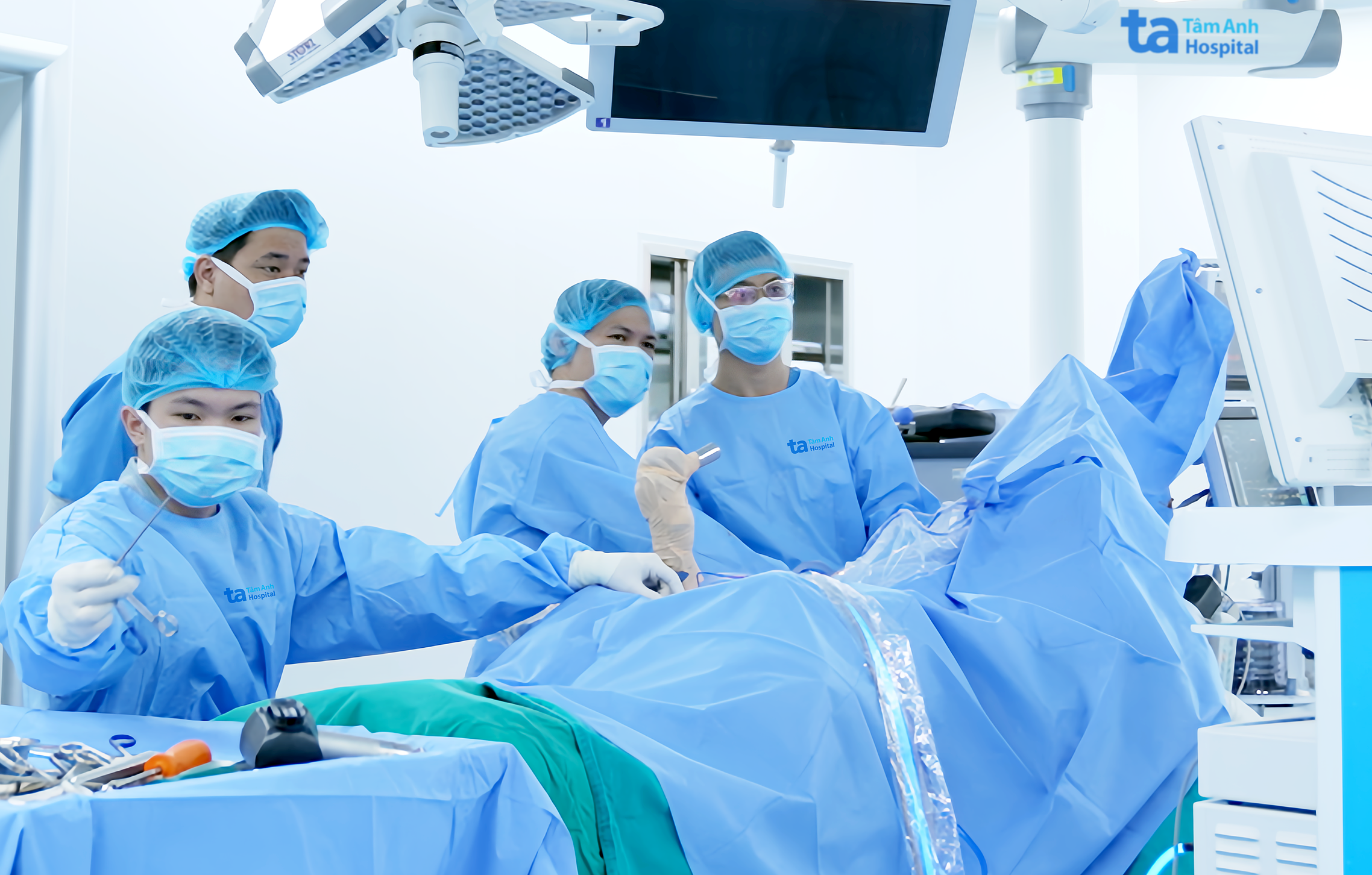 |
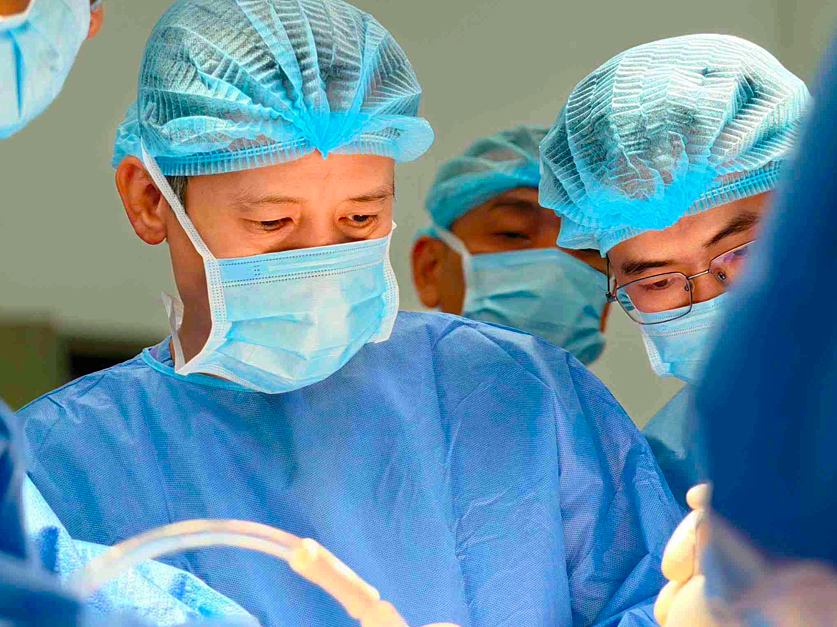
Doctor Hieu (right) and his team perform shoulder surgery for a patient. Photo: Tam Anh General Hospital |
Damage to ligaments, cartilage, or bone can also necessitate surgery. If the labrum is torn, if the humeral head is indented after an impact, or if there is bone loss in the socket, the shoulder joint struggles to maintain stability and is prone to redislocation. Depending on the case, a doctor may recommend arthroscopic surgery to repair torn structures or perform bone reconstruction techniques if the damage is extensive.
People who frequently engage in strenuous activities or sports face a higher risk of recurrent shoulder dislocations after an initial incident, particularly young individuals. If the risk of recurrence is high, doctors may consider early surgery to reduce the likelihood of multiple dislocations and protect the shoulder joint in the long term.
When conservative treatment proves ineffective, surgery may be considered. Some individuals, despite not experiencing frequent dislocations, consistently feel their shoulder is loose and unstable. They may avoid raising their arm high or participating in sports due to fear of redislocation. If these symptoms persist despite proper treatment and rehabilitation, surgery can improve function and quality of life.
Older adults are also a demographic where surgery might be crucial. Middle-aged and older individuals, after a first-time shoulder dislocation, not only face a risk of recurrence but also a potential rotator cuff tear—a group of tendons essential for lifting and rotating the arm.
If a patient continues to experience significant pain, cannot lift their arm, or shows no improvement in muscle strength after a few weeks following reduction, a doctor may order an MRI to examine the rotator cuff. In cases of large tendon tears, patients may require surgical repair to regain shoulder function.
Most shoulder dislocations are surgically treated using arthroscopic methods. After surgery, patients typically wear an arm sling for about 3-6 weeks, depending on the extent of the injury and the surgical technique used.
Individuals who have previously dislocated a shoulder should seek medical evaluation if they experience any of the following signs: multiple shoulder dislocations, persistent pain, a feeling of shoulder looseness, arm weakness, limited mobility, or an inability to return to normal work and daily activities.
Hieu Nguyen
| Readers can submit questions about musculoskeletal conditions here for doctor consultation. |