Parkinson's is a progressive neurodegenerative disease, often characterized by tremors, muscle rigidity, slow movement, and impaired balance. The disease can also affect many non-motor functions, including vision.
Dry eyes, blurred vision
Individuals with Parkinson's may blink less frequently, preventing tears from spreading evenly across the corneal surface and increasing the risk of dry eyes. This condition can cause a gritty sensation, burning, redness, light sensitivity, or blurred vision.
Some medications for Parkinson's can also contribute to or worsen blurred vision, so patients should inform their doctor if they experience changes in vision.
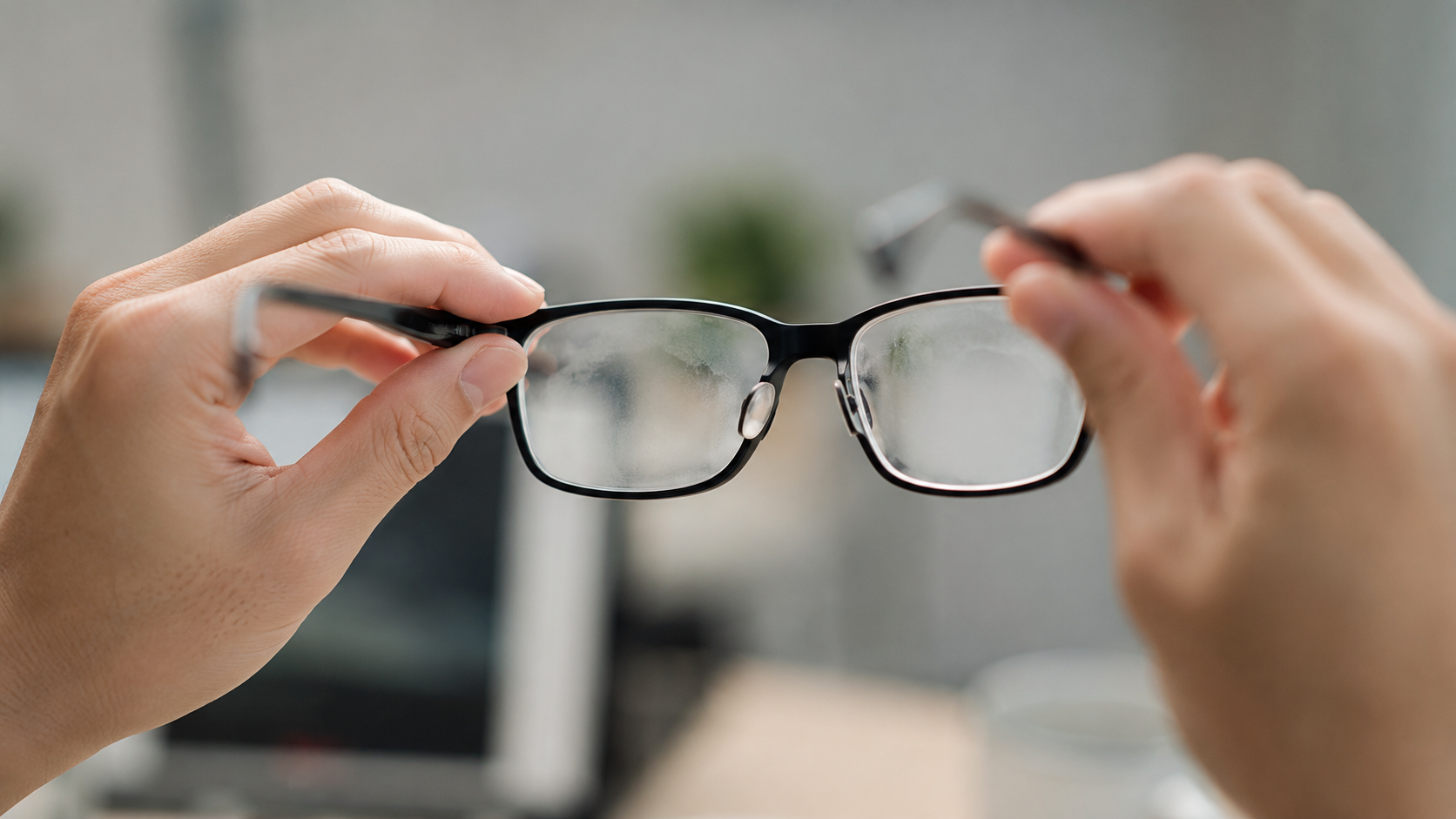 |
Blurred vision can be caused by various factors. *Illustration: AI*
Double vision
Some patients may see one object as two. Parkinson's-related causes typically involve difficulty coordinating the eye muscles, preventing both eyes from accurately focusing on the same point.
Double vision can be particularly noticeable when looking at close objects. However, this symptom also has many other causes, such as refractive errors, dry eyes, or cataracts. Therefore, patients should not assume that double vision is due to Parkinson's.
Difficulty reading despite clear vision
Reading requires the eyes to make continuous rapid movements to shift from one word to the next. Parkinson's disease can make these eye movements slow or less precise, causing patients to struggle with tracking lines, skipping words, or experiencing rapid eye fatigue. Dry eyes and double vision can also make reading more challenging.
Difficulty seeing objects at close range
When looking at a near object, both eyes need to turn inward to focus on it, a process called convergence. The eyes of Parkinson's patients may struggle to coordinate when looking at close objects, indicating convergence insufficiency. This is a common oculomotor abnormality observed in Parkinson's. Doctors may prescribe prism glasses to help both eyes align better, thereby reducing the perception of one object as two images.
Difficulty perceiving depth and distance
Some patients find it difficult to assess the position and distance of objects in space. Double vision or changes in the visual system can reduce depth perception, leading to difficulties when navigating hallways, doorways, or narrow spaces.
Difficulty seeing in low light conditions
This symptom may appear when driving at night or reading in dimly lit restaurants. Patients may find it harder than usual to distinguish contrast and perceive colors. These changes are sometimes not detected during routine vision examinations.
Difficulty opening eyes or abnormal blinking
In addition to reduced blinking causing dry eyes, some patients may find it difficult to open their eyes, feeling that their eyes are closed but unable to open them voluntarily. Other cases may involve abnormal blinking. These manifestations are related to motor control and require evaluation by a doctor to differentiate them from other eye or neurological conditions.
Symptoms such as dry eyes, blurred vision, double vision, or difficulty reading can stem from many causes and do not automatically mean Parkinson's. Individuals experiencing new, persistent, or life-affecting vision changes should undergo an eye examination to determine the cause.
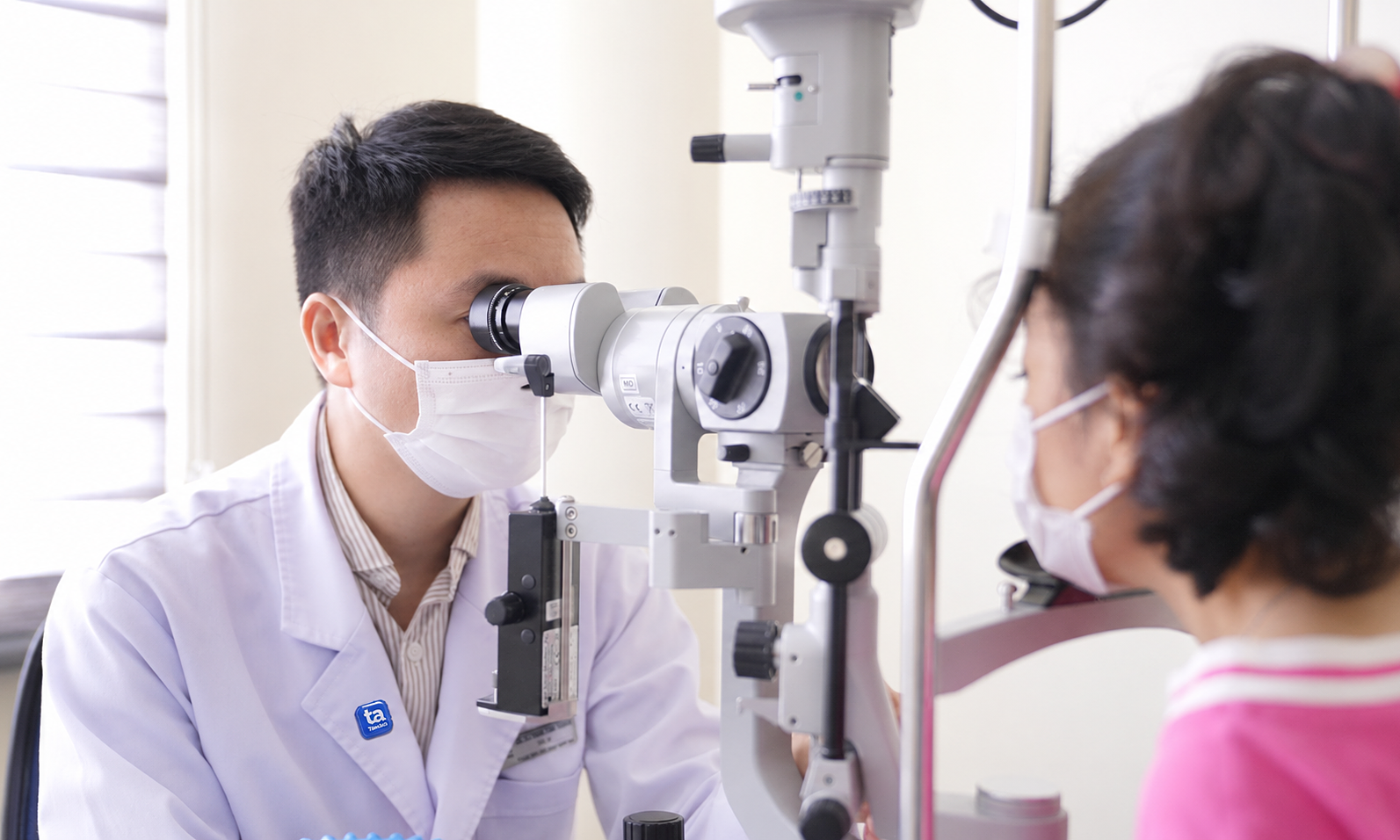
For individuals with Parkinson's, regular eye examinations help detect and address visual problems affecting reading, mobility, and quality of life. Depending on the cause, a doctor may prescribe artificial tears, adjust glasses, or use prism glasses.
Bao Bao (Compiled)
| Readers can submit questions about ophthalmological conditions here for a doctor to answer. |