A representative from Nguyen Trai Hospital reported that the woman was being treated for Dengue fever. 10 years prior, she had undergone surgery for a goiter and breast tumor, which involved endotracheal intubation and a tracheostomy.
During her current hospitalization, a few days after admission, the patient developed septic shock, acute respiratory failure due to pneumonia, and multi-organ failure, necessitating endotracheal intubation and mechanical ventilation. Once her infection improved, the endotracheal tube was removed. However, immediately afterward, she experienced severe difficulty breathing and a significant drop in blood oxygen levels. Her airway was almost completely closed. The medical team had to re-insert a very small endotracheal tube to maintain breathing, followed by a temporary tracheostomy.
Dr. Nguyen Cao Thuy, Deputy Head of the Ear, Nose, and Throat Department, explained that the patient's bilateral vocal cord paralysis caused airway narrowing, making it difficult for air to reach the lungs. The patient also had a tracheal stenosis scar from her tracheostomy 10 years ago.
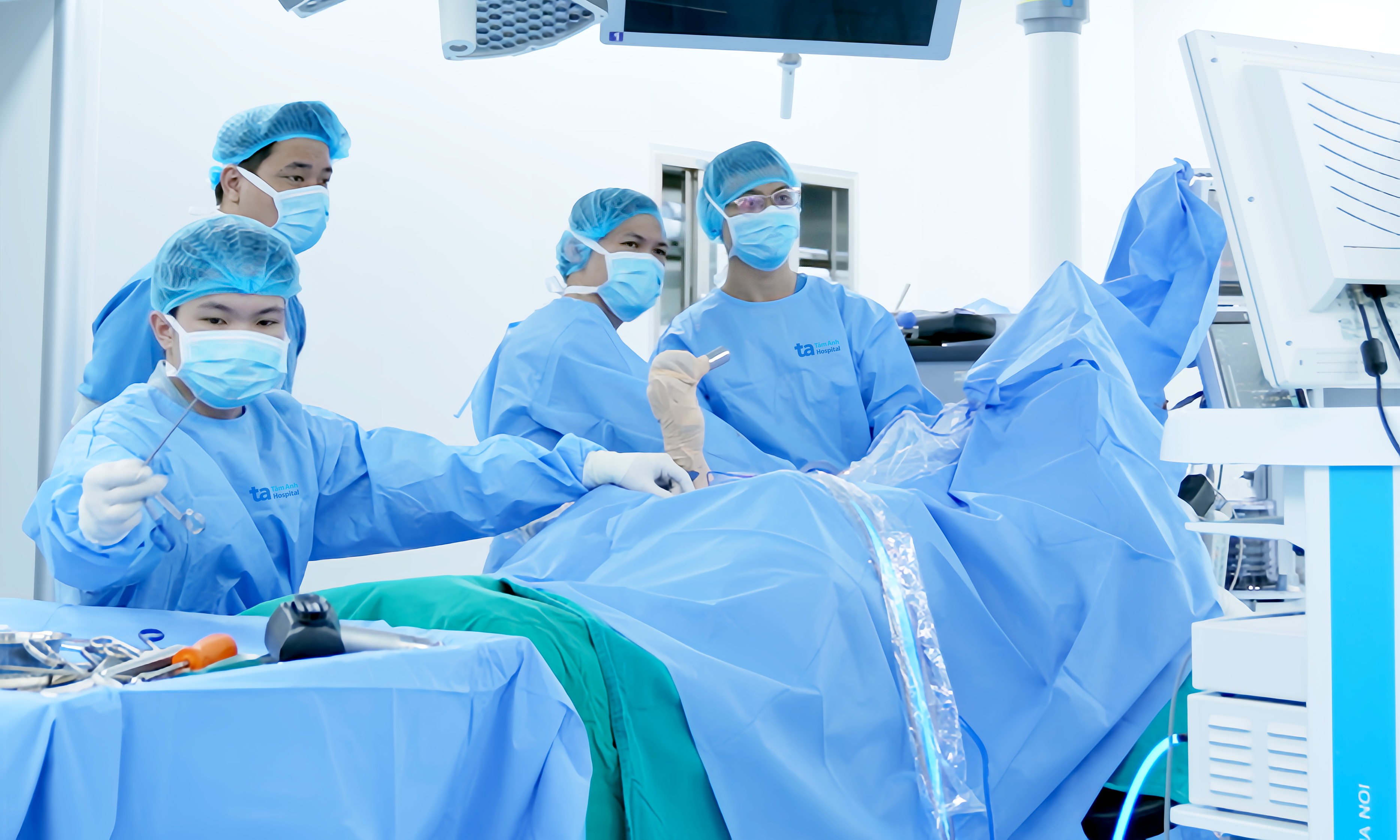
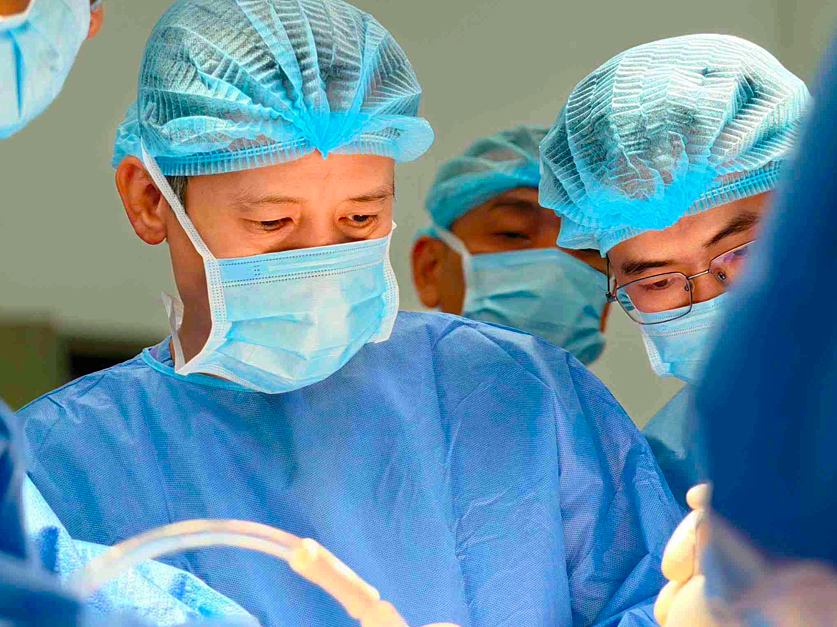
The patient underwent surgery to widen her airway via laryngoscopy. After the operation, she breathed well independently, the tracheostomy tube was removed, and her voice was partially preserved.
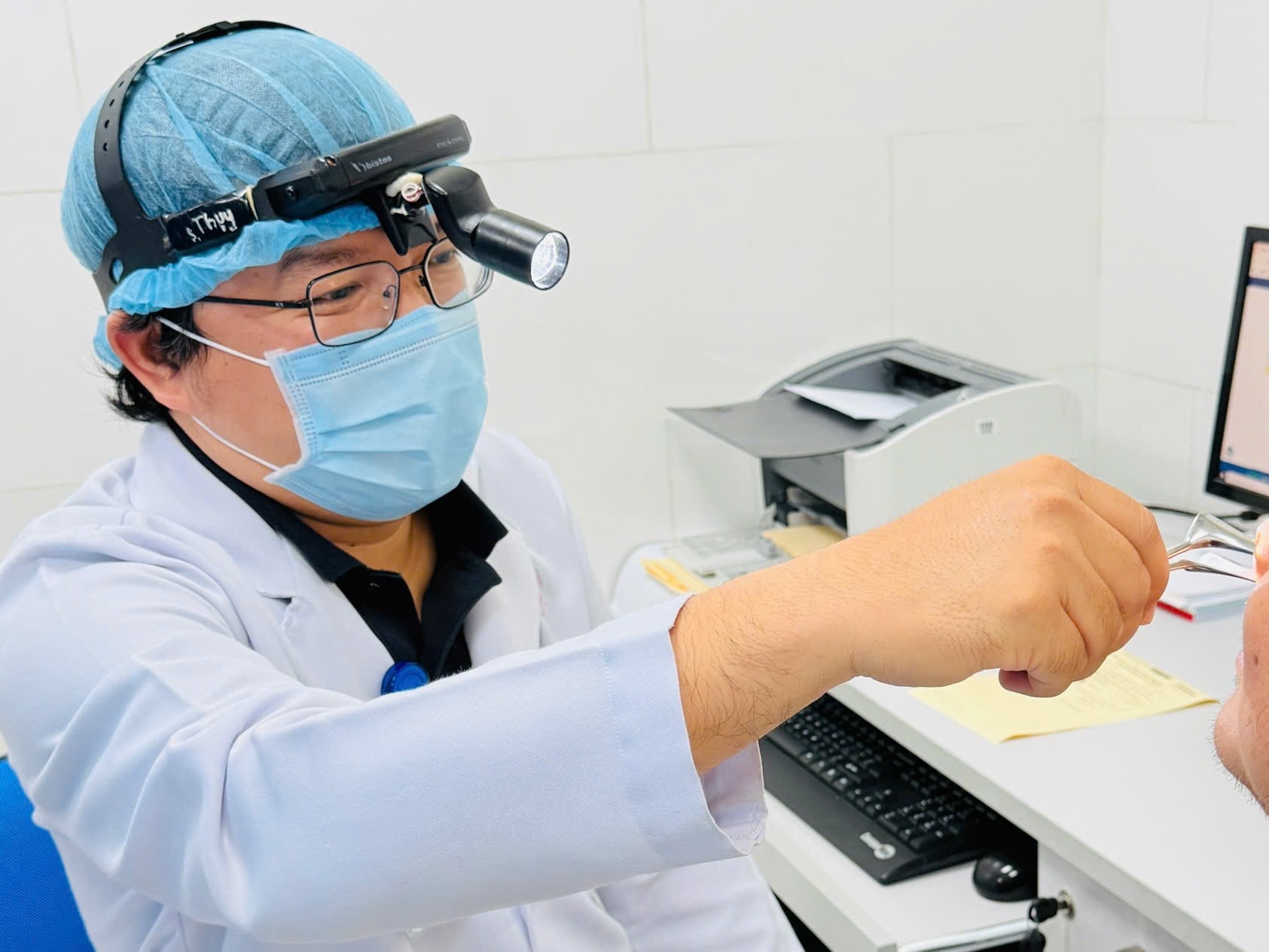 |
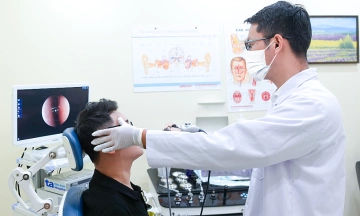
A doctor examines the patient. *Photo: Hospital provided* |
Doctors advise individuals who have undergone endotracheal intubation, tracheostomy, or neck surgery to have follow-up examinations to check their airway and vocal cords. After an endotracheal tube is removed, if symptoms such as stridor (a high-pitched breathing sound), difficulty breathing, or neck/chest retraction occur, prompt medical attention is necessary.
Patients currently with a tracheostomy tube who experience difficulty breathing, choking coughs, or difficulty suctioning phlegm through the tube should immediately alert medical staff to prevent tube obstruction and subsequent respiratory failure.
Le Phuong