Hoang Tu,
Given your family history of high blood pressure, you do have an increased risk of developing the condition due to genetic factors. Therefore, proactive screening every 6-12 months is advisable. Early detection of abnormalities can prevent rapid disease progression and dangerous complications.
High blood pressure is a chronic condition that progresses silently but carries many dangerous complications if not controlled promptly. The World Health Organization (WHO) estimates that about 46% of adults have elevated blood pressure but are unaware of their condition. Implementing preventive measures, alongside regular monitoring, can help manage cardiovascular complications effectively.
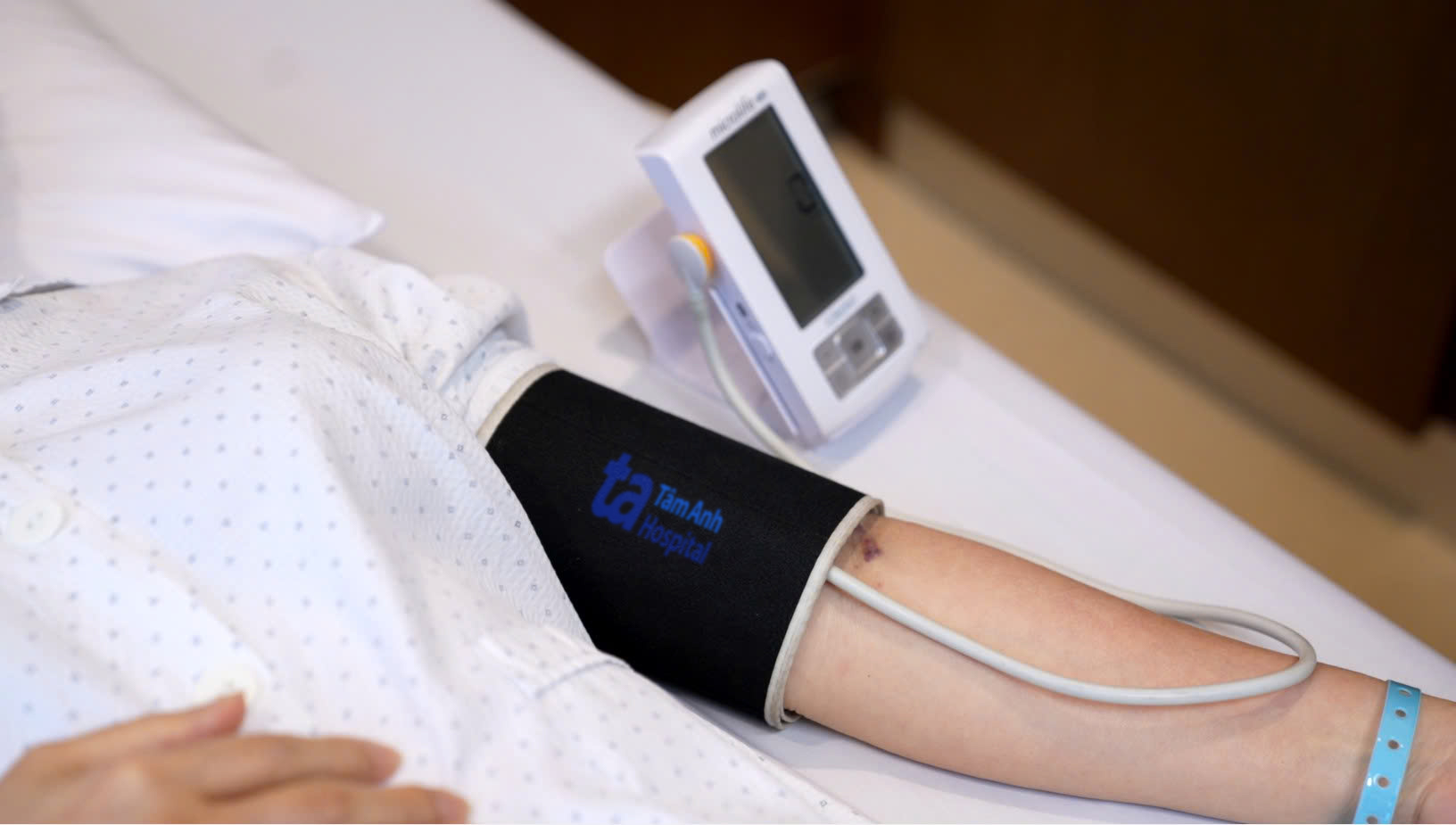 |
Measuring blood pressure helps monitor health. *Illustration: Tam Anh General Hospital* |
Preventing high blood pressure primarily involves adopting a healthy lifestyle and managing existing health issues. Key strategies include:
A balanced diet is fundamental for managing blood pressure and preventing cardiovascular diseases. When planning meals, reduce salt intake, limit sugary foods, increase green vegetables, avoid dishes rich in saturated fats, and supplement with minerals like potassium and magnesium.
Regular physical activity helps stabilize blood pressure and strengthens cardiovascular health. Aim for about 30 minutes of exercise daily, at least 5 sessions each week. Choose exercises suitable for your health condition, avoiding overexertion.
Overweight and obesity are high risk factors for developing high blood pressure. Doctors consistently recommend a scientific approach to weight loss for those who are overweight.
Managing stress through methods like meditation, yoga, listening to music, reading, or journaling can improve mental well-being. Additionally, balancing work and rest helps maintain stable blood pressure levels.
Late nights, working overnight, and compensating with daytime sleep are detrimental to health, increasing the risk of high blood pressure and cardiovascular diseases. To prevent this, establish a healthy routine: go to bed early, wake up on time, avoid electronic devices before sleep, and ensure sufficient, deep sleep.
Limiting stimulants like alcohol, beer, coffee, energy drinks, and tobacco is crucial. These substances can increase pressure on blood vessel walls, leading to elevated blood pressure readings.
Individuals with underlying health conditions such as diabetes, dyslipidemia, chronic kidney disease, or thyroid disease must adhere to their doctor's treatment plans. This reduces the burden on the heart and effectively controls blood pressure.
Home blood pressure monitoring is a useful measure for early detection of any abnormalities, allowing for timely treatment.
Doctor Pham Phong Luan, Level I Specialist, Cardiology Center, Tam Anh General Hospital, TP HCM
| Readers can submit questions about cardiovascular diseases here for a doctor's response. |