Allergic rhinitis is a condition where the nose becomes irritated and inflamed, not due to viruses or bacteria, but environmental factors such as pollen, animal dander, caterpillar hairs, butterfly scales, smoke, dust, and dust mites. If not properly treated, it can cause degeneration and edema of the nasal mucosa, polyp development, reduced or lost sense of smell, pharyngitis, and sinusitis.
Dr. Nguyen Chi Trung, from the Department of Otorhinolaryngology at Tam Anh General Hospital Hanoi, states that several common mistakes in self-treating rhinitis can worsen the condition.
Frequent exposure to irritants
Allergic rhinitis occurs when the body releases histamine after exposure to allergens such as dust, pollen, pet dander, or dust mites. Many people are aware of their allergies but only take medication without avoiding these triggers. Common symptoms include sneezing, runny nose, nasal congestion, watery eyes, and red eyes. Failing to wear masks, clean homes, or wash bedding regularly also increases exposure to allergens.
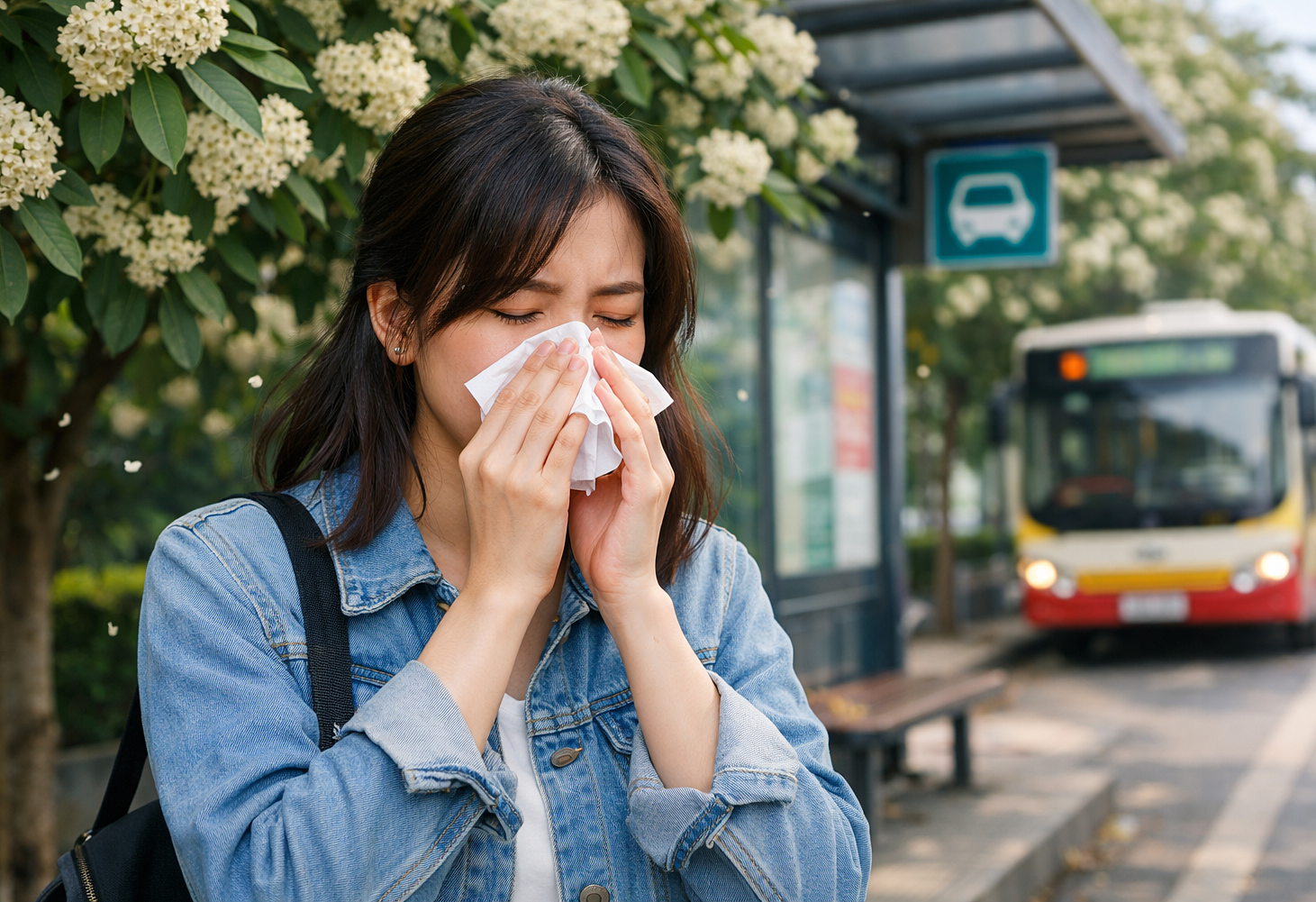 |
Allergens cause sneezing and a runny nose. Photo created by AI
Self-medicating with nasal decongestant sprays (vasoconstrictors)
Nasal decongestant sprays reduce congestion by constricting mucosal blood vessels, providing temporary relief. However, prolonged use can cause a rebound effect, damaging the nasal mucosa and leading to over-enlargement of the nasal turbinates, resulting in turbinate hypertrophy.
Stopping medication when symptoms subside
Arbitrarily stopping medication when symptoms like sneezing, nasal itching, or congestion decrease can be harmful. Allergic rhinitis is a constitutional disease, and discontinuing treatment before a doctor's instruction means the inflammation is not fully controlled, making recurrence easy and potentially leading to bronchial asthma or sinusitis.
Dr. Trung advises allergic rhinitis patients to wear masks outdoors and limit contact with pets. Using an air purifier or humidifier helps remove allergens and moisturize the sinonasal mucosa. Maintaining a healthy diet and boosting immunity protects the respiratory tract. When symptoms appear, patients should not self-medicate but seek examination at a reputable medical facility for proper diagnosis and treatment.
Ha Nhung
| Readers can ask questions about ear, nose, and throat diseases here for doctors to answer. |