Doctor Cao Vinh Duy, from the Urology Department at the Center for Urology, Nephrology, and Andrology at Tam Anh General Hospital, TP HCM, observed abnormal bladder contractions in the patient, which caused severe urinary dysfunction. A CT scan revealed a large pus pocket in the prostate, indicating an abscess. This condition often results from acute prostatitis that has not been treated promptly. Without early intervention, the pus pocket can spread, leading to sepsis or abscess rupture, which can be life-threatening.
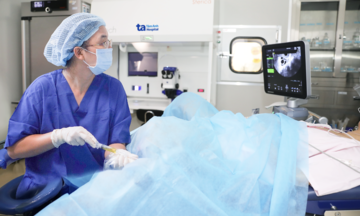
Doctors decided on endoscopic prostatectomy to relieve the urinary tract obstruction. This procedure included abscess drainage and suprapubic catheter placement to control the pus, prevent its spread, and improve urine flow. The patient also received appropriate antibiotic treatment to manage the infection effectively.
 |
Doctor Duy performs endoscopic surgery on Vuong. Photo: Tam Anh General Hospital.
Following the surgery, the infection was controlled, and the prostate abscess was thoroughly addressed. The patient was discharged shortly after and scheduled for regular follow-up appointments to allow doctors to monitor his condition and prevent recurrence.
According to Doctor Duy, prostate abscesses are typically caused by gram-negative aerobic bacteria, most commonly Escherichia coli, or less frequently, Staphylococcus aureus. Bacteria can enter the prostate through the urinary tract or the bloodstream. Patients often present with symptoms similar to urinary tract infections, such as: frequent urination, painful urination, urinary retention, pelvic pain, fever or chills, pus or blood in urine, and potentially painful ejaculation or erectile dysfunction.
The condition commonly affects men between 40 and 60 years old, especially those with a history of prostatitis, diabetes, a weakened immune system, or prolonged catheter use. While complete prevention is not possible, doctors advise men to seek early treatment for prostatitis, maintain a healthy lifestyle, drink sufficient water, limit alcohol and stimulants, practice proper genital hygiene, and effectively manage chronic diseases like diabetes to reduce the risk of complications.
Ha Thanh
*Patient's name has been changed.