Gavi cited data from an analysis by the International Agency for Research on Cancer (IARC), published in The Lancet in early October. IARC listed the specific agents as follows:
Helicobacter pylori bacteria
Helicobacter pylori (H. pylori) is a bacterium that lives in the stomach lining. It often enters the body during childhood and can persist for decades if left untreated.
H. pylori can cause prolonged inflammation and cell changes, increasing cancer risk. According to IARC's analysis, this bacterium was linked to approximately 760,000 cancer cases globally in 2024, representing about 4% of all cancers diagnosed that year.
However, only a few countries have implemented population-wide screening and treatment programs for H. pylori. A vaccine for this bacterium is also under development.
HPV
HPV was linked to approximately 750,000 cancer cases globally in 2024, accounting for about 4% of new cancer cases. This is a common virus, with an estimated 80% of the population infected at least one time in their lives. Most cases resolve spontaneously; however, persistent infection with certain high-risk strains causes nearly all cervical cancer cases. It is also linked to a percentage of anal, penile, vaginal, vulvar, and throat cancers.
Over two decades of research show that HPV vaccines significantly reduce persistent HPV infection and precancerous cervical lesions. Real-world studies also report a decrease in cervical cancer rates in countries that implemented early vaccination programs.
 |
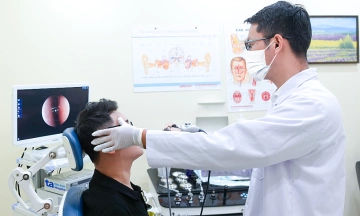
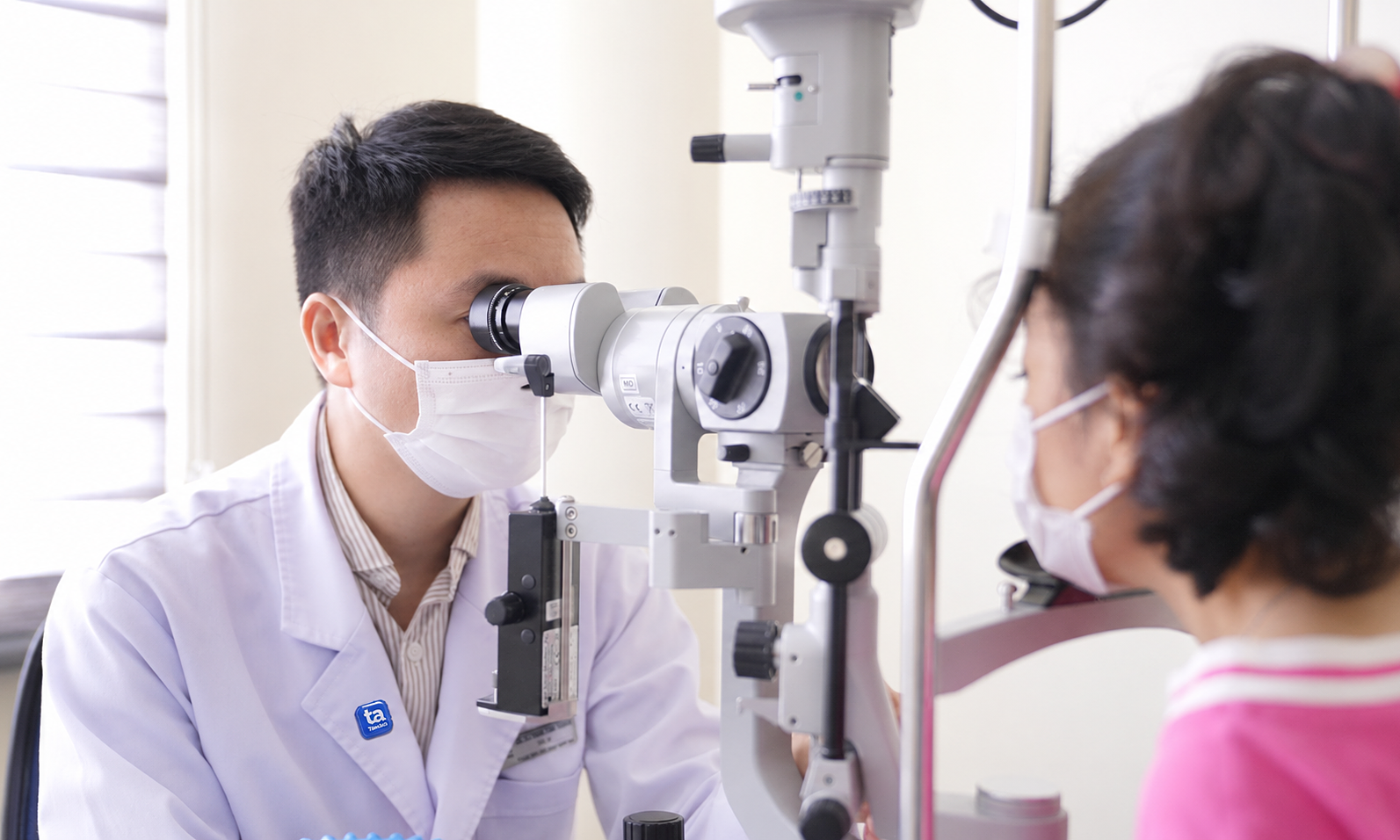
A doctor provides health consultation to a patient. Many infection-related cancers can have their risk reduced through appropriate vaccination, testing, treatment, and screening. *Vecteezy* |
Hepatitis B virus
The hepatitis B virus was linked to approximately 360,000 cancer cases globally in 2024, representing about 2% of new cancer cases. The virus attacks the liver, causing chronic liver disease, which can lead to cirrhosis or liver cancer through prolonged inflammation and damage.
Hepatitis B is preventable by vaccine. Because the risk of chronic infection is particularly high if acquired early in life, the World Health Organization (WHO) recommends that all newborns receive their first hepatitis B vaccine dose within 24 hours of birth, followed by two or three additional doses.
Completing the full vaccination course provides 98-100% protection against virus infection; its efficacy can last for decades and likely for life.
Epstein-Barr virus (EBV)
EBV was linked to approximately 260,000 cancer cases in 2024, making it the fourth leading infectious cause of cancer worldwide. This virus is common, infecting about 95% of the global population and remaining in the body for life.
Most infections are asymptomatic. However, if first infected during adolescence or adulthood, individuals can develop infectious mononucleosis.
EBV also contributes to the formation of some cancers, such as Burkitt lymphoma, Hodgkin lymphoma, and nasopharyngeal cancer. Growing evidence suggests the virus is also linked to gastric cancer. While no licensed EBV vaccine exists, several candidate vaccines are under development.
Hepatitis C virus
The hepatitis C virus was linked to approximately 160,000 cancer cases globally in 2024. Similar to hepatitis B, this virus attacks the liver and can cause prolonged infection, ultimately leading to cirrhosis or liver cancer.
Currently, no vaccine for hepatitis C exists, though scientists are developing one. However, a short course of antiviral medication can cure over 95% of infections and significantly reduce the risk of liver cancer.
Hepatitis C can silently cause disease for many years, leading many people to be unaware of their infection. Globally, access to diagnosis and treatment remains limited.
Other agents
Beyond the 5 primary agents, IARC also examined 7 other agents that can directly or indirectly increase cancer risk. This group includes three viruses linked to some skin, blood, and lymphatic system cancers. Three types of parasitic worms can cause prolonged damage to the bladder or bile ducts, thereby increasing cancer risk in these organs.
HIV was also included in the analysis. The virus does not directly cause cancer but weakens the immune system, making it harder for the body to control infectious agents that can lead to cancer.
"The findings indicate that infection control can play a significant role in reducing the global cancer burden," said co-author Doctor Harriet Rumgay of IARC's Cancer Surveillance Branch.
Currently, many infection-related cancers are preventable through measures such as: vaccination, HPV and hepatitis B screening; H. pylori and viral hepatitis testing and treatment.
There are two types of HPV vaccines: Gardasil, administered to women aged 9-26, and Gardasil 9, administered to both males and females aged 9-45. Children aged 9-14 require two doses at least 6 months apart. Individuals aged 15-45 receive three doses within 6 months. Those who miss or are late for their vaccination schedule do not need to restart; they should continue with an appropriate regimen.
For hepatitis B, vaccines are available as single agents or combined with hepatitis A protection in the same dose; combination vaccines containing hepatitis B components include 5-in-1 and 6-in-1. Newborns need one dose of hepatitis B vaccine within the first 24 hours after birth, then should follow the vaccination schedule for 5-in-1 or 6-in-1 vaccines. Adults require three doses within 6 months, with hepatitis B testing before vaccination.
Van Ha (according to Gavi, The Lancet)