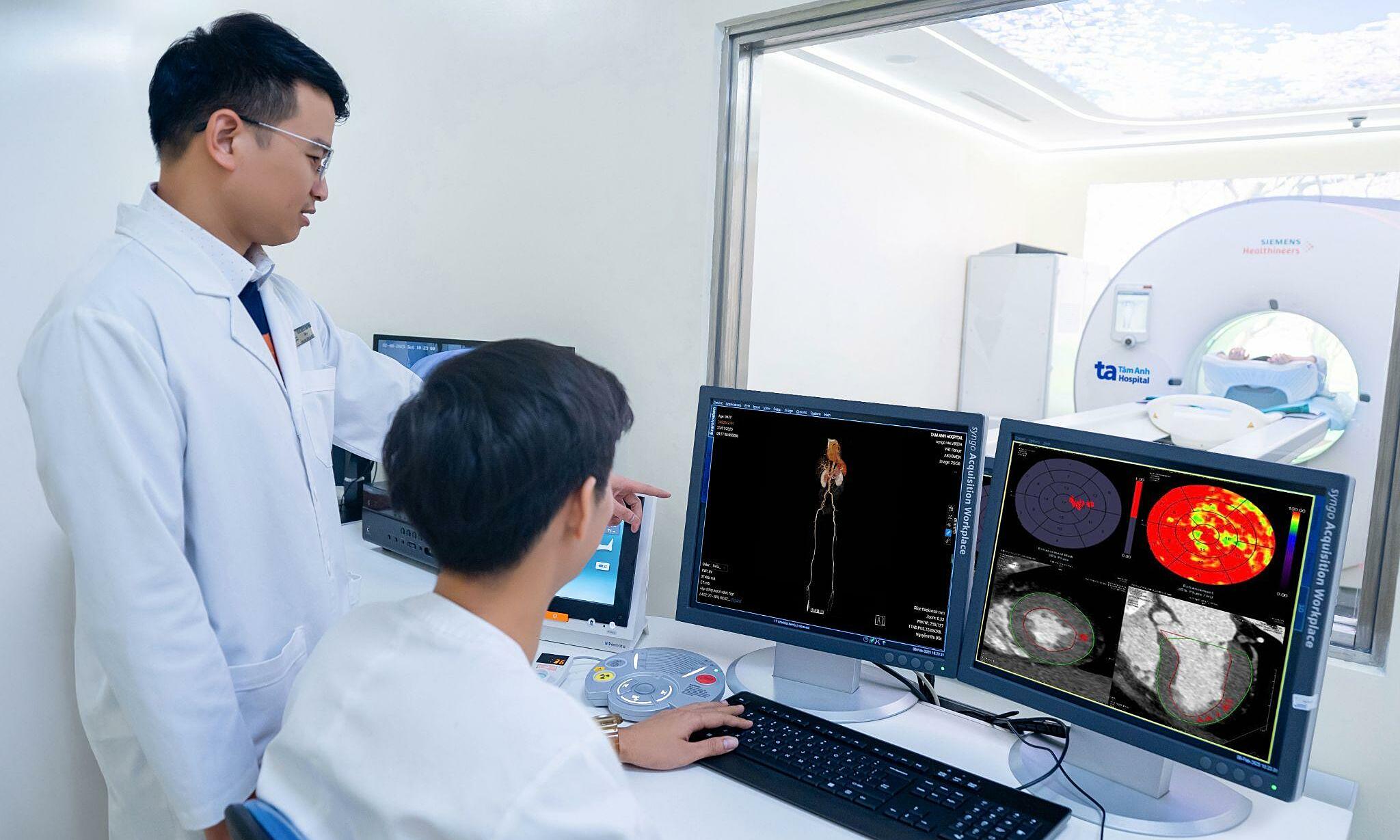
Mr. Hieu, 64, was rushed to Tam Anh General Hospital with intense abdominal pain and sweating. Doctors diagnosed an extraperitoneal bladder rupture, a condition where the bladder tears outside the peritoneal cavity. Imaging results, including a computed tomography scan of the abdomen and pelvis, revealed fluid accumulation primarily in the anterior region and an unevenly thickened bladder wall.
According to Doctor Dinh Quang Huy, from the Urology - Andrology Department at Tam Anh General Hospital, these findings explained the patient's rapidly escalating lower abdominal pain, extreme fatigue, and general discomfort.
Mr. Hieu reported that on the afternoon of his hospital admission, he had consumed beer and rice wine, though he couldn't recall the exact quantity. Afterward, he was unable to urinate, and three hours later, he experienced a sudden onset of severe abdominal pain. Doctor Huy emphasized that alcohol consumption is a high-risk factor for bladder rupture. Alcohol increases urine production while simultaneously diminishing the sensation of needing to urinate. This combination can lead to prolonged, excessive bladder distension. When the pressure within the bladder exceeds its capacity, the bladder wall can tear and rupture, even without any apparent trauma.
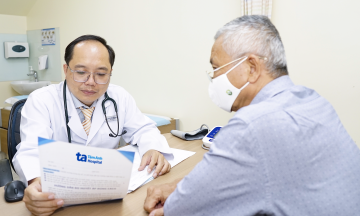
Given that Mr. Hieu's extraperitoneal bladder rupture had not yet developed complications, he was prescribed conservative treatment. Doctors inserted a urinary catheter to drain urine, allowing the rupture site to heal naturally. He also received antibiotics, hemostatic agents, and muscle relaxants to control infection, alleviate pain, and reduce bladder spasms. The patient was closely monitored to assess his response to treatment and detect any potential complications early.
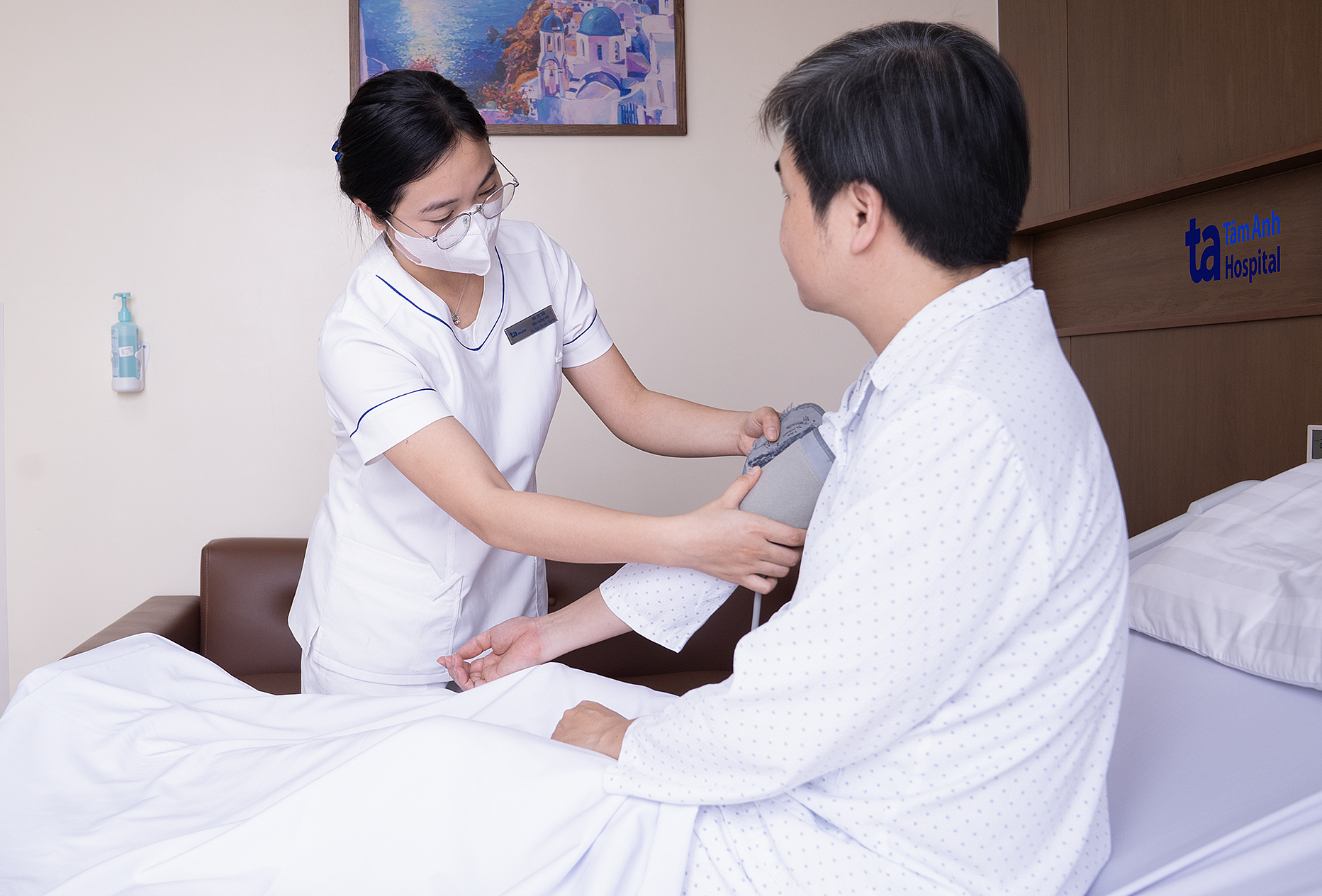 |
Mr. Hieu was monitored after catheter insertion, receiving conservative treatment. Photo: Tam Anh General Hospital |
After two days of treatment, Mr. Hieu's health significantly improved: his lower abdominal pain decreased, and he no longer experienced sweating or extreme fatigue. Urine drainage through the catheter remained stable, with no signs of leakage or infection. Doctors assessed that his bladder was recovering well, and the injury was tending to heal, allowing the patient to resume light activities.
Doctors advise against holding urine after consuming beer, wine, or large quantities of other alcoholic beverages, especially in the evening. If symptoms such as severe lower abdominal pain, urinary retention, hematuria, or rapidly increasing pain occur after drinking alcohol, patients should seek immediate medical attention to ensure timely treatment and prevent dangerous complications.
Thu Giang