While Decree 207/2025/ND-CP legally permits women to become single mothers using donated sperm from a bank and in vitro fertilization (IVF) to create and transfer embryos, selecting specific genetic traits for a child is not permissible.
The process requires an anonymous sample exchange at the hospital's sperm bank, ensuring both confidentiality and legality. Therefore, you cannot choose a specific sperm sample and will not know the donor. Conversely, the donor will not know you or the future child, upholding privacy and legal compliance. Selecting embryos or sperm to have a child based on personal desires beyond preventing disease is not accepted.
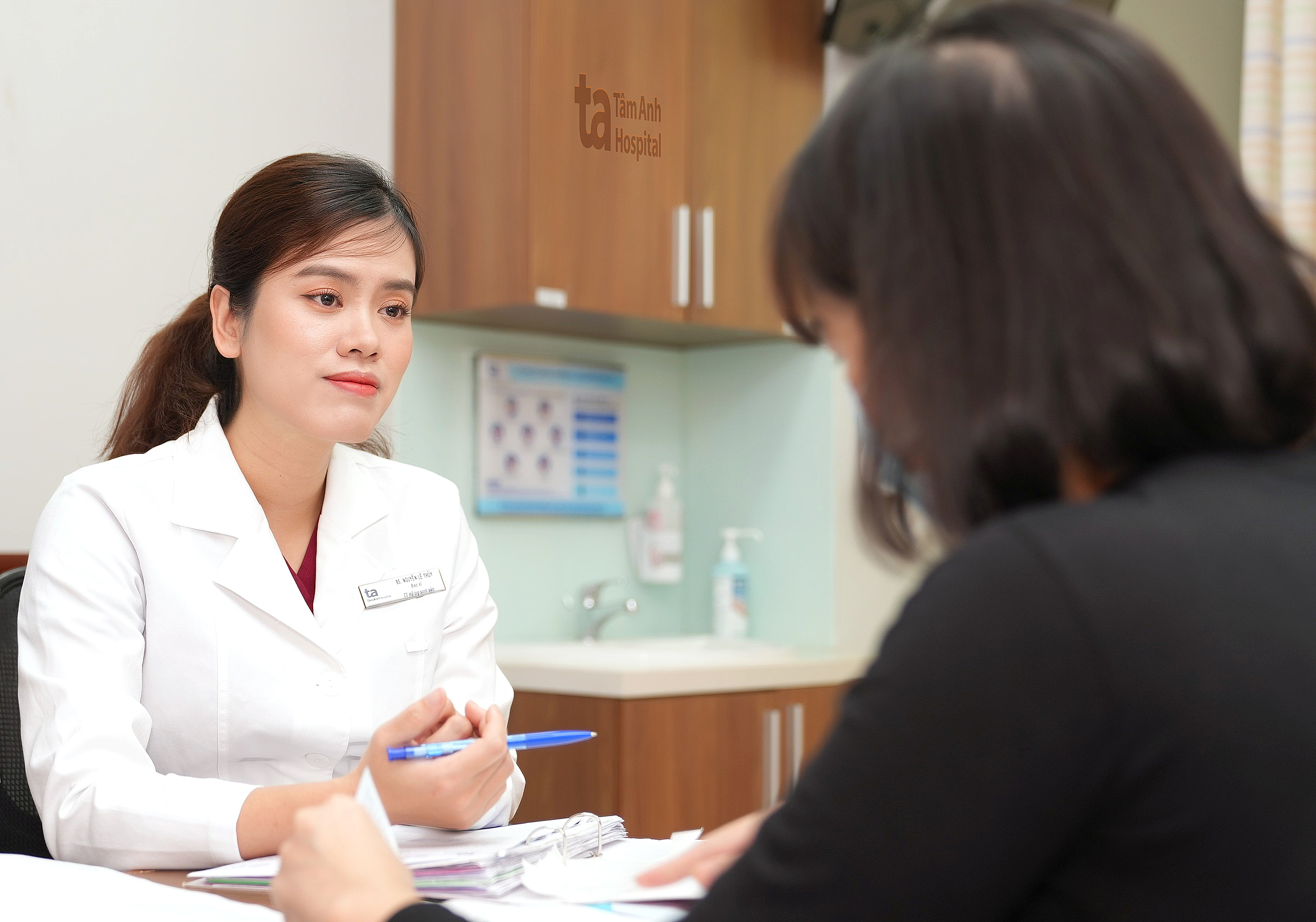 |
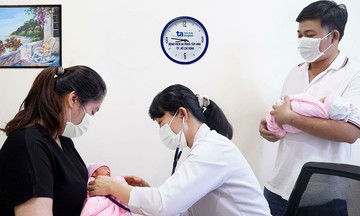
A doctor is providing reproductive support counseling to a woman. Photo: Tam Anh General Hospital.
Donated sperm undergoes strict screening for genetic diseases, infectious diseases, and general health. However, this screening does not guarantee the selection of genes to create a child with superior intelligence, appearance, or talent. Traits considered advantageous, such as intelligence, height, artistic, or athletic abilities, are not determined by a single gene. They result from complex interactions among hundreds, even thousands, of different genes, and are significantly influenced by the living environment, nutrition, education, and training after the child is born. Therefore, selecting sperm based on superficial characteristics or academic information cannot ensure the child will possess desired qualities.
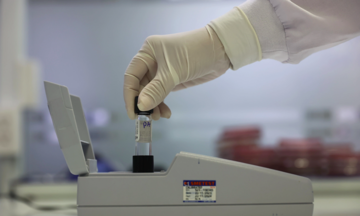
Preimplantation genetic testing (PGT) is a technique used to detect and exclude embryos carrying chromosomal abnormalities or certain genes causing serious genetic diseases. This technique helps reduce the risk of miscarriage, stillbirth, having a child with severe genetic diseases, and increases the success rate of in vitro fertilization.
Embryo screening only indicates whether an embryo is genetically healthy; it cannot predict or select intelligence, appearance, or special abilities. Interventions beyond disease prevention are not only beyond current medical capabilities but also contradict ethical principles in reproduction.
If you choose to become a single mother through in vitro fertilization, the most important aspect is ensuring a healthy start for the child. Using safely screened sperm and applying embryo screening when medically indicated helps reduce the risk of congenital diseases. A child's comprehensive development depends not only on their inherited genes but also on the love, care, education, and living environment provided by the mother from the early years.
Dr. Nguyen Le Thuy
Assisted Reproductive Technology Center
Tam Anh General Hospital Hanoi
| Readers can submit questions about infertility here for a doctor's response. |