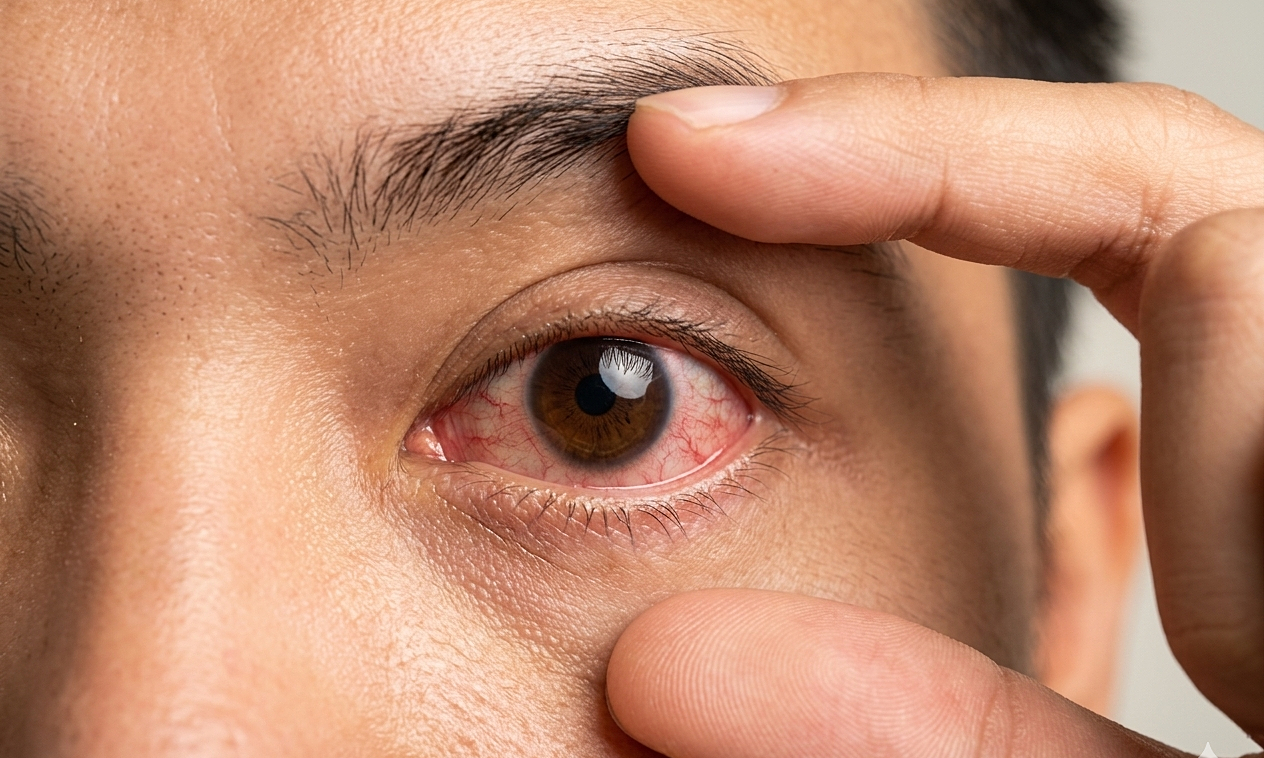
Chronic migraine is a debilitating neurological disorder characterized by severe headaches, often unilateral and throbbing. These headaches occur 15 or more days per month and persist for over three months. In this chronic stage, the central nervous system undergoes "sensitization," meaning pain pathways are continuously activated, causing the brain to overreact to normal stimuli such as light, noise, or mild stress.
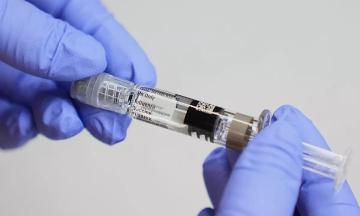
For individuals whose preventive medication has been ineffective or poorly effective, botulinum toxin type A, commonly known as botox, can be considered as a treatment option. Botox's mechanism in treating migraine extends beyond simple muscle relaxation. This active compound inhibits the release of neurotransmitters associated with pain, such as CGRP, substance P, and glutamate, at the sensory nerve endings. These substances are involved in initiating and maintaining neuro-inflammation around the brain's blood vessels. When the release of these substances is reduced, neuro-inflammation and brain sensitivity are controlled, contributing to a reduction in headache days and the intensity of pain over time.
According to the standard protocol, botox is injected into 31-39 specific points across the forehead, temples, occiput, and neck-shoulder region, typically in cycles of approximately 12 weeks. Each injection is small, allowing patients to return home the same day. Efficacy typically begins within one to two weeks, becoming more pronounced after about one month, and lasting for an average of three months. Repeat injections are then needed to maintain preventive efficacy.
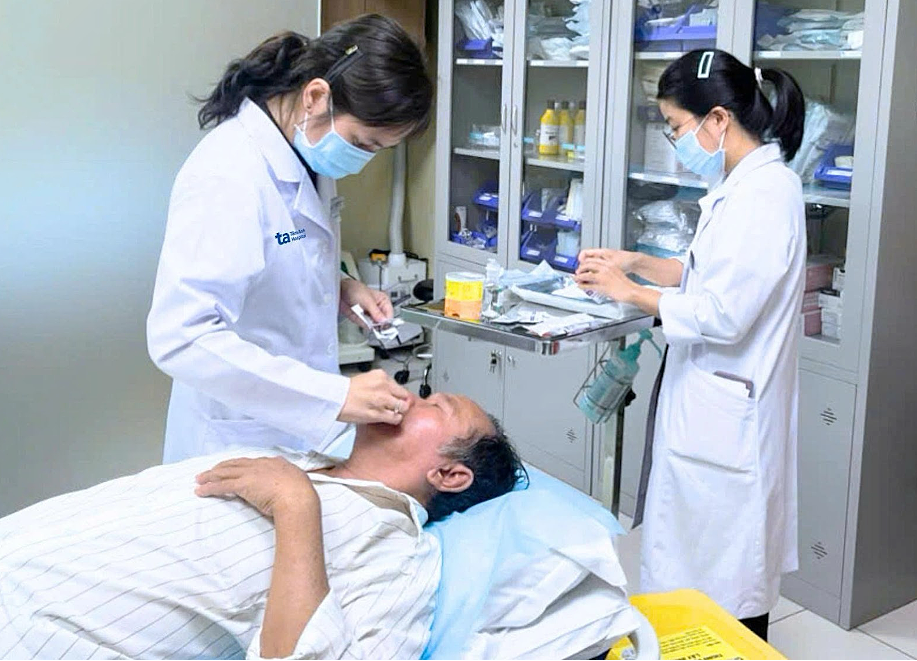 |
A doctor injects botox for a patient. Photo: Tam Anh General Hospital
Botox injections for migraine treatment have minimal systemic effects. Side effects are usually mild and temporary, such as pain or slight bruising at the injection site, or a temporary feeling of tension or fatigue in the neck. However, not all prolonged headaches are suitable for botox injections. A consultation with a doctor is necessary to accurately determine the type of headache and the appropriate treatment plan.
Doctor of first-degree specialization Nguyen Hoang Minh Thao
Neurology Department, Neuroscience Center
Tam Anh General Hospital, TP HCM