Eng English
China 中国人

Eng English
China 中国人
  • News
  • World
  • Business
  • Entertainment
  • Sports
  • Law
  • Education
  • Health
  • Lifestyle
  • Travel
  • Science
  • Digital
  • Automobiles
  • Trở lại Thể thao
  • Health
Friday, 22/5/2026 | 01:03 GMT+7

6 habits that lead to early heart decline in young people

Sedentary lifestyles, late nights, alcohol consumption, and frequent processed food intake can silently increase the risk of heart disease, even among young adults.

Experts suggest that cardiovascular disease is not exclusive to older individuals. Modern lifestyles, characterized by work pressure, prolonged sitting, and irregular habits among young people, are placing increasing strain on the heart daily. Below are six habits that can gradually weaken the heart.

Prolonged sitting

Sitting continuously for many hours is a common habit for office workers and those who use computers. A sedentary lifestyle can slow blood circulation, affect metabolism, and increase the risk of high blood pressure, obesity, and diabetes – all factors linked to cardiovascular disease. Individuals should stand up, walk around, or engage in light physical activity every 30 to 60 minutes of continuous sitting.

Chronic sleep deprivation

According to Everyday Health, staying up late or not getting enough sleep can directly impact cardiovascular health. Prolonged sleep deprivation elevates stress hormones, blood pressure, and inflammatory responses in the body.

Many young people frequently stay up late due to work or phone use before bed. This behavior can lead to an earlier onset of heart disease. Maintaining seven to eight hours of sleep each night allows the body and cardiovascular system sufficient time to recover.

Persistent stress

Chronic stress is considered a silent contributor to heart damage. When the body is consistently stressed, heart rate and blood pressure tend to rise above normal levels.

Beyond its direct impact on the cardiovascular system, stress also prompts many individuals to develop unhealthy habits such as irregular eating, smoking, drinking alcohol, or reduced physical activity. Everyone should allocate time for relaxation, exercise, or adequate rest to manage mental pressure.

The American Heart Association (AHA) recommends at least 150 minutes of brisk walking each week to help protect cardiovascular health. Even two 15-minute brisk walks daily during the work week can offer benefits for heart health.

Excessive processed food consumption

According to Times of India, a high intake of fast food and foods rich in salt, sugar, and saturated fats can increase bad cholesterol and the risk of atherosclerosis.

Furthermore, irregular eating habits or frequently skipping meals can also affect metabolism and cardiovascular health. A diet rich in green vegetables, fruits, whole grains, and fresh foods is considered more beneficial for the heart.

Smoking and heavy alcohol consumption

Tobacco can damage blood vessels and increase the risk of heart attacks and strokes. Meanwhile, excessive alcohol intake can elevate blood pressure and impair heart function. These effects often develop silently over a long period before manifesting as clear medical conditions.

Ignoring warning signs

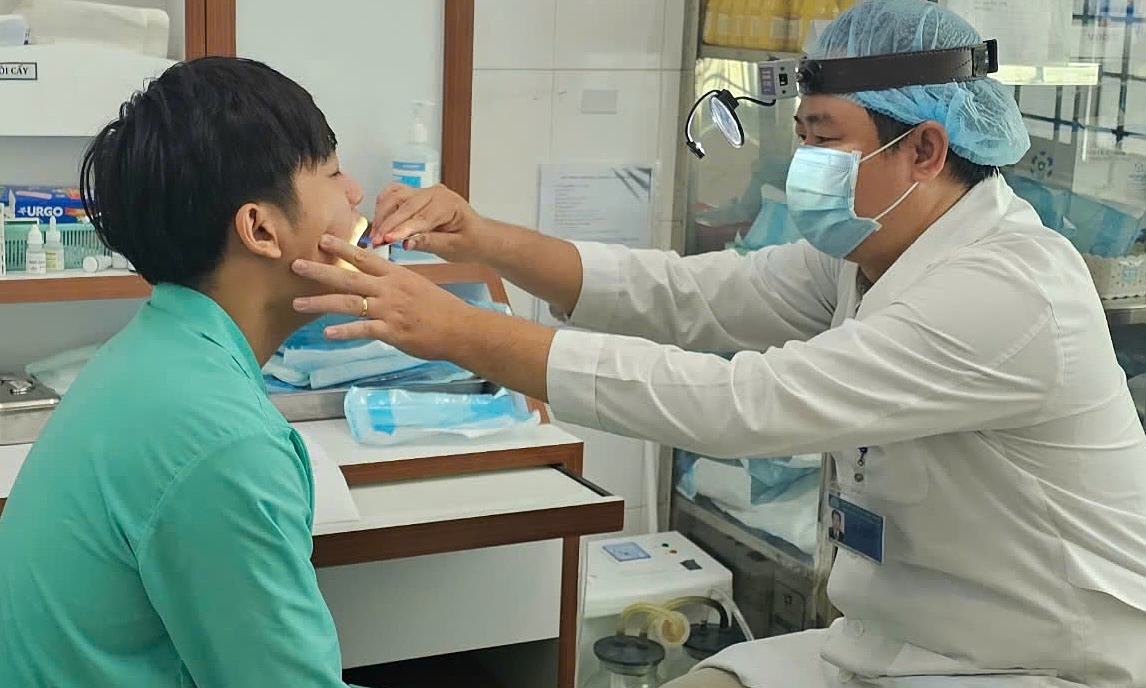
Persistent fatigue, chest pain, shortness of breath, or a rapid heart rate are sometimes dismissed as being related to stress or lack of sleep. However, these can also be early indicators of cardiovascular problems. Regular health check-ups help detect risk factors such as high blood pressure, high cholesterol, or diabetes early, allowing for timely intervention.

Bao Bao (General)
By VnExpress: https://vnexpress.net/6-thoi-quen-khien-tim-xuong-cap-som-o-nguoi-tre-5075775.html
Tags: healthy habits cardiovascular disease young people

News in the same category

Is having sex when angry harmful?

Is having sex when angry harmful?

Many say sex helps relieve tension and stress, but does engaging in sexual activity while angry reduce libido, diminish quality of life, or even lead to a loss of behavioral control? (Hoa, 22, Hanoi)

Doctor identifies 5 dietary mistakes that harm kidneys

Doctor identifies 5 dietary mistakes that harm kidneys

Consuming too much salt, not drinking enough water, or overusing protein can force kidneys to overwork long-term, increasing disease risk.

Successful biopsy of pancreatic tumor in a challenging location

Successful biopsy of pancreatic tumor in a challenging location

Da Nang oncology hospital successfully performed a complex pancreatic tumor biopsy on a 76-year-old male patient, despite the tumor being completely obscured by blood vessels and the digestive system.

Young travelers proactively get vaccinated to avoid illness during beach holidays

Young travelers proactively get vaccinated to avoid illness during beach holidays

Before a five-day, four-night trip to Phu Quy Island with friends, Van Anh, 26, from Ho Chi Minh City, received flu and meningococcal vaccines, ensuring peace of mind for her journey.

How excessive protein intake harms health

How excessive protein intake harms health

Prolonged excessive protein intake can strain kidneys, elevate cardiovascular risk, and impact the aging process, particularly in individuals with underlying conditions.

Prolonged stress impacts the brain

Prolonged stress impacts the brain

Excessive stress and anxiety can cause lasting changes in the brain, leading to the development of mental disorders such as anxiety and depression.

'Raising mosquitoes' in the lab blocks disease transmission

'Raising mosquitoes' in the lab blocks disease transmission

Late at night, in a cattle shed pungent with manure and dampness, medical entomologists sit motionless for hours, baring their arms as "bait" for mosquitoes.

a2 milk formula circulated in Vietnam "free of bacteria"

a2 milk formula circulated in Vietnam "free of bacteria"

The food safety authority (ministry of health) announced that a2 Platinum Premium infant formula for children aged 0-12 months sold in Vietnam is not subject to the recall in the US, and tested samples showed no bacterial contamination.

What happens to blood sugar when eating dried fruit?

What happens to blood sugar when eating dried fruit?

Dried fruit contains less water, concentrated sugar, and often has a high glycemic index, which can cause blood sugar levels to rise quickly.

How a hemodialysis session unfolds

How a hemodialysis session unfolds

Patients undergoing hemodialysis can eat, drink, or even work during their four-hour sessions, once connected to the blood purification system.

Eng English
China 中国人
  • News
  • World
  • Business
  • Entertainment
  • Sports
  • Law
  • Education
  • Health
  • Lifestyle
  • Travel
  • Science
  • Digital
  • Automobiles
FPT Tower, 10 Pham Van Bach Street, Dich Vong Ward,
Cau Giay District, Hanoi, Vietnam
Email: contacts@vnportal.net
Tel: 028 7300 9999 - Ext 8556
Advertise with us: 090 293 9644
Register
© Copyright 2026 vnnow.net. All rights reserved.
Terms of use Privacy policy Cookies