Strabismus, commonly known as crossed eyes, occurs when the two eyes do not look in the same direction. One eye might look straight ahead while the other turns inward, outward, upward, or downward; or the eyes might alternate their misalignment. When the eyes are misaligned, each eye sends different visual signals to the brain. The brain automatically suppresses the image from the misaligned eye, processing only the image from the correctly aligned eye. This "signal suppression" mechanism can lead to amblyopia, or lazy eye, potentially causing permanent vision loss if not detected and treated promptly.
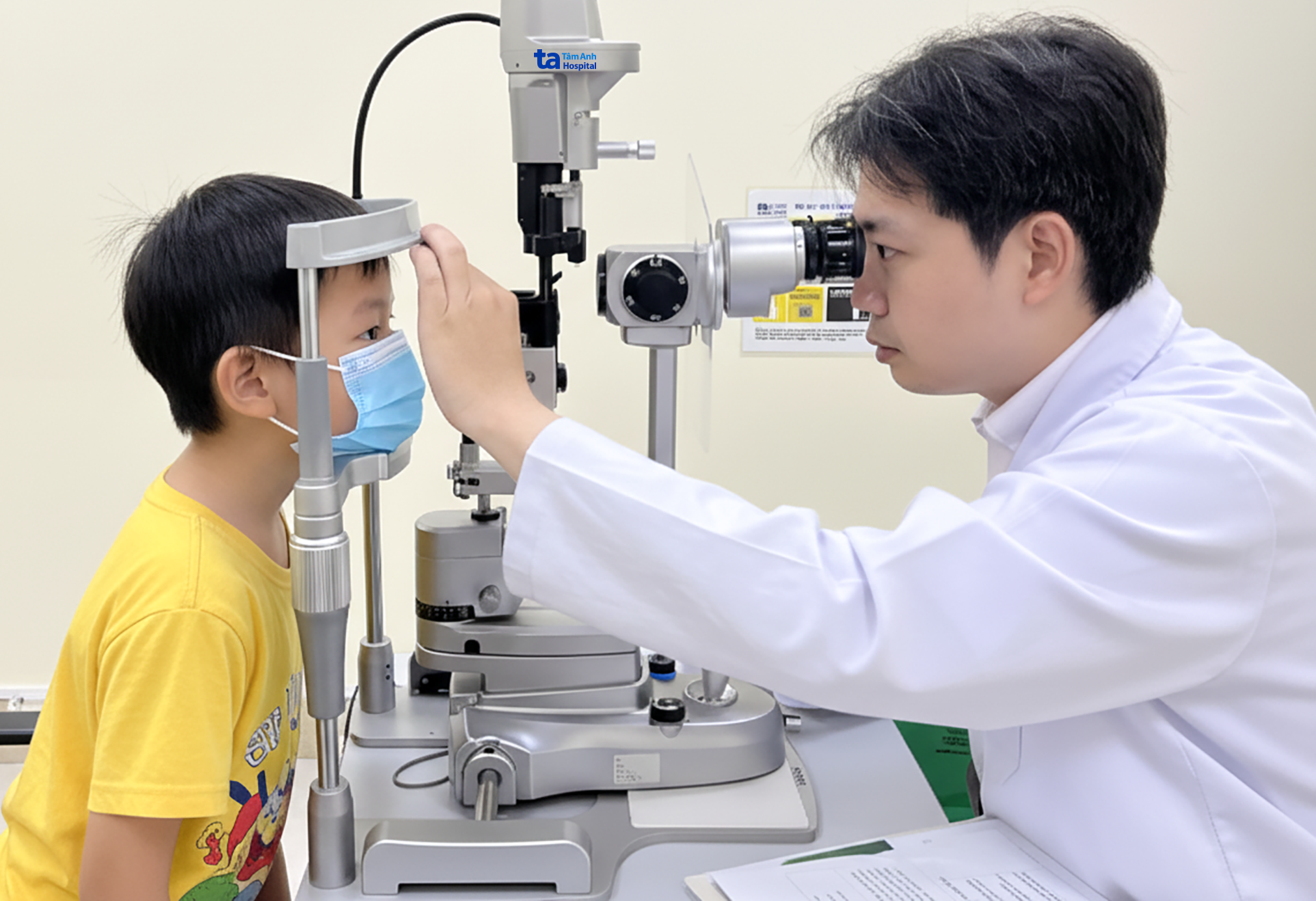 |
Dr. Huy examines a young boy's eyes. Illustration: Tam Anh General Hospital |
Surgery is not always the initial treatment prescribed by doctors for strabismus. Children might first receive corrective glasses for refractive errors, undergo patching therapy to encourage the misaligned eye to work, or participate in vision training to help the brain learn to see correctly. However, early surgical intervention is often recommended for children with congenital strabismus or esotropia (inward turning of the eye) that appears before six months of age. This approach helps the eyes regain better coordination and reduces the risk of severe amblyopia. In such cases, surgery plays a critical role in preserving vision. Ophthalmologists typically determine the optimal timing for surgery based on the degree and type of misalignment, the child's age, and the impact on visual development.
Your child should visit a hospital for an ophthalmologist to assess the misalignment, type of strabismus, vision, and overall eye health. This comprehensive evaluation will help determine the appropriate intervention, whether it involves corrective glasses, immediate surgery, further monitoring, a single procedure, or two or three additional procedures.
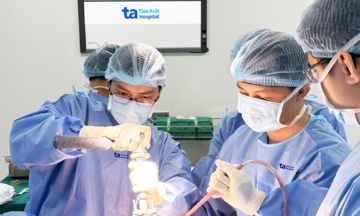
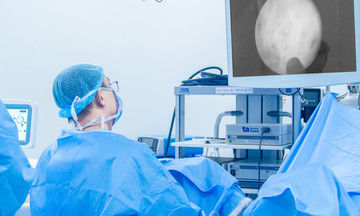
Strabismus surgery involves manipulating the external eye muscles and does not interfere with critical internal structures like the cornea or retina. This makes the risk of vision damage very low and the procedure safe. The surgery typically lasts about 20-40 minutes, and children can usually return home the same day. In the first few days after surgery, children might experience mild irritation or redness in the eye, but this condition improves quickly.
Dr. Nguyen Duc Huy
High-Tech Eye Center
Tam Anh General Hospital, Ho Chi Minh City