Children with cow's milk allergy can generally receive vaccinations, provided their symptoms are mild or stable. This advice addresses a common concern, such as the one raised by Bich Hue, 28, from TP HCM, regarding her 2-year-old child.
Cow's milk allergy is a common food allergy in young children, occurring when the immune system mistakenly identifies proteins in milk. Reactions can range from mild to severe, including rashes, hives, vomiting, difficulty breathing, and diarrhea. This condition often gradually subsides and resolves by around 5 years of age. While the allergy itself does not affect a child's eligibility for vaccination, children with severe symptoms require treatment or a doctor's specific instruction before immunization.
Towards the end of the year, many infectious diseases like flu, measles, chickenpox, meningococcal disease, and pneumococcal disease are circulating. Parents should review and update their child's vaccination schedule to ensure comprehensive protection.
 |
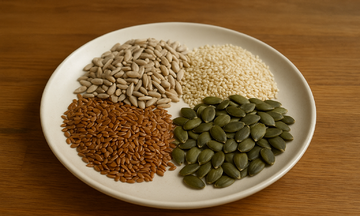
Children with cow's milk allergy can receive vaccines, but only when symptoms are mild or stable: Photo: Vecteezy
To protect against these threats, various vaccines are available. Vietnam currently offers four types of flu vaccines, protecting against A/H3N2, A/H1N1, and influenza B. These are administered to children from 6 months old to adults. Children aged 6 months to under 9 years who have never been vaccinated require two doses administered one month apart, followed by an annual booster shot to maintain immunity.
There are five types of pneumococcal vaccines available: pneumococcal 10, administered from 6 weeks to under 6 years; pneumococcal 13, 15, and 20, administered from 6 weeks of age; and pneumococcal 23, administered from 2 years of age. These vaccines help prevent common pneumococcal strains that cause serious conditions such as pneumonia and meningitis.
Meningococcal vaccines protect against all five serogroups—A, B, C, Y, W-135—responsible for meningitis and sepsis; the earliest type can be administered from 6 weeks of age. Additionally, three types of Japanese encephalitis vaccines are available, with the new generation administered from 9 months of age.
Before vaccination, doctors will conduct a thorough screening examination. Parents must provide comprehensive information about the child's allergy status and any medications they are currently taking. It is advisable not to give the child cow's milk immediately before or after vaccination to avoid confusing potential reactions with vaccine side effects.
After vaccination, children need to be monitored at the healthcare facility for at least 30 minutes and at home for 24-48 hours. Reactions are typically mild, such as fever, injection site pain, and fatigue. However, if unusual signs appear, including high fever, convulsions, difficulty breathing, or cyanosis, the child needs immediate emergency medical attention.
Dr. CKI Nguyen Tien Dao
Medical Manager, VNVC Vaccination System
Readers can submit vaccine consultation questions for doctors to answer here.