Answer:
Yes, myocardial infarction can recur. For individuals who have experienced a myocardial infarction, the primary goal after treatment is to prevent its recurrence. This requires diligent follow-up care, strict adherence to prescribed medication, and significant lifestyle adjustments.
To effectively limit the risk of recurrence, it is crucial for patients to control underlying risk factors. This includes managing blood pressure, blood sugar, and cholesterol levels. High blood pressure, for instance, places considerable stress on blood vessel walls, increasing the likelihood of plaque formation and blockages in the coronary arteries.
Lifestyle modifications are essential for long-term prevention. Patients should quit smoking, engage in at least 30 minutes of physical activity daily, maintain a healthy weight, limit alcohol consumption, ensure adequate sleep, and actively manage stress. These practices help prevent the accumulation of atherosclerotic plaques within blood vessels.
Myocardial infarction occurs when a coronary artery, which supplies blood to the heart, suddenly becomes blocked. The most common cause is atherosclerosis, where plaque builds up over time on artery walls, gradually narrowing the vessel. These plaques can also rupture, leading to the formation of blood clots that completely obstruct the artery. When this happens, the downstream heart muscle is deprived of blood and undergoes necrosis. The death of heart muscle impairs the heart's pumping function, leading to serious complications such as heart failure, cardiogenic shock, and even sudden death.
High-risk groups for myocardial infarction include individuals with hypertension, dyslipidemia, diabetes, those who are overweight or obese, smokers, people experiencing chronic stress, those with a sedentary lifestyle, an unhealthy diet high in bad fats, frequent late nights, or a history of stroke. These factors contribute to vascular damage, plaque formation, and the potential for plaque rupture.
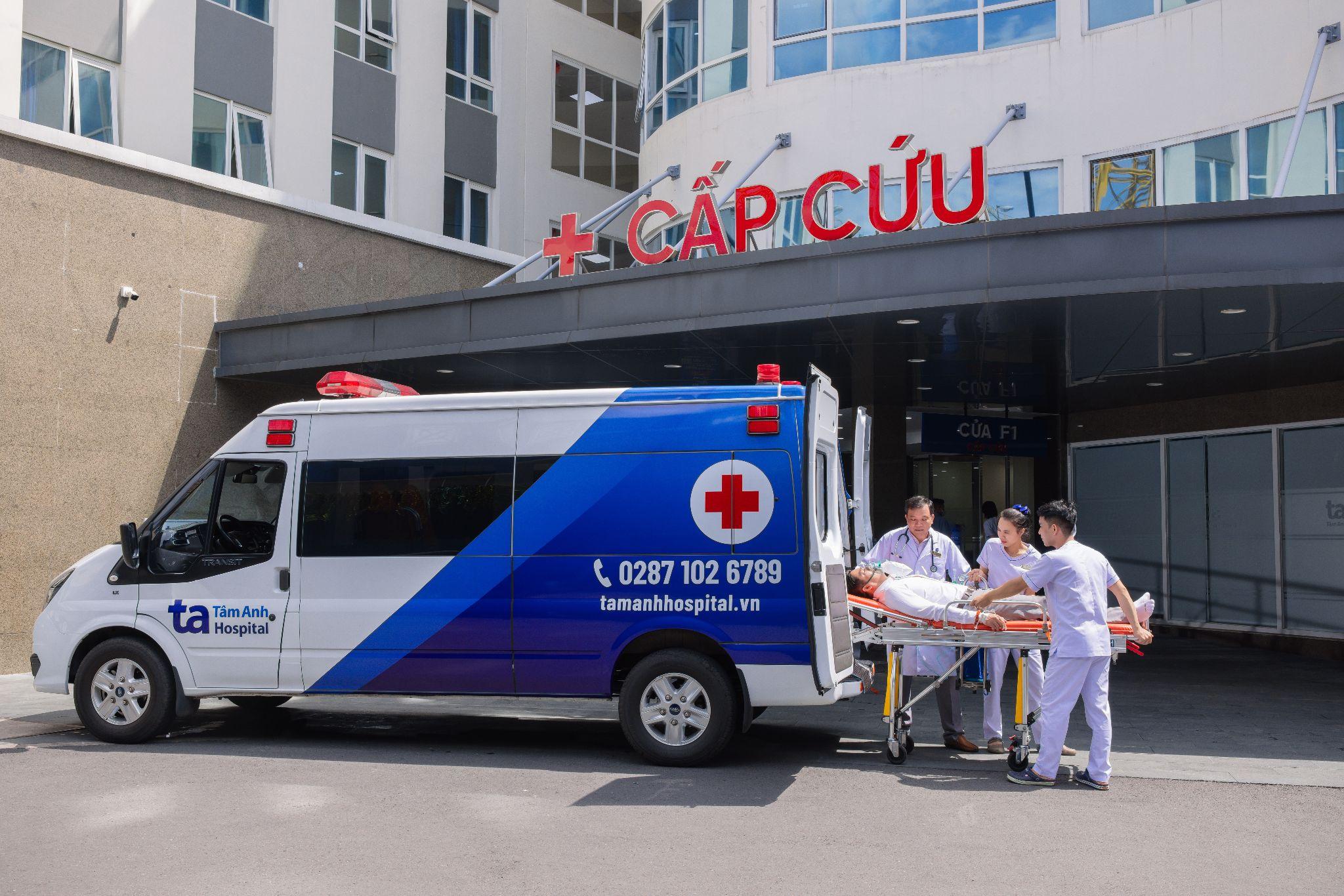 |
A patient receiving emergency care for myocardial infarction at Tam Anh General Hospital. Illustration: Trung Vu |
Patients who receive emergency care within the "golden hour"—the first one to two hours after the onset of chest pain symptoms—have a better prognosis for recovery and a reduced risk of recurrence.
It is vital to recognize the signs of a suspected myocardial infarction. These include severe chest pain (often described as crushing, tightening, or burning behind the breastbone, radiating to the throat, neck, both arms, between the shoulder blades, the upper abdomen, or upper jaw, lasting over 20 minutes), shortness of breath, and nausea. If these symptoms appear, the patient should go to the hospital immediately. Under no circumstances should folk remedies or hot oil massages be used during an acute myocardial infarction.
Dr. Nguyen Minh Chau, Master of Science, First-Degree Specialist
Interventional Cardiology Center
Tam Anh General Hospital, Ho Chi Minh City
| Readers can submit questions about cardiovascular diseases here for a doctor's response. |