Pharyngitis is an inflammation of the throat's mucous membrane, causing soreness, itching, coughing, and discomfort when swallowing. Symptoms include persistent sore throat, dryness, an itchy sensation, difficulty swallowing, dry cough or productive cough, and sometimes voice changes accompanied by fever.
The condition can stem from viruses, bacteria, allergies, dry cold air, or gastroesophageal reflux disease. Cold weather does not directly cause pharyngitis but creates conditions for pathogens like viruses and bacteria to attack, as cold air dries out the nasal and throat mucous membranes, reducing the immune system's resistance.
If pharyngitis is viral and the patient has a strong immune system, the condition often improves on its own within about one week without medication. During this time, patients should rest, eat nutritious meals, drink warm water, and gargle with physiological saline solution to help alleviate symptoms.
However, if pharyngitis is bacterial, it typically does not resolve on its own. Patients must take antibiotics at the correct dosage and for the prescribed duration as directed by a doctor. Do not stop medication prematurely when symptoms lessen, as this can lead to antibiotic resistance. Home care can also help reduce discomfort, such as gargling with physiological saline solution daily, drinking warm lemon-honey water, supplementing with vitamin C-rich fruits, and keeping the neck warm.
 |
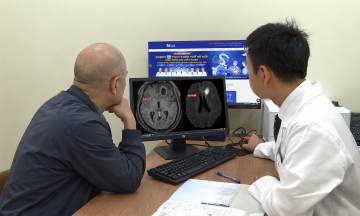
Doctor Ngoc advises a patient. Illustration: Tam Anh General Hospital |
Patients should consult an ear, nose, and throat specialist promptly if symptoms persist or if they experience high fever, severe sore throat, difficulty swallowing, breathing difficulties, swollen neck lymph nodes, or a rash. This ensures timely treatment and prevents complications such as peritonsillar abscess, pneumonia, or sepsis.
Given your history of recurrent pharyngitis in cold weather, you should seek a medical examination. A doctor can perform an endoscopy to identify the underlying cause and recommend appropriate treatment. To reduce the risk of recurrence, keep your throat warm, avoid sudden exposure to cold, limit cold beverages, maintain nasal and throat hygiene, and ensure you are fully vaccinated.
You should also limit exposure to dust, cigarette smoke, and individuals with respiratory infections. Wearing a mask in crowded places, eating a balanced diet, getting adequate rest, and exercising regularly also help boost your immune system.
Nguyen Duc Ngoc, Doctor of Medicine, Level II Specialist
Ear, Nose, and Throat Center
Tam Anh General Hospital Ho Chi Minh City
| Readers can submit questions about ear, nose, and throat conditions here for a doctor's response. |