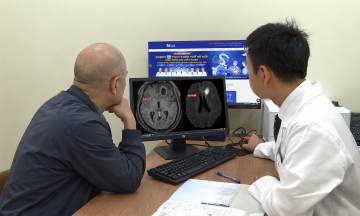
Dr. Luu Thuy Quynh, a master of science and level one specialist in endocrinology at Central Military Hospital 108, explained that type 2 diabetes often develops without obvious symptoms. Many individuals remain unaware of any issues for extended periods, only discovering the condition once complications affecting the cardiovascular system, kidneys, eyes, or nerves have already emerged.
Some initial signs are non-specific and easily overlooked. Identifying these changes can prompt individuals to seek medical attention and enable earlier detection of blood sugar imbalances.
Increased thirst, frequent urination
While increased thirst and frequent urination are classic diabetes symptoms, they are often subtle in the early stages. Individuals might notice they drink more water than usual, experience dry mouth, or wake up to urinate one or two times nightly.
These symptoms are often dismissed as effects of hot weather, caffeine consumption, or aging. However, when blood sugar levels are consistently elevated, glucose is expelled through urine, carrying water with it and increasing urine output. This dehydration then triggers the sensation of thirst.
Persistent fatigue, lack of energy
Easy fatigue, even without strenuous activity, reduced concentration, daytime sleepiness, or a prolonged feeling of low energy can also be warning signs. For those with insulin resistance, blood glucose levels rise, but cells cannot effectively use it. Consequently, the body experiences a cellular energy deficit.
As this is a non-specific symptom, individuals often attribute it to insufficient sleep, stress, or work pressure, rarely considering a blood sugar check.
Unusual weight changes
Type 2 diabetes can manifest with both weight loss and weight gain. Some individuals experience gradual, unintentional weight loss. When glucose cannot efficiently enter cells for energy, the body mobilizes fat and protein as alternative energy sources. This process can cause weight reduction, but it is slow and often unnoticeable.
Conversely, many gain weight, particularly around the abdomen. Insulin resistance prompts the body to produce more insulin to compensate, which also promotes fat accumulation, especially visceral fat. These gradual changes are often dismissed as normal effects of aging.
Recurrent infections, slow-healing wounds
Persistently high blood sugar can weaken the immune response, fostering the growth of bacteria and fungi. Individuals may experience recurrent skin infections, folliculitis, skin or genital fungal infections, gingivitis, or periodontitis. Even minor scratches might take longer than usual to heal.
These symptoms are often treated individually by different specialists, while an underlying blood sugar disorder may remain undetected.
Temporary blurred vision
Some individuals do not experience significant vision loss but rather intermittent blurred vision, difficulty focusing when reading or viewing distant objects, particularly late in the day. Elevated blood sugar can alter osmotic pressure within the eye's lens, impacting its accommodative ability. Prolonged high blood sugar can also damage small blood vessels in the retina.
As this symptom is painless and fluctuates, individuals often attribute it to eye strain, aging, or excessive screen time.
Dr. Quynh emphasized that type 2 diabetes can persist for extended periods without obvious symptoms. Consequently, the absence of unusual signs does not rule out the condition. Individuals aged 30 and above who are overweight, obese, physically inactive, have a family history of diabetes, or possess other risk factors should proactively undergo regular blood sugar checks as advised by a doctor.
Early detection provides individuals the opportunity to manage blood sugar and risk factors promptly, thereby reducing the risk of cardiovascular, kidney, eye, and nerve complications.
Le Nga