Upon arriving at Tam Anh General Hospital, Ho Chi Minh City, Diem weighed 95 kg and stood 1.55 m tall. She was diagnosed with grade two obesity, visceral fat 2.5 times above the safe threshold, menstrual irregularities, elevated liver enzymes, and type two diabetes. Doctor Lam Van Hoang, Head of the Department of Endocrinology and Diabetes, diagnosed her with binge eating disorder, recommending hospitalization to help her overcome the psychological trauma and establish new lifestyle and eating habits.
Diem's treatment involved oral and injectable medications designed to reduce appetite and decrease food intake. Simultaneously, a nutritionist developed a diet plan prioritizing fiber, reducing carbohydrates, and focusing on lean protein and healthy fats. She also received psychological counseling and monitoring to help control uncontrolled eating episodes.
 |
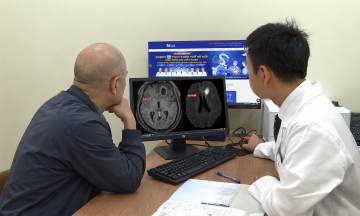
Dr. Hoang consults Diem on treatment. *Photo: Tam Anh General Hospital*
Once Diem's psychological state stabilized, doctors adjusted her treatment plan for outpatient care. Dr. Hoang advised her family to provide ongoing emotional support, which is crucial for controlling cravings and enhancing treatment effectiveness.
After 6 months of consistent effort, Diem lost 14 kg, experienced more regular menstruation, and saw a reduction in visceral fat. Her current goal is to return to her initial weight of 60 kg.
According to Dr. Hoang, binge eating disorder is a psychological eating disorder characterized by consuming large amounts of food in a short period. Individuals with this disorder often experience uncontrolled cravings and eat very quickly. It can negatively impact health, causing sudden weight gain, feelings of low self-esteem and anxiety, and an increased risk of metabolic disorder.
Duc Hanh
*Patient's name has been changed
| Readers can submit questions about endocrine diseases here for a doctor's response |