This recommendation comes from nutritionist Cao Man Man, a medical advisor at a major health information portal in Taiwan. Kidneys filter blood, remove waste, and maintain fluid balance daily. To maintain kidney health, a balanced diet is crucial, alongside regular health check-ups.
Cao Man Man highlighted four essential nutrient groups that help protect kidneys: omega-3 fatty acids, vitamin C, vitamin E, and polyphenols with plant biochemicals (phytochemicals). The expert also emphasized that a low-salt diet is an indispensable factor.
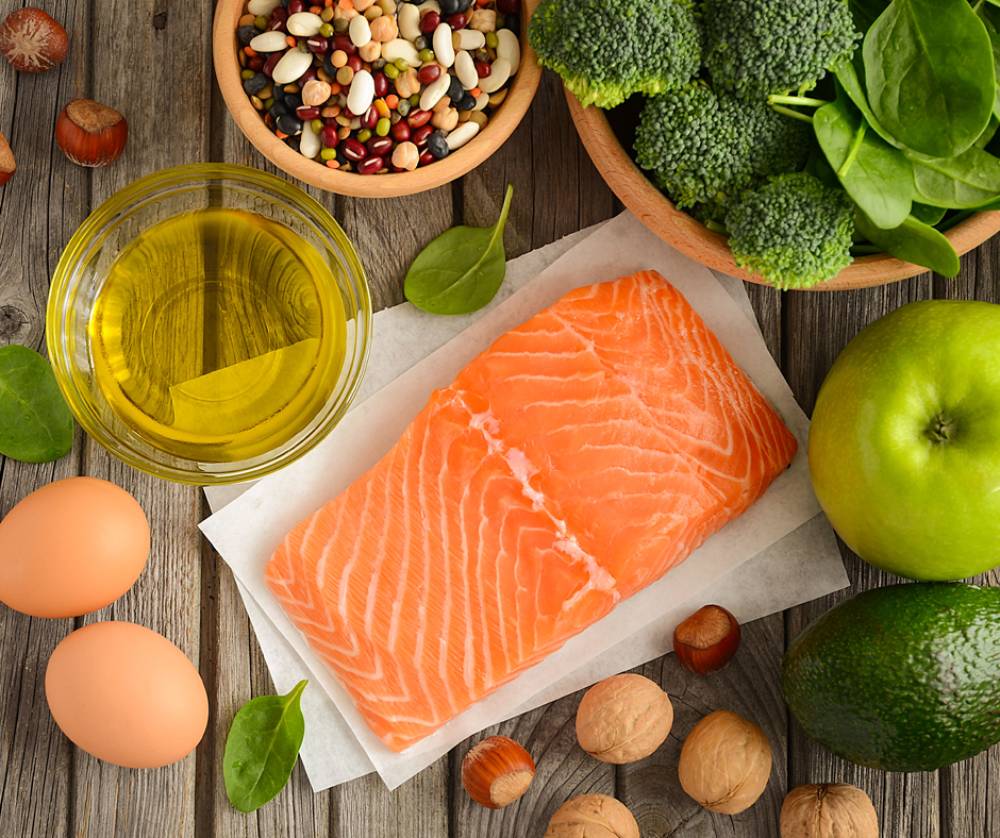 |
Image: America's Best Care Plus
Omega-3 fatty acids
This nutrient is abundant in deep-sea fish like salmon and mackerel, as well as in nuts and certain vegetable oils, notably walnuts. Omega-3 helps control inflammation, benefiting both kidney and cardiovascular health. Experts recommend diversifying fish types in meals and limiting deep-frying to avoid excessive unnecessary fats.
Vitamin C
With its strong antioxidant capacity, vitamin C helps reduce oxidative stress—an imbalance between free radicals and antioxidants that causes cell damage—in the kidneys. Readers can easily supplement vitamin C through fruits such as guava, kiwi, and strawberries, or vegetables like bell peppers and cauliflower. Rather than focusing on one specific food, consuming a variety of fruits and vegetables provides a richer and more comprehensive source of nutrients.
Vitamin E
Vitamin E is found in almonds, sunflower seeds, hazelnuts, avocados, and vegetable oils. This nutrient protects cell membranes, helping to minimize oxidative damage in the kidneys. However, while nutritious, nuts are calorie-dense. People need to control their daily portions to avoid excess energy intake.
Polyphenols and plant biochemicals (phytochemicals)
Blueberries, grapes, apples, green tea, and purple cabbage are foods rich in polyphenols or phytochemicals—natural compounds with antioxidant properties. The nutritionist advises eating a diverse range of colorful fruits and vegetables to absorb all these nutrients.
In addition to supplementing these nutrients, a low-sodium diet is crucial for kidney health. People can easily achieve this by reducing soup consumption, limiting seasonings and dipping sauces, and avoiding processed foods. When purchasing packaged foods, everyone should carefully check the sodium content on the nutrition label. A low-salt eating habit helps control blood pressure, prevents fluid accumulation in the body, and reduces the burden on the kidneys.
No "miracle food" alone can protect the kidneys. The most important thing is to maintain a balanced diet, control salt intake, and undergo regular health check-ups.
Individuals with kidney disease, proteinuria (protein in the urine, indicating kidney damage), or high levels of potassium and phosphorus in their blood must strictly follow their doctor's instructions. In such cases, adjusting the intake of fruits, nuts, beans, and protein must be based on individual kidney function and test results. Proactively adjusting one's diet according to medical guidance is the most effective measure to protect the kidneys.
 |
Nutritionist Cao Man Man. Photo: Nutritionist Cao Man Man Fanpage
Binh Minh (According to Taiwan People News)