At the Center for Reproductive Assistance, Tam Anh General Hospital Hanoi (IVF Tam Anh), an ultrasound revealed Ms. Mai had a 1x2 cm submucosal fibroid protruding into her uterine cavity. She also had other subserosal fibroids, endometriosis on her left ovary, and diminished ovarian reserve.
According to Dr. Dang Tuan Anh, submucosal fibroids deform the uterine cavity, hindering embryo implantation and making natural conception difficult. Delaying treatment further reduces oocyte quantity and quality. Moreover, embryo transfer into an unsuitable uterine cavity significantly lowers implantation success.
Doctors recommended in vitro fertilization (IVF) to create embryos first, maximizing the optimal reproductive window. This would allow for a comprehensive uterine assessment and treatment of multiple fibroids before embryo transfer. Following ovarian stimulation, Ms. Mai produced 6 oocytes, leading to two good quality day 5 embryos that were cryopreserved.
Given the patient's multiple fibroids in various locations, Dr. Tuan Anh utilized 3D fibroid mapping ultrasound. This technique creates a three-dimensional image for a comprehensive uterine view. Using transvaginal ultrasound results, doctors examined the uterus in the midsagittal plane and acquired volumetric data. Specialized software then processed this data to reconstruct the uterine image.
Artificial intelligence (AI) assists in identifying the endometrium and fibroids. After measuring their size, the system automatically positions them within the 3D framework, generating a "fibroid map". Each fibroid is marked by its anatomical position, size, and its protrusion into the uterine cavity or depth within the muscle layer. This data allows doctors to differentiate between fibroids that could impact embryo implantation and those that can be monitored without immediate intervention.
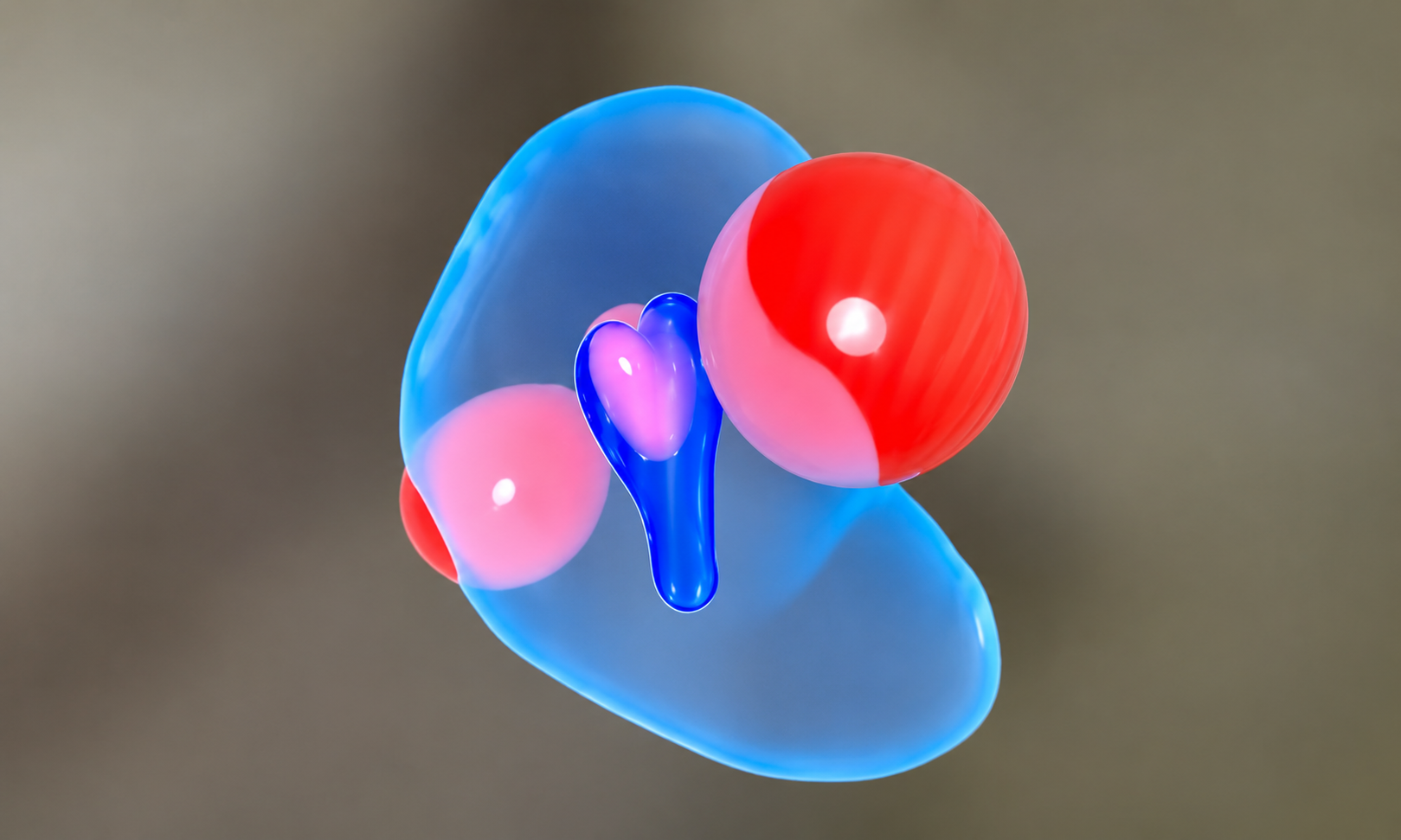 |
3D image of Ms. Mai's uterine cavity and fibroids. Photo: Tam Anh General Hospital. |
3D image of Ms. Mai's uterine cavity and fibroids. Photo: Tam Anh General Hospital.
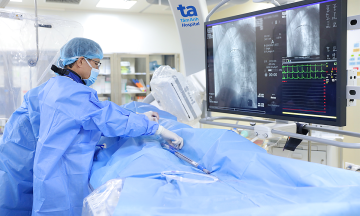
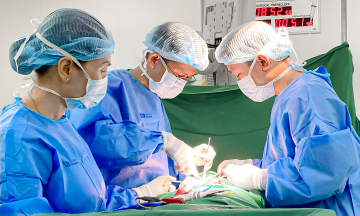
Ms. Mai underwent hysteroscopic surgery to remove submucosal fibroids. This was combined with laparoscopic surgery to excise large uterine fibroids and endometriomas from her ovary. The surgery aimed to create a more favorable uterine environment for embryo implantation, while maximally preserving healthy tissue and reproductive function.
With her uterine cavity "reconstructed", Ms. Mai had an immediate successful embryo transfer. Her pregnancy progressed smoothly, culminating in the birth of a healthy baby boy.
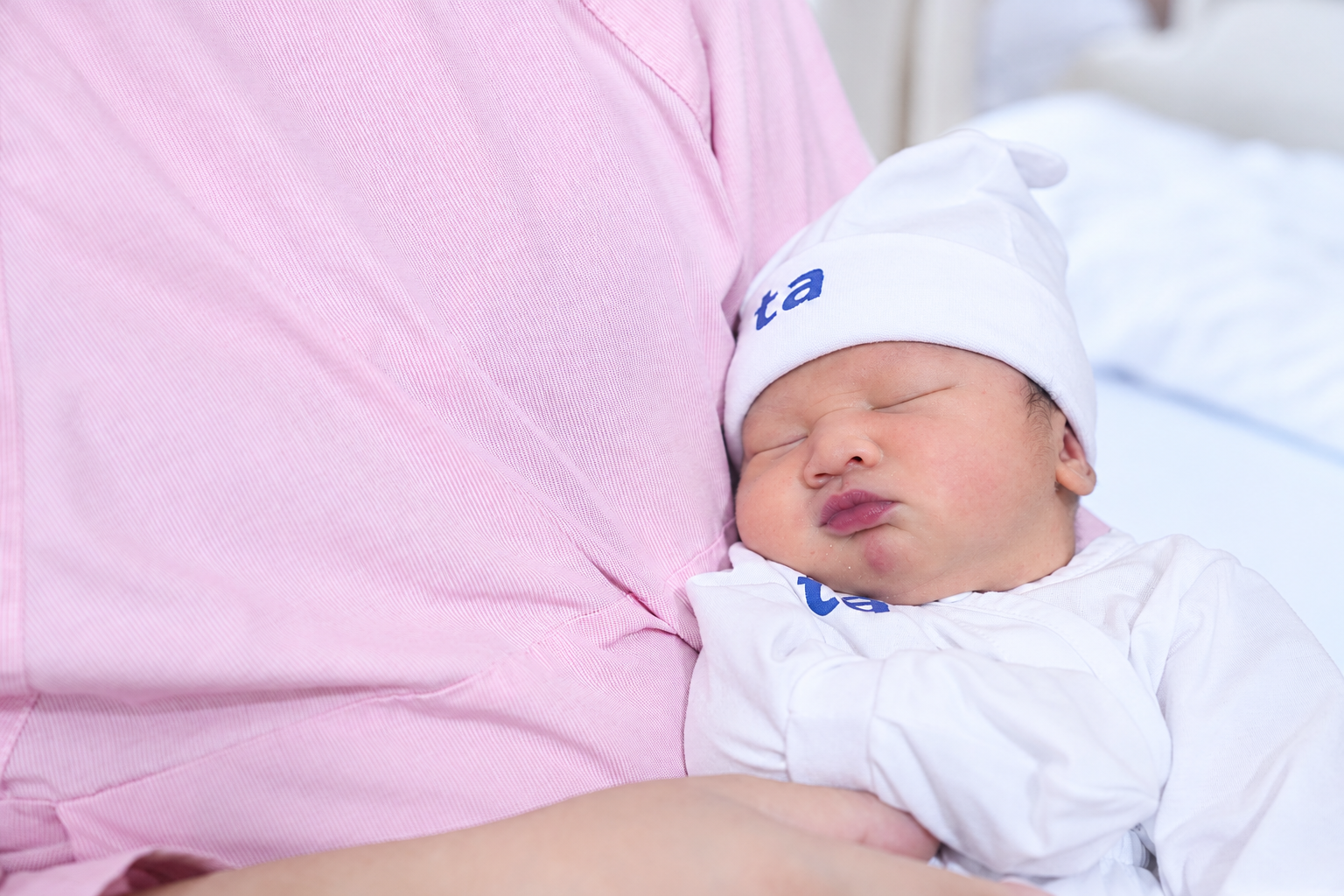 |
Ms. Mai's son was born healthy. Photo: Tam Anh General Hospital. |
Ms. Mai's son was born healthy. Photo: Tam Anh General Hospital.
Uterine fibroids are benign tumors, affecting 70-80% of women. However, not all fibroid cases cause infertility or necessitate surgery. Treatment depends on the fibroid's location, size, number, the degree of uterine cavity deformation, symptoms, and the individual's reproductive plans. Submucosal fibroids, or those that deform the uterine cavity or affect the embryo implantation area, can reduce conception rates and increase the risk of miscarriage, premature birth, or other pregnancy complications.
Dr. Tuan Anh noted that 3D fibroid mapping ultrasound assists in selecting the optimal treatment for uterine fibroids, particularly for women undergoing fertility assistance.
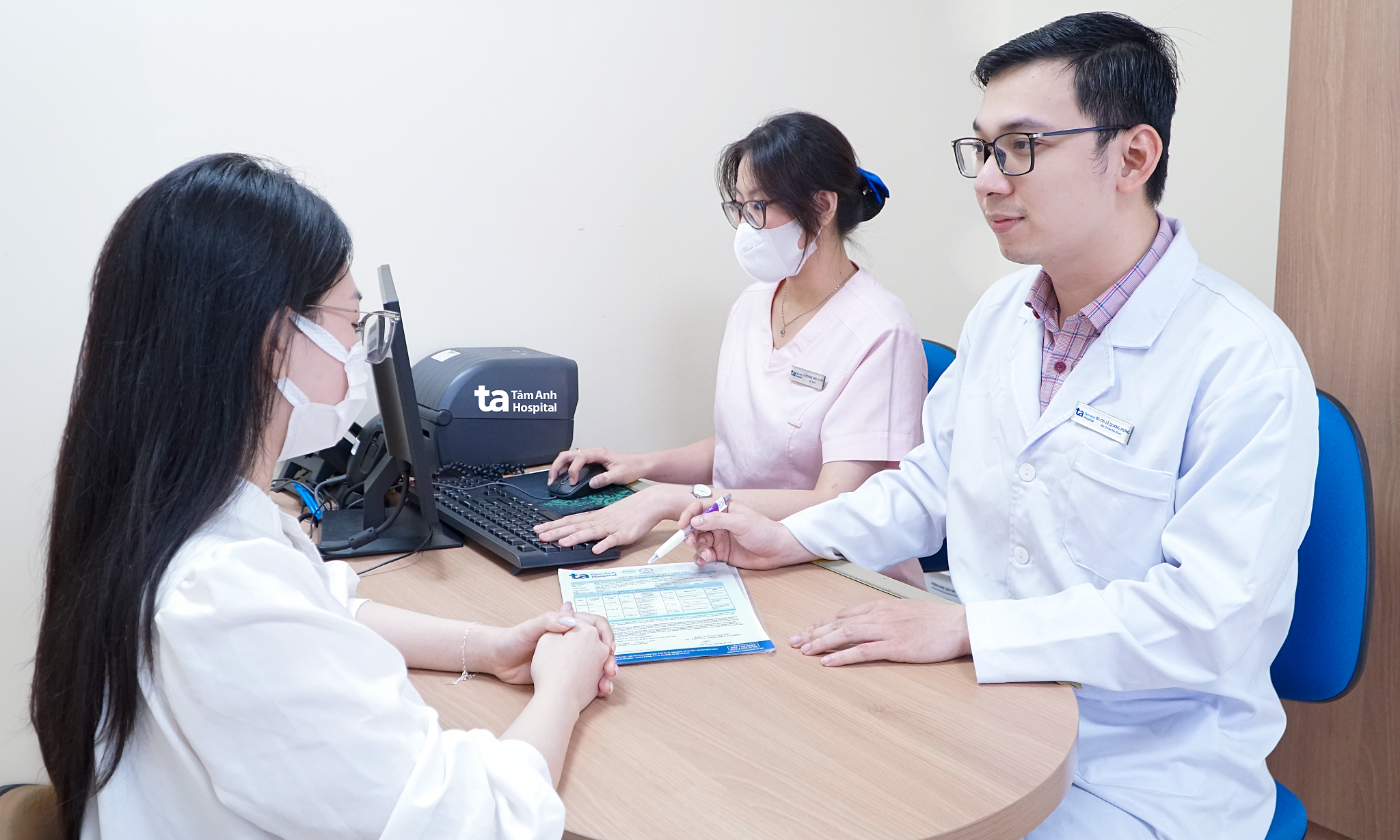
Women experiencing infertility, recurrent miscarriages, prolonged heavy bleeding, pelvic pain, or diagnosed with uterine fibroids should seek early specialized consultation. This ensures appropriate treatment and prevents further impact on their ability to conceive.
Van Anh
| Readers can submit questions about infertility here for doctors to answer. |