Answer:
Numbness and coldness in the feet are symptoms easily overlooked or confused with common musculoskeletal aches. However, these can be early warnings of peripheral artery disease (PAD), a serious vascular condition. PAD occurs when atherosclerotic plaques accumulate, narrowing the blood vessels and obstructing blood flow to the legs. The risk of developing this disease typically increases in older adults, individuals with sedentary lifestyles, smokers, and those with underlying conditions like hypertension, diabetes, or dyslipidemia.
In its early stage, PAD symptoms are often subtle. Individuals may notice their feet consistently feel colder than the rest of their body, accompanied by numbness, tingling, or muscle fatigue during movement. This sensation arises because the blood supply to the leg muscles is insufficient to meet activity demands. Many people mistakenly attribute these signs to aging, cold weather, or prolonged sitting causing sluggish circulation, thereby missing the critical window for early diagnosis and treatment.
Your father's symptoms of numb, tired, and cold feet are very likely indicative of peripheral artery disease. You should arrange for him to have a medical examination soon to check his vascular system. Timely intervention can address any abnormalities and prevent dangerous complications such as skin ulcers or limb gangrene.
To accurately determine the cause, a doctor may order specialized tests such as an ankle-brachial index (ABI) measurement, Doppler ultrasound, or CT angiography. These procedures help assess the extent of blood flow, the location, and the size of any narrowed vessel segments, allowing for a suitable treatment plan.
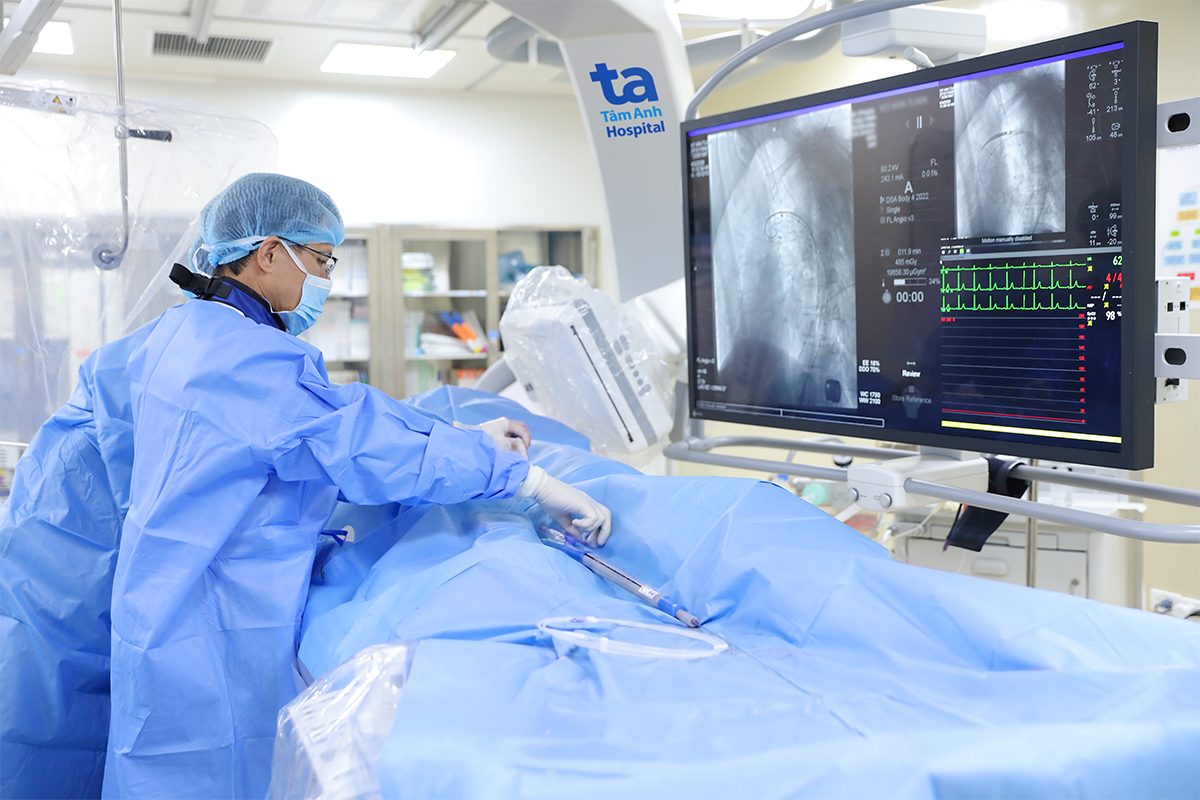 |
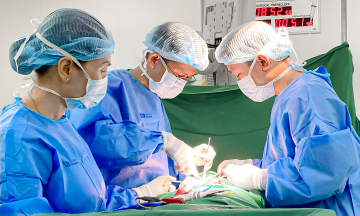
Associate Professor Vu Huu Vinh performs a stent placement for a patient with peripheral artery disease. Photo: Tam Anh General Hospital |
If PAD is detected at an early stage, patients typically receive medical treatment combined with lifestyle modifications. Doctors prescribe medications to support anticoagulation and control dyslipidemia, blood pressure, and blood sugar. Patients must quit smoking, adopt a healthy, low-fat diet, and engage in moderate exercise, such as walking, to stimulate the development of collateral blood vessels to nourish the legs.
If peripheral artery disease is in a severe stage, when patients experience distinct intermittent claudication or are at risk of tissue necrosis, doctors may recommend minimally invasive intervention or surgery. Modern techniques such as balloon angioplasty, arterial stent placement, or vascular bypass surgery can fully restore blood flow to the legs. The advantages of these methods include reduced pain and rapid recovery.
Associate Professor, Doctor Vu Huu Vinh
Director, Center for Thoracic and Vascular Surgery
Tam Anh General Hospital, TP HCM
| Readers can submit questions about cardiovascular disease here for a doctor's response. |