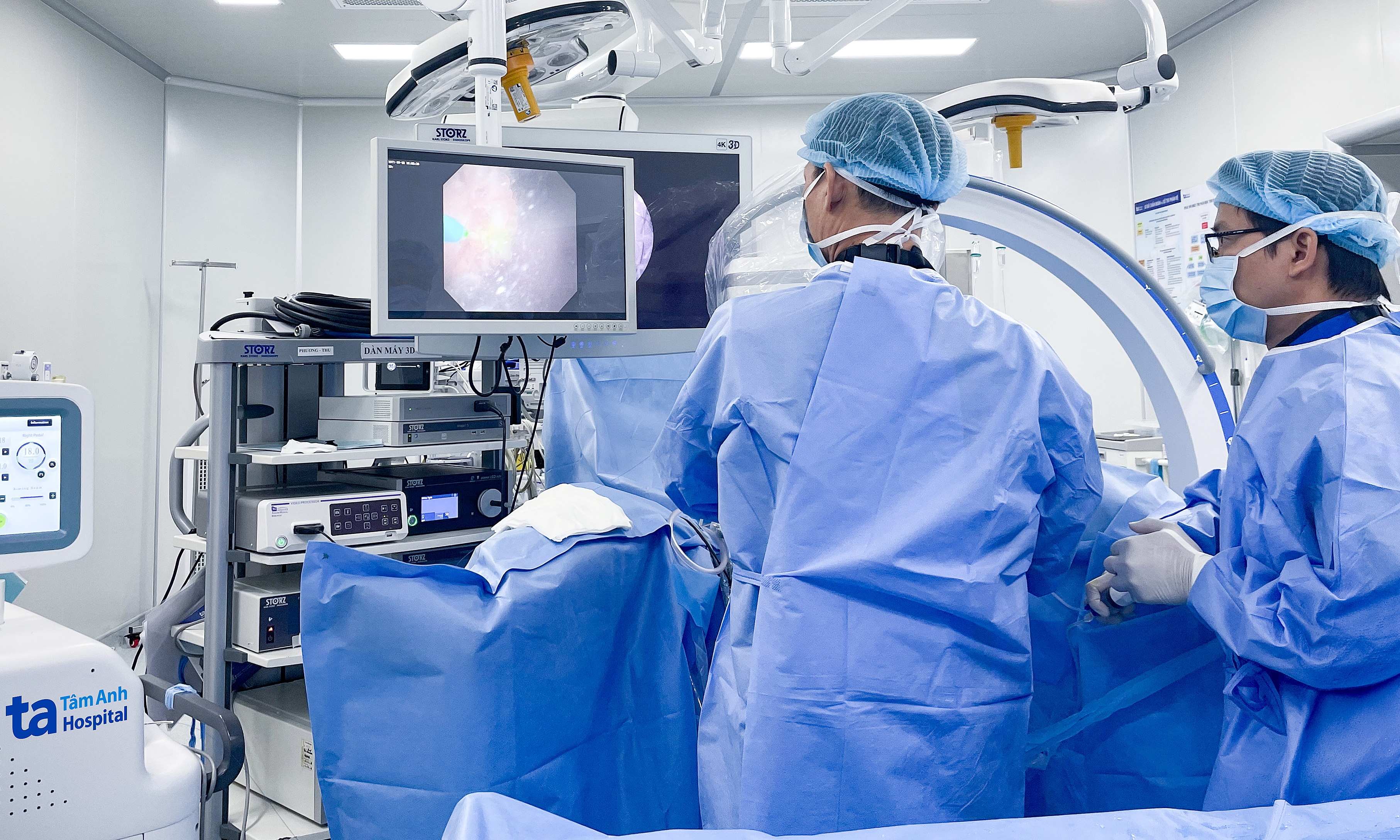
Doctor Nguyen The Thu, from the Oncology Department, Tam Anh Hanoi Hospital, reported that Mr. Chien experienced prolonged bloating. A gastric endoscopy and computed tomography scan revealed a fungating ulcerated mass, 7 cm in diameter, with irregular borders. A biopsy confirmed invasive adenocarcinoma. The patient underwent a partial gastrectomy, removal of invasive tissues in the liver, and lymph node dissection. The remaining part of his stomach was connected to the small intestine using the Roux-en-Y method, re-establishing the digestive tract for food passage.
Post-surgery, the patient recovered well, with normal eating and bowel movements.
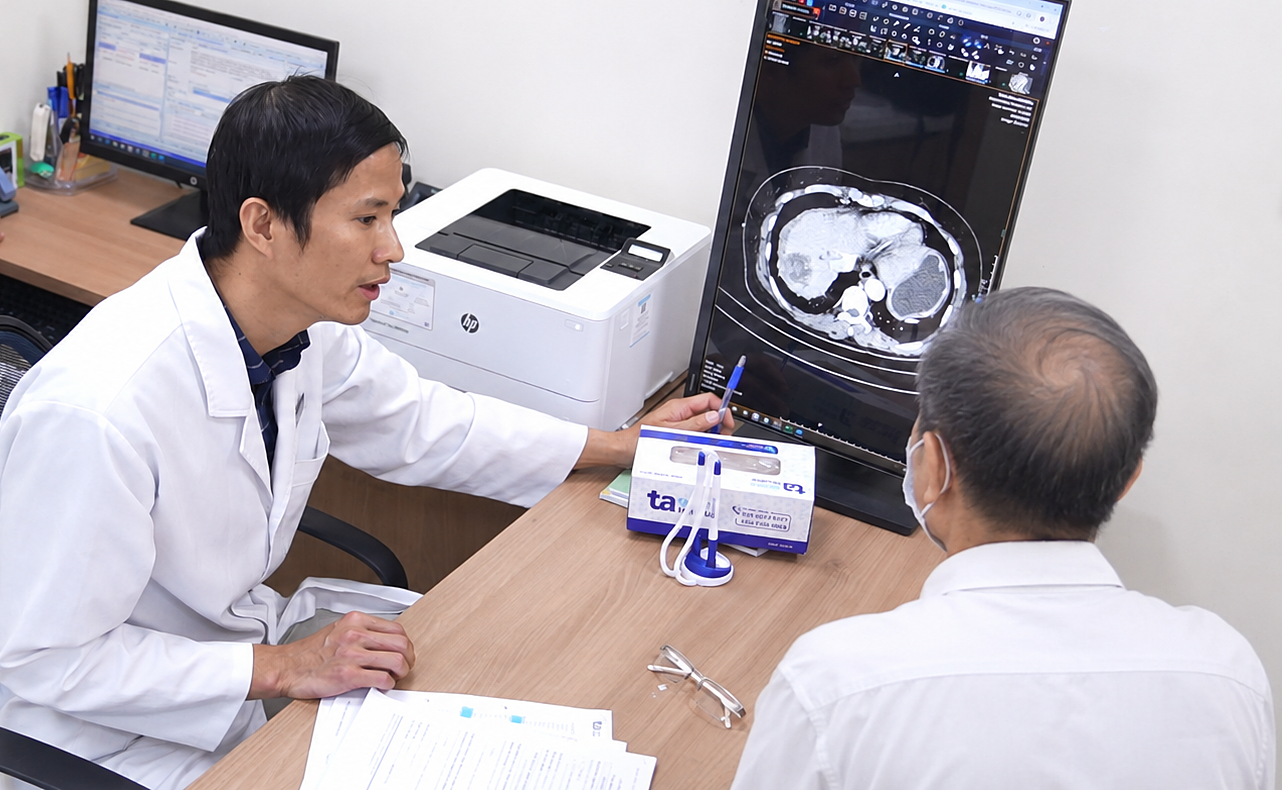 |
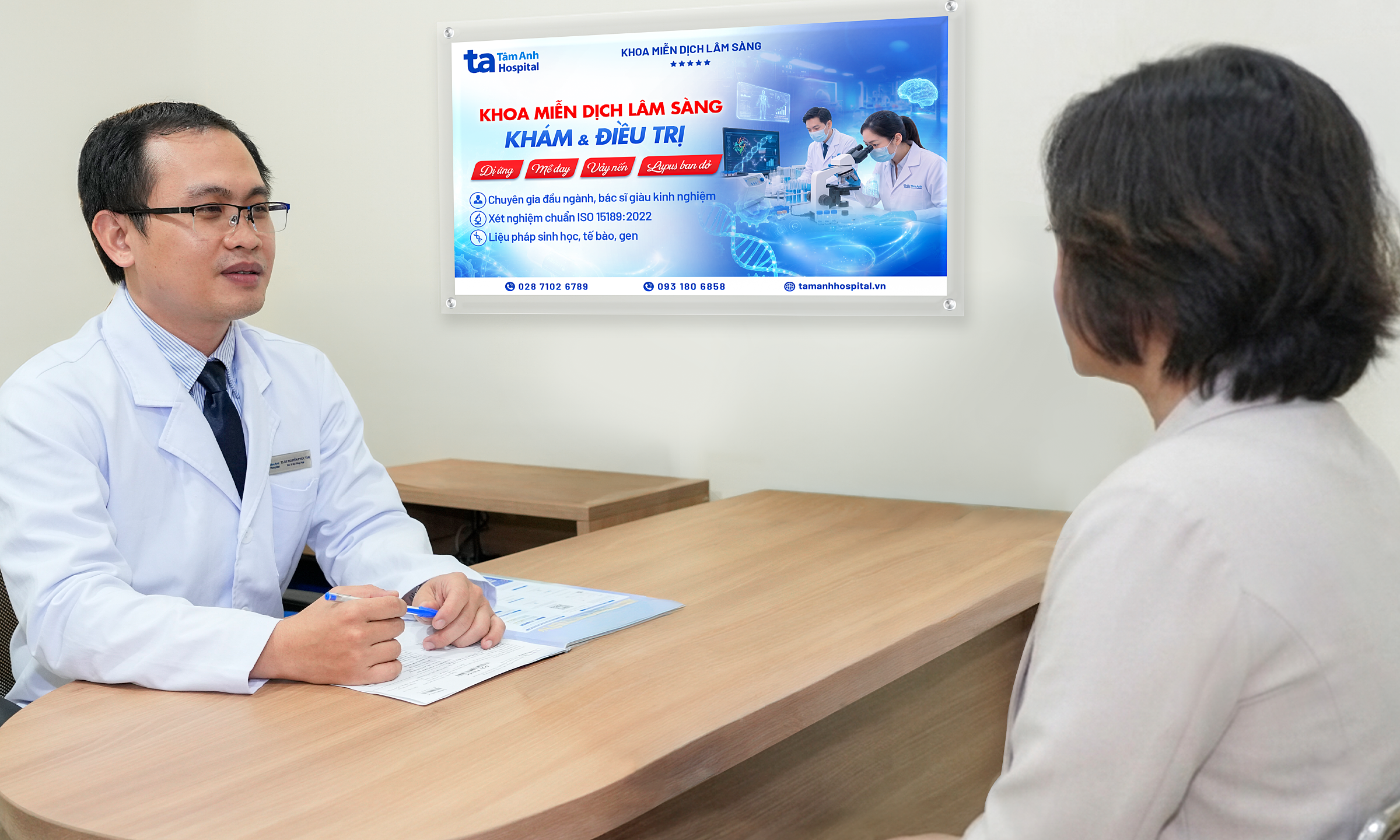
Doctor The Thu consulting on post-surgical treatment strategy for Mr. Chien. *Photo: Tam Anh General Hospital* |
According to Doctor Thu, Mr. Chien's stomach cancer had invaded the liver and metastasized to the lymph nodes, necessitating adjuvant treatment with a two-chemotherapy regimen. This approach aims to eradicate microscopic cancer cells that might remain after surgery, thereby reducing the risk of recurrence.
After 4 cycles of chemotherapy, a follow-up CT scan showed no signs of recurrence. However, by the end of the 8th cycle, a lesion approximately 96x56 mm appeared in the porta hepatis region, along with abnormal lymph nodes, the largest measuring about 31x20 mm.
Recognizing the disease's tendency for recurrence, chemotherapy resistance, and rapid progression, Doctor The Thu and his team convened to re-evaluate the patient's overall condition and the tumor's biological characteristics to determine the next treatment approach.
Doctor Thu explained that after surgery, some cancer cells might have existed in a microscopic form, too small to be detected by imaging, and could have continued to develop silently. Cancer cells within the same tumor are not entirely identical. Some cell groups might possess biological characteristics that make them less sensitive and resistant to chemotherapy regimens, allowing them to continue growing.
Molecular biological test results indicated that the tumor exhibited high microsatellite instability. The doctors decided to switch to an immunotherapy regimen, aiming to neutralize the PD-L1 protein on cancer cells, thereby helping the immune system recognize and destroy the tumor cells.
After 4 cycles of immunotherapy, a CT scan showed that the recurrent lesion in the porta hepatis region and the abdominal lymph nodes had decreased in size. The patient's appetite improved, he gained weight, pain symptoms reduced, and he responded well to the medication.
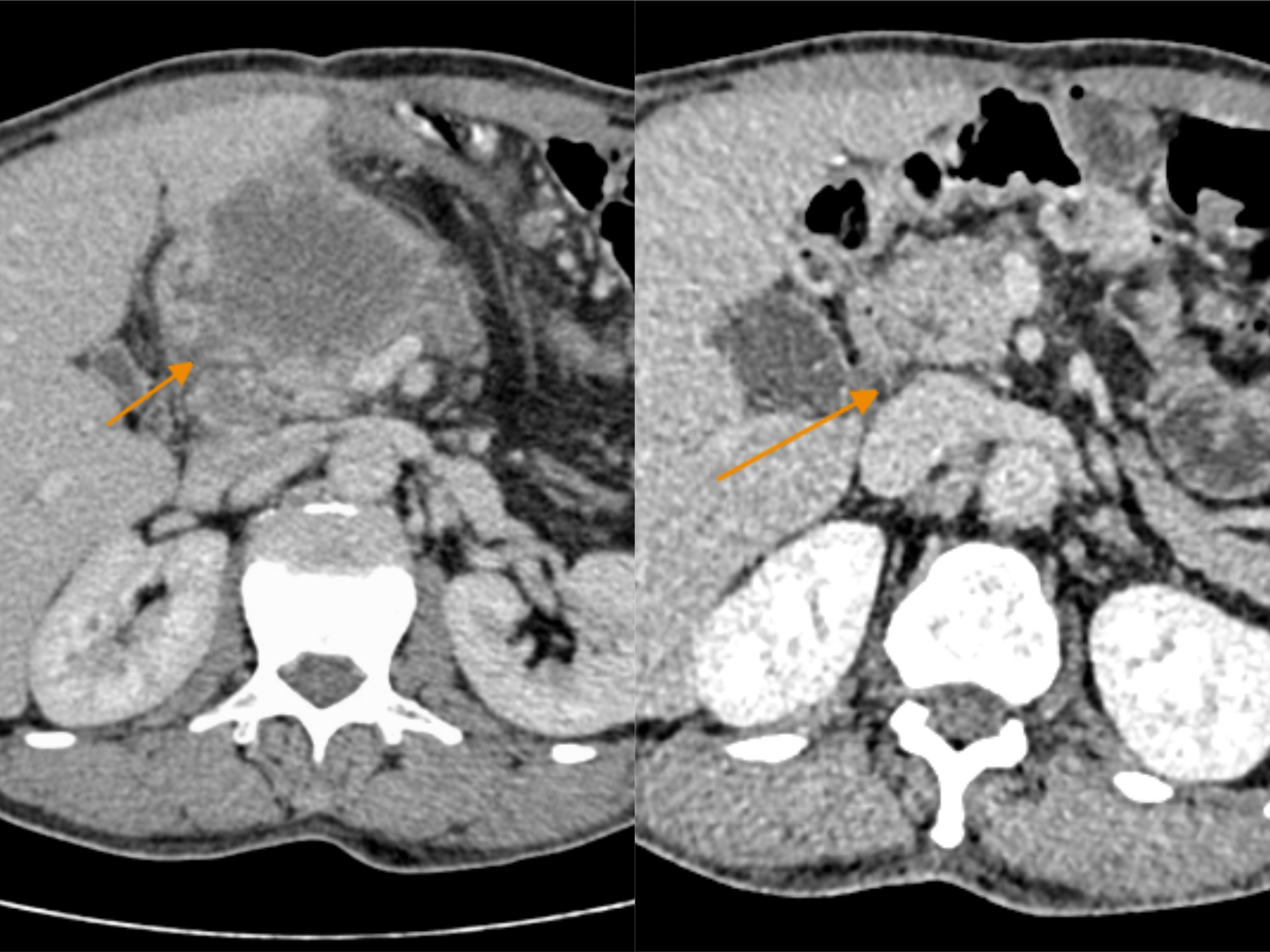 |
Lesions in the porta hepatis region and abdominal lymph nodes regressed after 4 cycles of immunotherapy (right). *Photo: Tam Anh General Hospital* |
Stomach cancer can progress silently, with non-specific symptoms such as bloating, indigestion, and loss of appetite often being overlooked. By the time distinct symptoms appear, the tumor may have grown deep into the stomach wall or invaded adjacent organs, making treatment more complex.
Doctor Thu advises individuals experiencing persistent abnormal digestive symptoms to seek medical examination for evaluation and diagnosis. Once diagnosed, patients require a comprehensive assessment of the disease stage and the tumor's biological characteristics to ensure appropriate treatment.
Hieu Nguyen
| Readers can submit questions about cancer here for doctors to answer. |