Celery is beneficial for individuals managing high blood pressure, primarily due to its rich potassium content. According to Very Well Health, potassium is a vital mineral that regulates blood pressure by counteracting sodium's effects. High sodium intake causes the body to retain more water, increasing blood volume and pressure on vessel walls. Potassium helps eliminate excess sodium through urine, contributing to stable blood pressure. Consequently, diets rich in potassium-containing foods are often recommended for those at risk of hypertension.
Celery contains plant compounds called phthalides, which promote relaxation of blood vessel walls. When these walls relax, blood vessels widen, improving blood flow and reducing internal pressure. This mechanism helps in blood pressure control.
Celery is a source of antioxidants, including vitamin C and flavonoids. These compounds help mitigate oxidative stress, a condition that can damage the endothelium, the inner lining of blood vessels. A healthy endothelium ensures blood vessels remain flexible, which is crucial for regulating blood pressure and lowering the risk of cardiovascular diseases. Eating antioxidant-rich foods offers long-term health benefits, as reported by Eating Well.
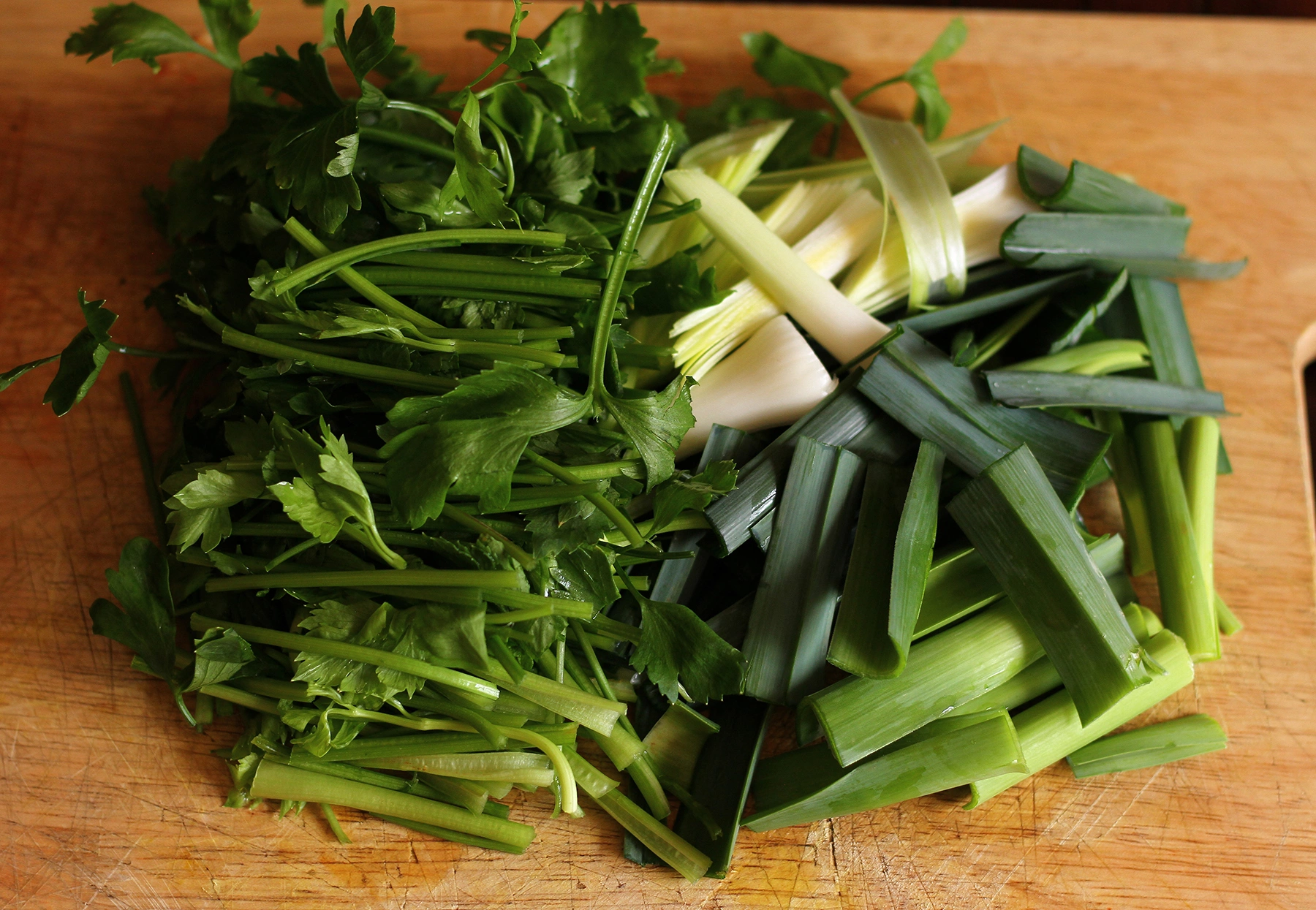 |
Celery contains many compounds beneficial for blood pressure. Photo: Bui Thuy |
Celery contains many compounds beneficial for blood pressure. Photo: Bui Thuy
Celery's high fiber content aids in weight management. Adequate fiber intake promotes satiety, helping control weight and improve lipid metabolism. Being overweight or obese, and having high cholesterol, are risk factors for hypertension. Including fiber in your diet helps mitigate these risks.
Low in calories yet rich in water and micronutrients, celery is an excellent choice for weight management. For individuals who are overweight, even modest weight loss can significantly improve blood pressure. Substituting high-energy foods with vegetables like celery supports cardiovascular health.
For optimal blood pressure balance, a diet rich in green vegetables, fruits, whole grains, and potassium-rich foods like bananas, avocados, and sweet potatoes is recommended. It is equally important to limit salt, processed foods, and saturated fats. Lifestyle factors such as regular exercise, adequate sleep (7-8 hours), stress management, maintaining a healthy weight, moderate alcohol consumption, and avoiding smoking are also crucial for blood pressure control.
Le Nguyen (Compiled)
| Readers can send questions about cardiovascular disease here for doctors to answer. |