Not all instances of shortness of breath and rashes upon perfume exposure indicate a fragrance allergy. Doctors first need to determine if you are truly allergic to a specific ingredient in the fragrance or if the scent merely triggers an existing, poorly managed allergic condition.
For instance, individuals with bronchial asthma may experience shortness of breath and wheezing when inhaling perfume or strong-smelling chemicals. Similarly, those with hives may develop rashes and itching after exposure to certain triggers. In these cases, the scent is not necessarily the allergen but can act as a trigger for an acute flare-up of the condition.
If you have uncontrolled underlying conditions like asthma, hives, or rhinitis, continuous exposure to triggers can lead to recurring symptoms, impacting daily life and quality of life. With asthma, breathing difficulties may occur more frequently when the condition is poorly controlled. Therefore, one should not only avoid perfume but also ensure proper treatment of the underlying condition.
Perfumes and scented products often contain various ingredients. If a true allergy is suspected, doctors will review the types of products, the timing of symptom onset, and may order appropriate investigations based on clinical presentation. If allergic contact dermatitis due to fragrance is suspected, a skin patch test can identify the allergen.
 |
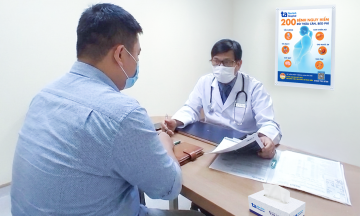
Doctor Tan consults a patient. Illustration: Tam Anh General Hospital. |
If fragrance triggers asthma, rhinitis, or hives, the primary goal is to effectively control the underlying condition while limiting factors that cause symptoms to flare up. When the condition is controlled, the severity of reactions to irritants may also decrease. If a patient is identified as genuinely allergic to a specific agent, doctors will advise on avoidance strategies and select suitable treatment methods.
Individuals who frequently experience shortness of breath, hives, or other symptoms upon exposure to perfumes, cosmetics, or scented chemicals should seek medical examination to determine the correct cause, avoid excessive restrictions, and ultimately control the condition and improve their quality of life.
Doctor Nguyen Phuc Tan
Department of Clinical Immunology
Tam Anh General Hospital, Ho Chi Minh City
| Readers can send questions about dermatology - skin aesthetics here for doctors to answer. |