Limited outdoor activity in children can lead to several health and developmental issues, including poor bone and muscle development, an increased risk of overweight and metabolic diseases, and compromised mental well-being.
According to Health Shots, outdoor activity promotes healthy bone and muscle development. Weight-bearing activities like running, jumping rope, or climbing stairs increase bone density and support height growth. Morning sunlight helps the body synthesize vitamin D, a vital nutrient for calcium and phosphorus absorption. If children rarely go outside, their risk of vitamin D deficiency increases, impacting bone and tooth development.
Moreover, reduced physical activity outdoors increases the risk of overweight and metabolic diseases. Outdoor activities such as running, jumping, cycling, or playing ball engage multiple muscle groups, improving stamina and motor coordination. Conversely, prolonged screen time fosters a sedentary lifestyle, increasing the risk of weight gain and metabolic issues as children grow.
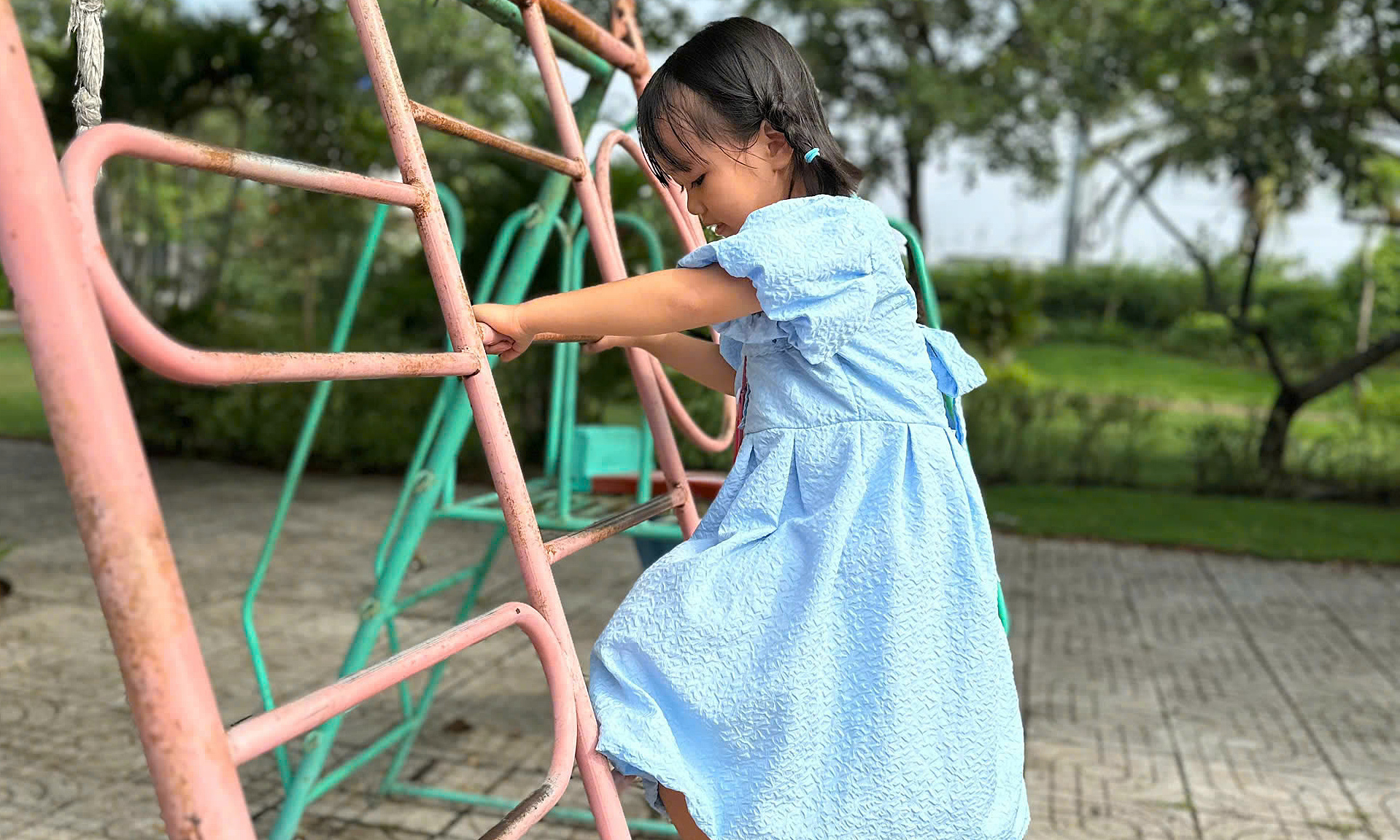 |
Children engaging in outdoor activity benefits physical and mental health. Kim Uyen
Poor sleep quality is another consequence of limited outdoor time. Limited exposure to natural light and physical activity during the day can disrupt a child's circadian rhythm. This can make it difficult for them to fall asleep in the evening, lead to restless sleep, or cause frequent awakenings. Outdoor physical activity helps the body expend energy appropriately and supports melatonin production, the hormone that regulates sleep. Consequently, children often fall asleep more easily and sleep better.
Mental health and concentration may also decline. Outdoor environments offer positive brain stimulation through movement, light, and nature. When children spend less time outside, their sedentary indoor time increases, potentially leading to boredom, stress, or irritability. Physical activity also helps the body release endorphins, neurotransmitters that create feelings of happiness and relaxation. Children who play outdoors generally have better concentration, memory, and emotional regulation, according to Times of India.
Furthermore, the immune system may function less effectively. Exposure to outdoor environments provides children with opportunities for physical activity, fresh air, and interaction with natural elements. These experiences contribute to immune system development. Conversely, if children remain in enclosed spaces for extended periods, their overall health may suffer, especially when combined with an unbalanced lifestyle.
Finally, limited motor and communication skills can result from a lack of outdoor play. Outdoor play strengthens health and develops important skills. When running, jumping, climbing, or playing group games, children learn balance, hand-eye coordination, and agile reflexes. This also provides opportunities for children to communicate and play with peers. Lacking these activities, children may have less confidence in communication or experience delayed development of basic motor skills.
By Le Nguyen (Compiled)
| Readers can submit questions about children's health here for doctors to answer. |