Eng English
China 中国人

Eng English
China 中国人
  • News
  • World
  • Business
  • Entertainment
  • Sports
  • Law
  • Education
  • Health
  • Lifestyle
  • Travel
  • Science
  • Digital
  • Automobiles
  • Trở lại Thể thao
  • Health
Thursday, 3/9/2026 | 16:12 GMT+7

Patient discharged 24 hours after kidney stone removal

After suffering from prolonged lower back pain, 45-year-old Ninh underwent flexible ureteroscopic lithotripsy via the urethra, leading to discharge within 24 hours.

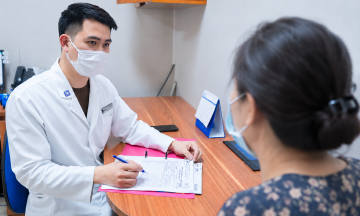
A CT scan at Tam Anh General Hospital, TP HCM, revealed a 12 mm right kidney stone in Ninh's lower calyx, which had not yet caused hydronephrosis. Dr. Nguyen Tan Cuong, Deputy Head of Urology and Head of the Urological Oncology Unit at the Urology - Nephrology - Andrology Center, Tam Anh General Hospital, TP HCM, prescribed flexible ureteroscopic lithotripsy (RIRS), opting against a ureteral sheath during the procedure.
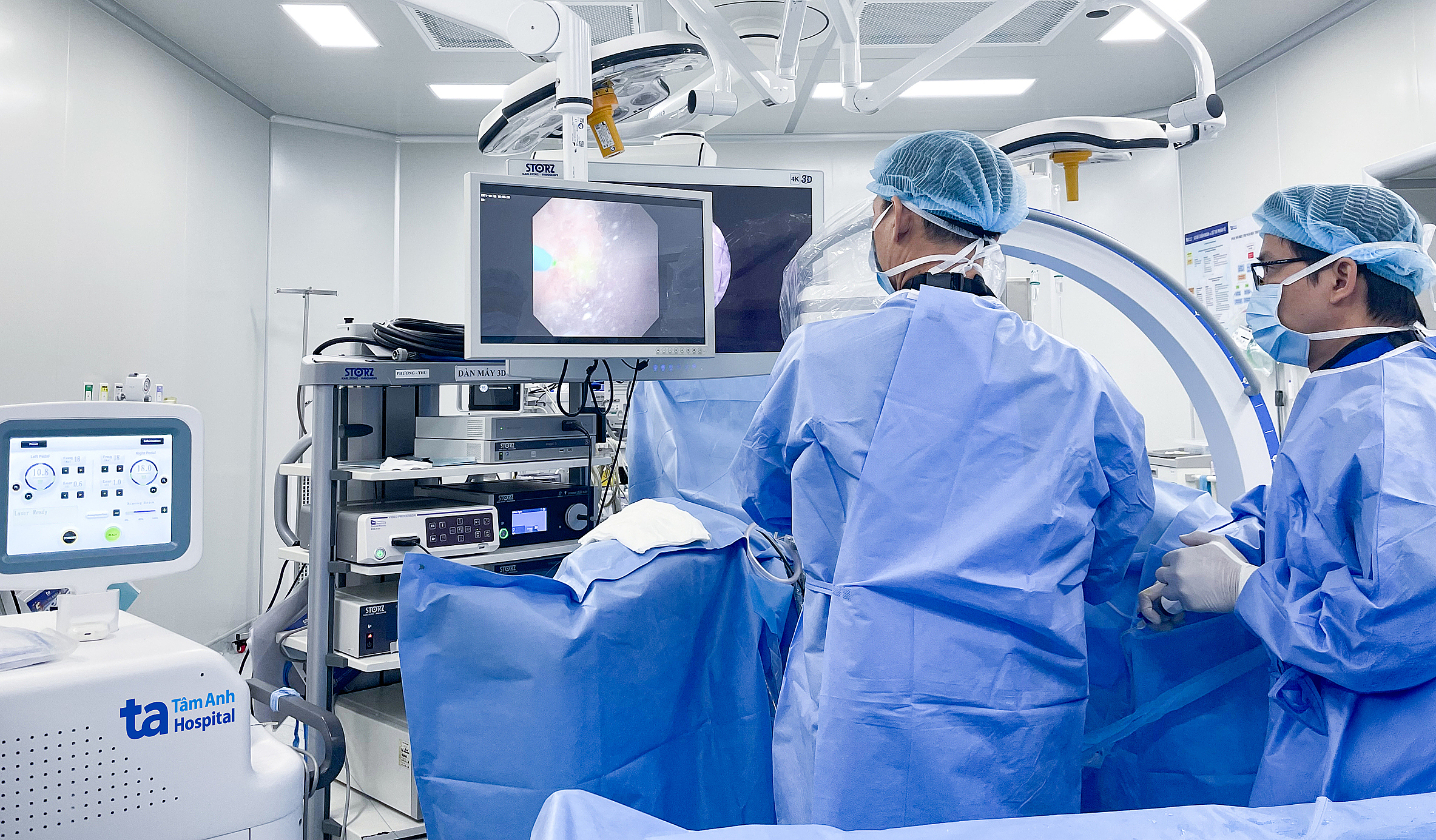
The medical team performed flexible ureteroscopy to remove stones via the natural urinary tract for Ninh. Photo: Tam Anh General Hospital

Dr. Cuong explained that a ureteral sheath helps guide instruments to the kidney and creates an outflow for irrigation fluid. However, if a patient's ureter is suitable, not narrow, and allows safe passage of the flexible scope, doctors may choose not to use this device. This approach avoids potential ureteral damage from sheath placement, especially in patients who have not had a ureteral stent previously, and reduces costs.

Doctors must carefully manage irrigation flow and pressure within the renal collecting system throughout the procedure to minimize complications from elevated pressure. Currently, this technique treats stones smaller than 2 cm, a shift from previous practices where a ureteral sheath was used for all cases.

Guided by a C-arm system, which provides high-resolution, real-time X-ray images, Dr. Cuong precisely controlled the flexible scope. He located stones in hard-to-reach areas, such as the lower renal calyx, while protecting surrounding healthy tissue. This retrograde lithotripsy method, performed via the natural urinary tract, avoids incisions, minimizes invasiveness, and reduces patient pain. Upon reaching the stone in the lower calyx, Dr. Cuong used laser energy to fragment it into small pieces, which were then extracted with specialized instruments.

Ninh was alert, able to walk, eat, and perform light activities 12 hours after the procedure, and discharged within 24 hours. Dr. Cuong explained that because the flexible ureteroscopy involves no incision and accesses stones through the natural urinary tract, patients recover quickly. This is a significant improvement over percutaneous nephrolithotomy, which typically requires 2-3 days of hospitalization, or traditional open surgery, which necessitates 5-7 days. Patients are advised to drink 2-2,5 liters of water daily to help pass any remaining small stone fragments and to attend follow-up appointments for a complete evaluation of their urinary system.

Urinary stones are a common condition in Vietnam, affecting an estimated 2-12% of the population, with kidney stones accounting for 40% of cases. The condition often progresses silently, with symptoms such as renal colic, flank pain, hematuria, or dysuria only appearing when stones grow, move into the ureter, or cause obstruction. The most dangerous complication is infection, which can impair kidney function.

Dr. Cuong warned that stones tend to recur if risk factors like low water intake, a diet high in salt and animal protein, or metabolic disorders are not well-managed. Individuals with a history of kidney stones should proactively adjust their lifestyle and attend regular check-ups for early detection of abnormalities and timely intervention.

Ha Thanh

*Patient's name has been changed

Readers can ask questions about kidney disease here for doctors to answer
By VnExpress: https://vnexpress.net/xuat-vien-sau-24-gio-tan-soi-than-5116140.html
Tags: kidney stones kidney stone lithotripsy

News in the same category

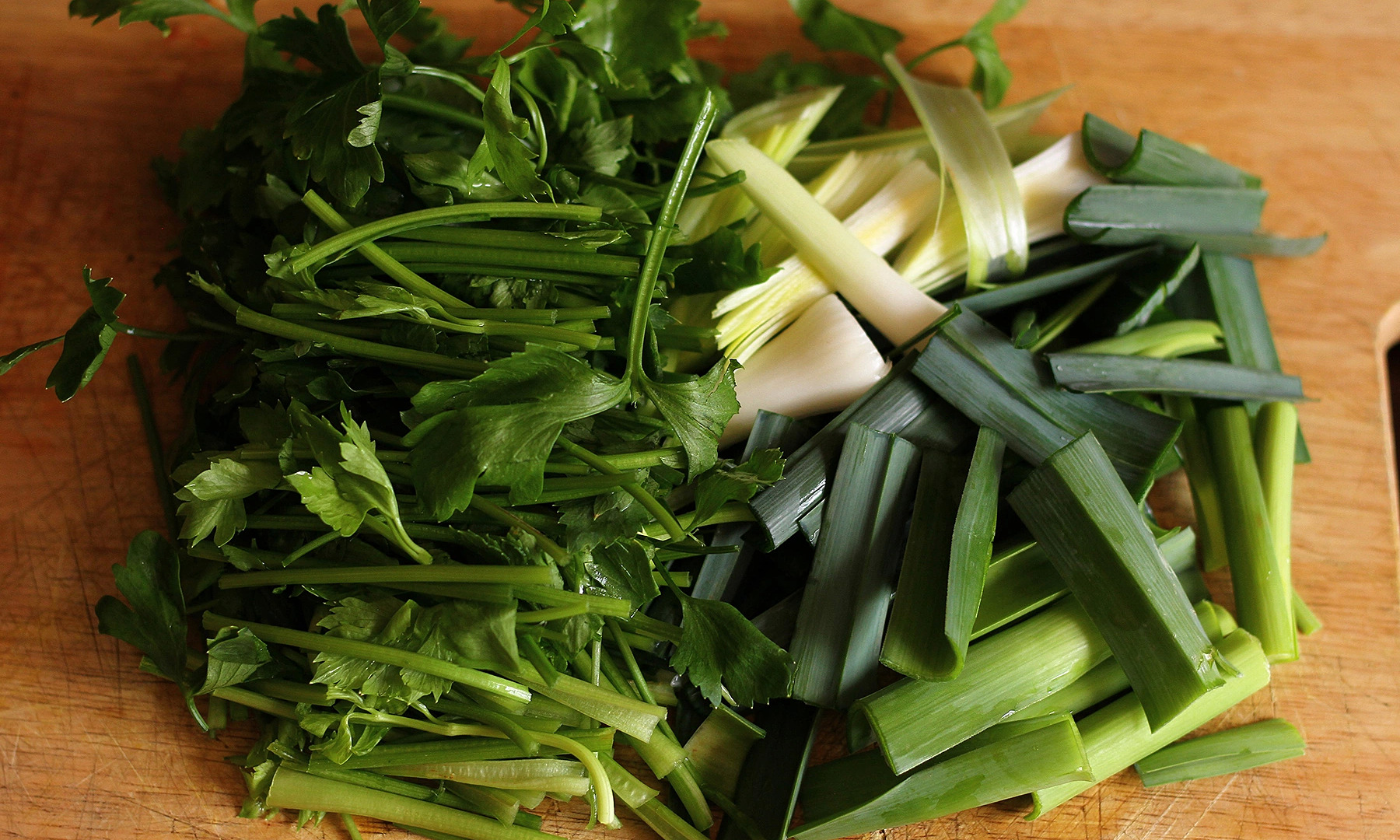
Why is eating celery good for blood pressure?

Why is eating celery good for blood pressure?

Celery is rich in potassium and fiber, which helps balance sodium and potassium, supports blood circulation, and maintains stable blood pressure when combined with a healthy diet.

Changing treatment regimen for refractory stomach cancer

Changing treatment regimen for refractory stomach cancer

Mr. Chien, 65, with metastatic stomach cancer, underwent surgery and adjuvant chemotherapy before switching to an immunotherapy regimen when signs of drug resistance appeared.

What happens when children have limited outdoor activity?

What happens when children have limited outdoor activity?

Children with limited outdoor activity may gain weight easily, lack vitamin D, experience vision impairment, and have poor sleep.

How to clean leafy greens to protect your family from harmful chemicals?

How to clean leafy greens to protect your family from harmful chemicals?

Following reports of napa cabbage being soaked in cancer-causing formaldehyde, a Taiwanese nutritionist offers guidance on proper preparation to eliminate toxic residues and safeguard families.

Common vegetarian diet mistakes can harm the liver

Common vegetarian diet mistakes can harm the liver

Consuming too little protein but too many carbohydrates from rice, vermicelli, and pho, and prioritizing fried or stir-fried dishes in vegetarian meals, can easily lead to excess energy and liver fat accumulation.

Secrets to a 100-year lifespan from a former American university professor

Secrets to a 100-year lifespan from a former American university professor

At a hundred years old, Charley Pritchett regularly attends university, swims weekly, and exercises his mind to maintain mental clarity and physical resilience for many years.

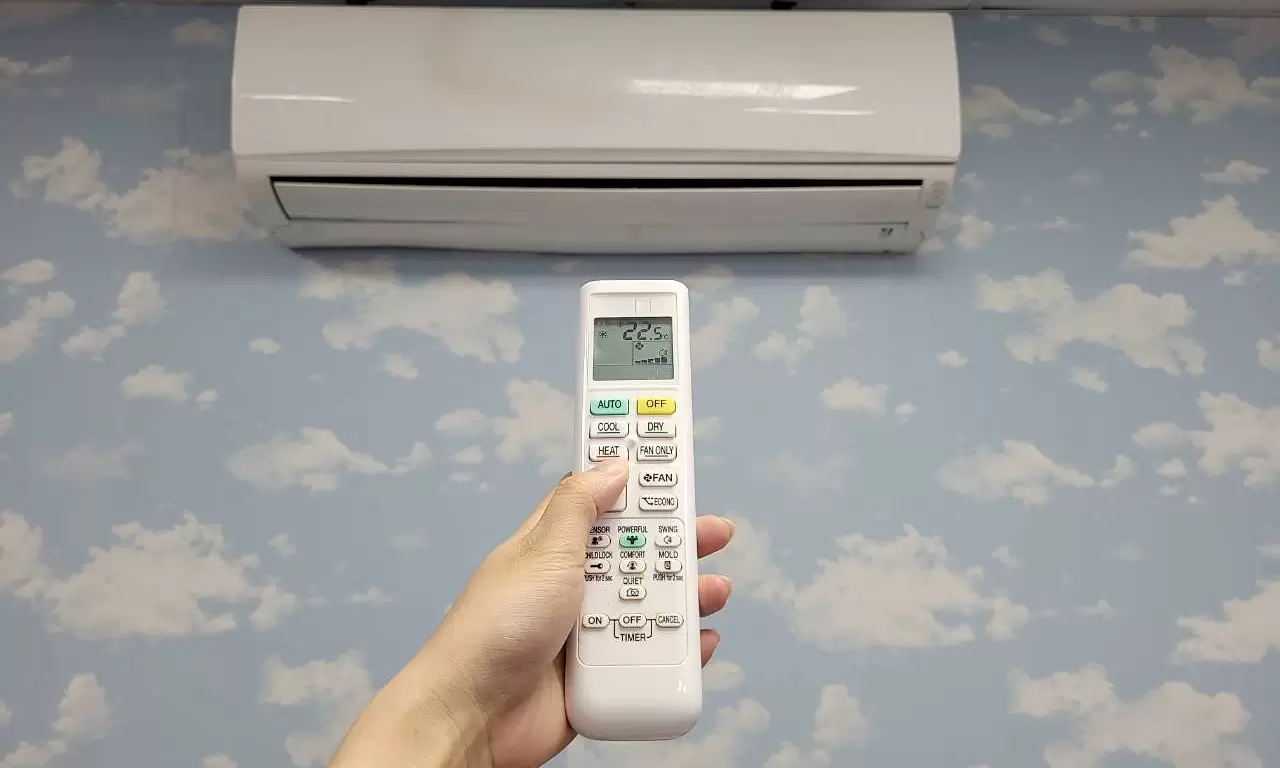
Four tips for sleeping in air-conditioned rooms

Four tips for sleeping in air-conditioned rooms

Avoiding direct airflow to the face, maintaining humidity, and regularly cleaning the air conditioner and bedroom help protect respiratory health.

Why do I experience shortness of breath and rashes when smelling perfume?

Why do I experience shortness of breath and rashes when smelling perfume?

I often feel short of breath and develop rashes when I smell perfume or am exposed to strong scents. Is this due to a fragrance allergy or a sign of another condition? (My Lan, 35, Dong Nai)

Three benefits of fatty fish for eye health

Three benefits of fatty fish for eye health

Incorporating omega-3-rich fatty fish, especially those high in DHA and EPA, can help reduce inflammation, support retinal function, and alleviate dry eye symptoms.

Mistaking perimenopause for a molar pregnancy

Mistaking perimenopause for a molar pregnancy

Ms. Hoa, 49, experienced delayed menstruation and nausea, and a pregnancy test showed two lines, but doctors diagnosed a molar pregnancy.

Eng English
China 中国人
  • News
  • World
  • Business
  • Entertainment
  • Sports
  • Law
  • Education
  • Health
  • Lifestyle
  • Travel
  • Science
  • Digital
  • Automobiles
FPT Tower, 10 Pham Van Bach Street, Dich Vong Ward,
Cau Giay District, Hanoi, Vietnam
Email: contacts@vnportal.net
Tel: 028 7300 9999 - Ext 8556
Advertise with us: 090 293 9644
Register
© Copyright 2026 vnnow.net. All rights reserved.
Terms of use Privacy policy Cookies