A fiber-rich, low-saturated-fat vegetarian diet can support metabolism and help reduce fat accumulation in the liver. Fiber improves digestion, enabling the liver to function more effectively.
Master, doctor Doan Vinh Binh, from the Medical Information Center, Tam Anh General Hospital Ho Chi Minh City, notes that an unbalanced vegetarian diet can diminish benefits and increase harmful factors for the liver. This can cause kupffer cells (resident liver macrophages responsible for generating immune responses) to become overactive, releasing inflammatory substances such as leukotriene, interleukin, TNF-α, and TGF-β. This increases the risk of fatty liver, hepatitis, cirrhosis, and liver cancer.
According to doctor Binh, the most common mistake in vegetarian diets is nutritional deficiency coupled with excess energy. An unbalanced vegetarian diet often leads to a lack of protein, beneficial fats, vitamins, and minerals, while introducing excessive refined carbohydrates found in rice, noodles, vermicelli, pho, and processed vegetarian foods. This surplus of carbohydrates is converted into fat, leading to dyslipidemia and fatty liver over time.
 |
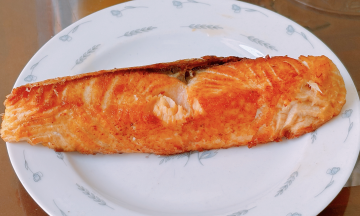
A proper vegetarian diet offers many benefits for health and liver function. Photo: Dinh Dieu |
A proper vegetarian diet offers many benefits for health and liver function. Photo: Dinh Dieu
A vegetarian diet lacking sufficient protein also reduces the synthesis of lipoproteins – complexes of fat and protein that transport fat out of the liver. Lipoprotein deficiency contributes to fat accumulation in the liver.
Prioritizing vegetarian dishes prepared by frying or stir-frying introduces high levels of saturated and harmful trans fats. This leads to an increase in "bad" LDL-c cholesterol and a decrease in "good" HDL-c cholesterol. Vegetarians also tend to consume many sweet fruits, which can easily increase sugar and energy intake. Excessive sugar consumption can promote fat synthesis, raising the risk of fatty liver.
Doctor Binh advises that to ensure health and protect the liver, people should balance the 4 essential nutrient groups: protein, fats, carbohydrates, and vitamins and minerals. Prioritize foods rich in plant protein, omega-3, and essential amino acids to improve liver function. Pay attention to supplementing calcium and vitamin D from suitable foods such as milk or dairy products, and plant-based milks.
Whole grains like brown rice, quinoa, and oats are rich in fiber and beneficial nutrients that slow carb absorption, promote satiety, and thus limit excess energy, benefiting metabolism and the liver. Vegetarians should choose colorful, low-sugar fruits and vegetables such as guava, apples, pears, oranges, dragon fruit, and grapefruit to supply minerals to the body with minimal impact on blood sugar.
Drink enough water, at least two liters daily, to support efficient liver function, maintain metabolism, and eliminate toxins. Adults should dedicate at least 30 minutes each day to physical exercise such as brisk walking, jogging, cycling, swimming, aerobics, yoga, and qigong.
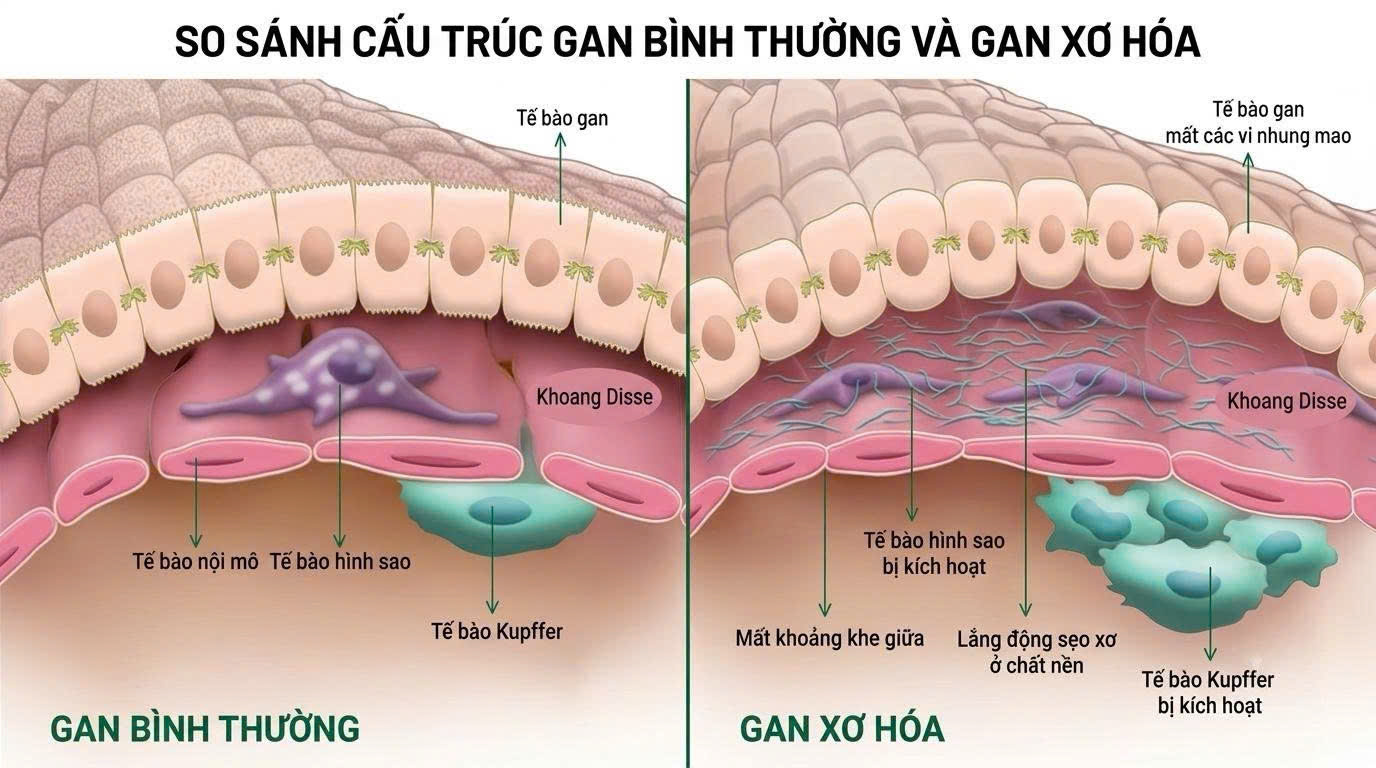 |
Simulation of normal liver tissue and fibrotic liver tissue due to overactive kupffer cells. Photo: Eco Pharmaceutical |
Simulation of normal liver tissue and fibrotic liver tissue due to overactive kupffer cells. Photo: Eco Pharmaceutical
According to doctor Binh, when kupffer cells are overactivated, they proliferate inflammatory substances, which is a key mechanism causing liver diseases. To control the activity of these cells, adults can supplement with natural wasabia and s.marianum extracts. Reducing the concentration of inflammatory substances can limit inflammation and liver damage, decrease cirrhosis, and enhance the regeneration of damaged liver cells.
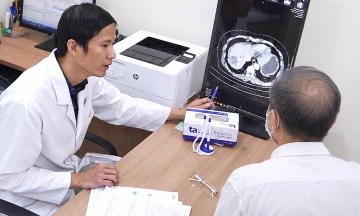
In addition to a scientific diet, everyone should undergo regular health check-ups and liver function assessments as prescribed by a doctor.
Thai Thanh
| Readers can send questions about digestive diseases here for doctors to answer. |