Many daily beverages, often considered simple refreshments, can actually be "kidney stone-forming ingredients" that accumulate in the body. According to Doctor Hung Yung-hsiang, a nephrology expert with over 20 years of clinical experience, one in 10 people in Taiwan suffer from kidney stones, and the recurrence rate within 5 years is up to 50%. The primary reason for this recurring condition lies in the types of drinks consumed daily.
Improper consumption of three common beverage groups is a key factor in the recurrence of kidney stones. Doctor Hung once treated a 40-year-old office worker who reported developing kidney stones at 30 years old. This was the fourth recurrence within 10 years. The most recent episode occurred a week prior when the patient experienced sudden, severe pain in the lower right back while climbing stairs, requiring emergency medical attention.
Tests revealed the patient's kidney was covered in tens of tiny, sand-like calcium oxalate stones, with the right kidney swollen and nearly failing. The patient rarely drank plain water, instead consuming strong tea daily as a substitute. According to the expert, this is not an isolated case, and anyone maintaining similar unhealthy drinking habits could become the next victim.
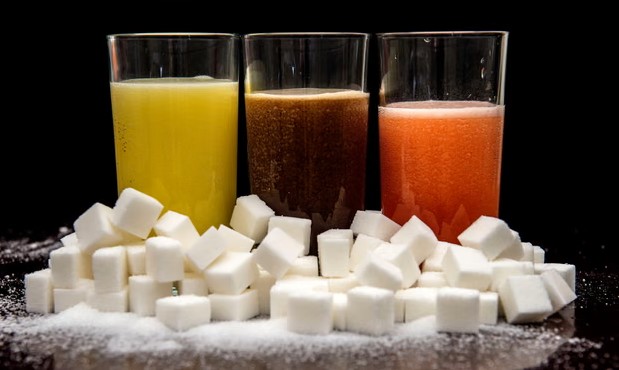 |
Illustrative photo: Anthony Devlin/PA |
Doctor Hung identified three groups of beverages that easily cause kidney stones. The first group includes sugary mixed drinks and canned fruit juices. The high fructose content in these products, once metabolized, directly promotes uric acid production. It also increases the excretion of calcium and oxalate through the urinary tract, accelerating kidney stone development.
The second group consists of dark carbonated soft drinks, such as cola. Cola contains a large amount of phosphoric acid, which significantly alters urine pH and is a common factor in accelerating kidney stone formation.
The third group includes strong tea, cocoa, and beer. Strong tea and cocoa have very high oxalate concentrations. Lactic acid, produced during beer metabolism, hinders uric acid excretion. Additionally, beer's diuretic effect leads to dehydration and severely concentrated urine.
To protect kidney health, Doctor Hung recommends three golden rules for diet and hydration. First, plain water remains the best choice. Adults should consume a daily water intake equivalent to 3-4% of their body weight to ensure urine output exceeds 2,000 cc. Urine that is "clear and pale yellow" indicates adequate hydration and good health.
Next, proper use of lemon water and fresh milk can also be highly effective. The citric acid in lemons can prevent calcium oxalate crystallization. Drinking a small amount of fresh milk with meals helps calcium bind with oxalate in the intestines, facilitating its excretion through feces, significantly reducing oxalate concentration in urine. Finally, for coffee and tea, consumers should dilute them with plenty of water and never drink large gulps on an empty stomach.
The doctor stated that kidney care is not overly complex; it begins with simple actions like reducing one sugary drink and increasing one glass of plain water daily. Everyone can proactively say goodbye to kidney stone pain starting today by changing their drinking habits.
Binh Minh (Source: SETN)