Anh Tuan's 8-year-old son, who is preparing for third grade in Hanoi, has been enrolled in a demanding summer program. Since early summer, his wife registered him for classes in mental math, English, handwriting, chess, and swimming. The boy attends a learning center during the day and continues with homework in the evening. When he works slowly, loses focus, or makes mistakes, his mother often grows impatient, urging him to try harder, emphasizing the family's investment in time and money. By early august, she eagerly inquired about the school's centralized study schedule, hoping her son could start school early.
Anh Tuan contends that the intense schedule leaves his son with insufficient time for rest and play. Conversely, his wife worries the child will forget knowledge and struggle to keep up with peers in the new school year. These differing perspectives frequently lead to arguments between the couple.
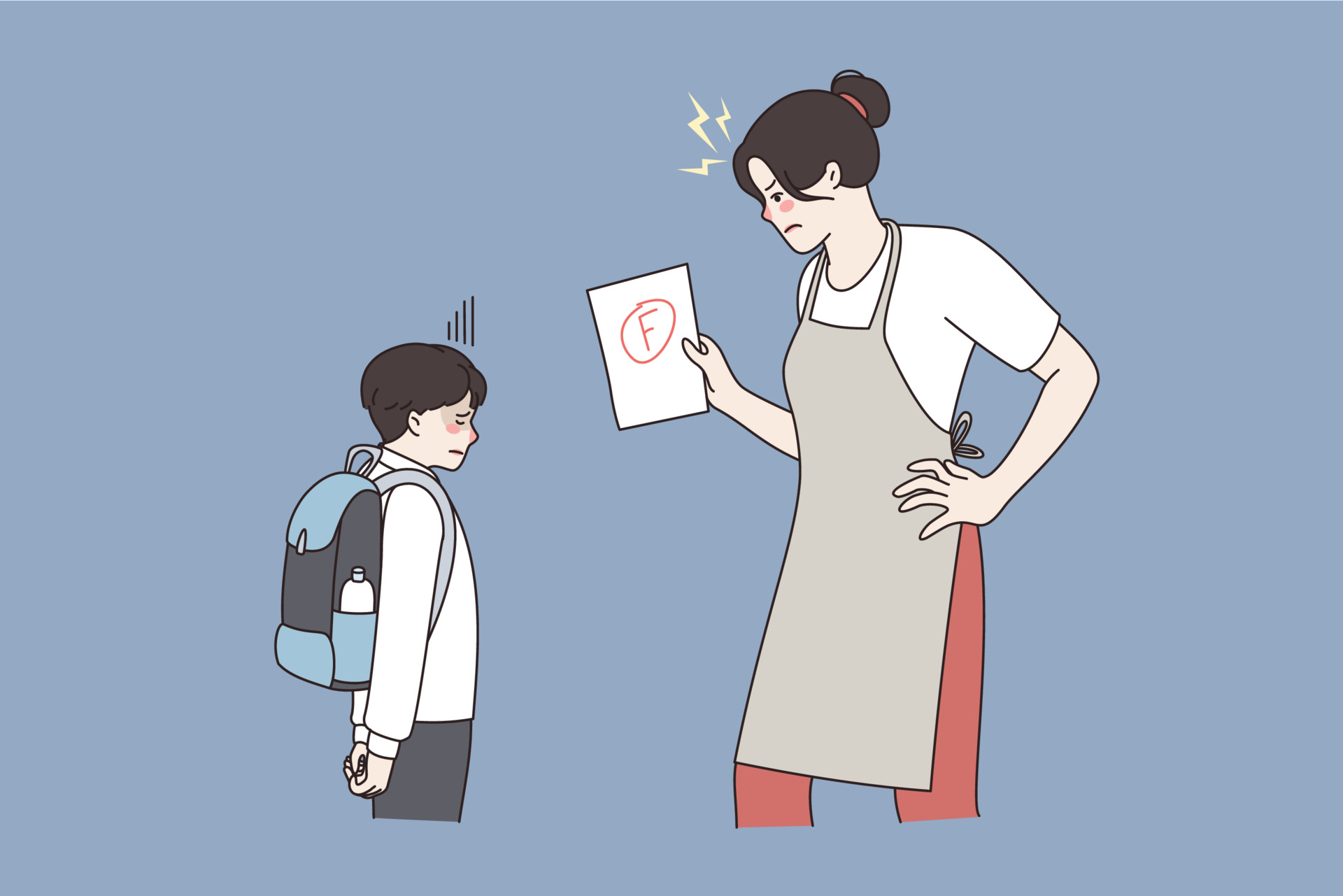 |
Learning pressure and lack of understanding from family can exhaust children. *Illustration: Vecteezy*
Recently, Anh Tuan noticed his son was less enthusiastic about studying, had a poor appetite, and often complained of tiredness. He wants to reduce the number of classes but has not yet found a way to compromise with his wife.
Last weekend, Anh Tuan took advantage of a two-hour break between two study sessions to take his son to Thu Le Park. The boy enthusiastically observed the animals and tried various games. On the way home, his son asked when they could return, deepening Anh Tuan's concerns about the current study schedule.
Anh Phong, 46, from Ho Chi Minh City, also faces disagreements with his wife regarding their two children's summer study schedules. His elder daughter is preparing for eleventh grade, and his younger son is about to enter seventh grade. While his wife wants the children to utilize the break for academic, skill, and talent development, Anh Phong feels the schedule consumes nearly all of their family time.
For their elder daughter, the mother views summer as a "launching pad" stage for graduation and university entrance exams, so she enrolled her in additional mock exams on weekends. During meals, conversations often revolve around academic results, rankings, and goals for entering good schools. When the children want to skip a session to attend a friend's birthday party or watch a movie with classmates, she often refuses, fearing disruption to their study schedule.
Anh Phong has repeatedly suggested dedicating some free days for the children, but his wife believes he does not show adequate concern for their future. "I don't oppose summer learning; I just want the children to have time off and for the family to be less stressed about school," he said.
 |
Summer break is a time for children to recharge after a year of studying and training. *Photo: Vecteezy*
Current research has not provided a universal answer on whether all children need extra summer schooling or should have a complete break. A summary by the Education Endowment Foundation (EEF, UK) indicates that well-designed summer programs can help students improve, especially when they have clear learning goals, are organized in small groups with trained teachers, and combine sports, arts, or experiential activities. The EEF estimates that students participating in such programs achieve about three months of additional progress compared to similar groups that do not participate.
However, these results do not mean that enrolling in many classes will necessarily lead to better learning outcomes for children. RAND Corporation, a non-profit policy research organization in the US, noted that benefits are clearer for children who attend regularly, have sufficient actual learning time, and access quality programs. Some short-term impacts may also diminish after the program ends. Therefore, effectiveness depends on the goals, quality, and organization of the programs, rather than the sheer number of classes children attend.
For young children, play is not opposed to learning. The American Academy of Pediatrics states that play activities support children's development of language, concentration, problem-solving abilities, and executive skills. Reading, observing nature, playing sports, doing chores, or participating in artistic activities also create learning opportunities that do not necessarily take the form of a classroom.
Therefore, instead of scheduling out of fear that their children will fall behind, parents can start by considering their children's actual needs. If a child has a knowledge gap, a targeted support program might be necessary. Children who do not face learning difficulties can maintain habits of reading, physical activity, and engaging in favorite activities. Schedules also need to include free days or periods, ensuring adequate sleep and opportunities for social interaction. Discussing with children before enrolling them helps parents identify which activities are suitable and which are adding undue pressure.
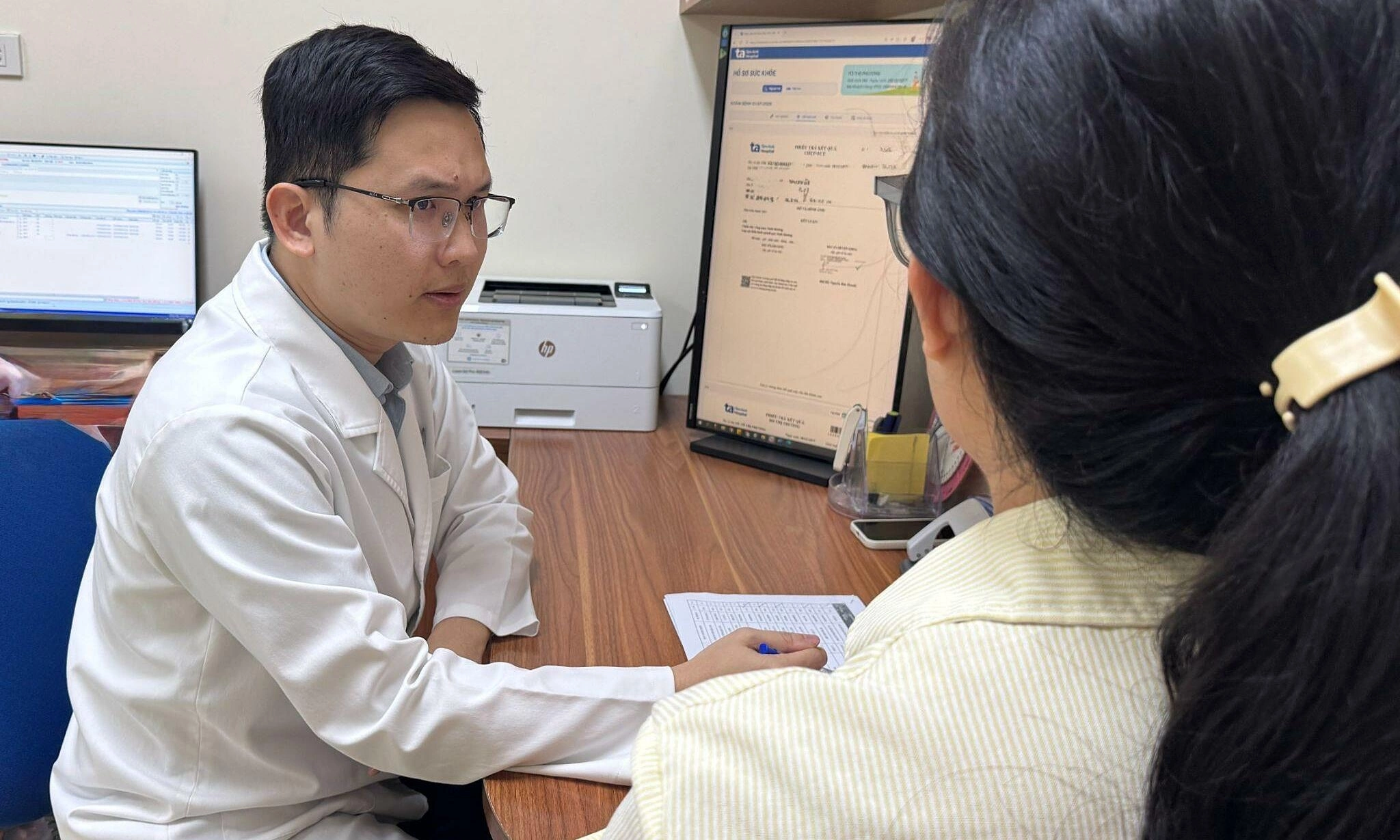
In addition to planning for study and play, doctor Bui Cong Su, Medical Manager at the VNVC Vaccination System, recommends that parents take time to check their children's vaccination history before the new school year. Children studying in crowded environments, with frequent contact with peers, are at a higher risk of exposure to infectious diseases.
 |
A female student is taken by her mother for vaccination at VNVC. *Photo: Hoang Duong*
Therefore, even before starting school, children need to be fully vaccinated against diseases such as diphtheria, pertussis, tetanus, polio, hepatitis B, Hib disease, pneumococcal, measles, flu, chickenpox, and meningococcal. At ages 4-6, children need booster shots for flu, a 4-in-1 diphtheria-pertussis-tetanus-polio booster, and the dengue vaccine. When children are 9 years and older, parents can have them vaccinated against HPV to prevent genital warts and HPV-related cancers such as cervical, vulvar, vaginal, anal, oropharyngeal, and penile cancers. If any doses are missed or the schedule is incomplete, children should receive counseling for catch-up vaccinations or boosters based on their age, health status, and professional guidance.
Government Decree No. 165, effective from 1/7/2026, mandates that educational facilities review vaccination status information for preschool children and students at all levels upon enrollment and annually. These facilities must also coordinate with health centers to promote full vaccination and organize mandatory vaccinations when necessary. According to Dr. Su, parents should retain vaccination records or data, proactively identify any missing doses, and take their children to a vaccination facility for appropriate recommendations. In cases where vaccination records are lost, the schedule is forgotten, or missing doses are unclear, parents can visit the nearest vaccination center for free consultation from a doctor.