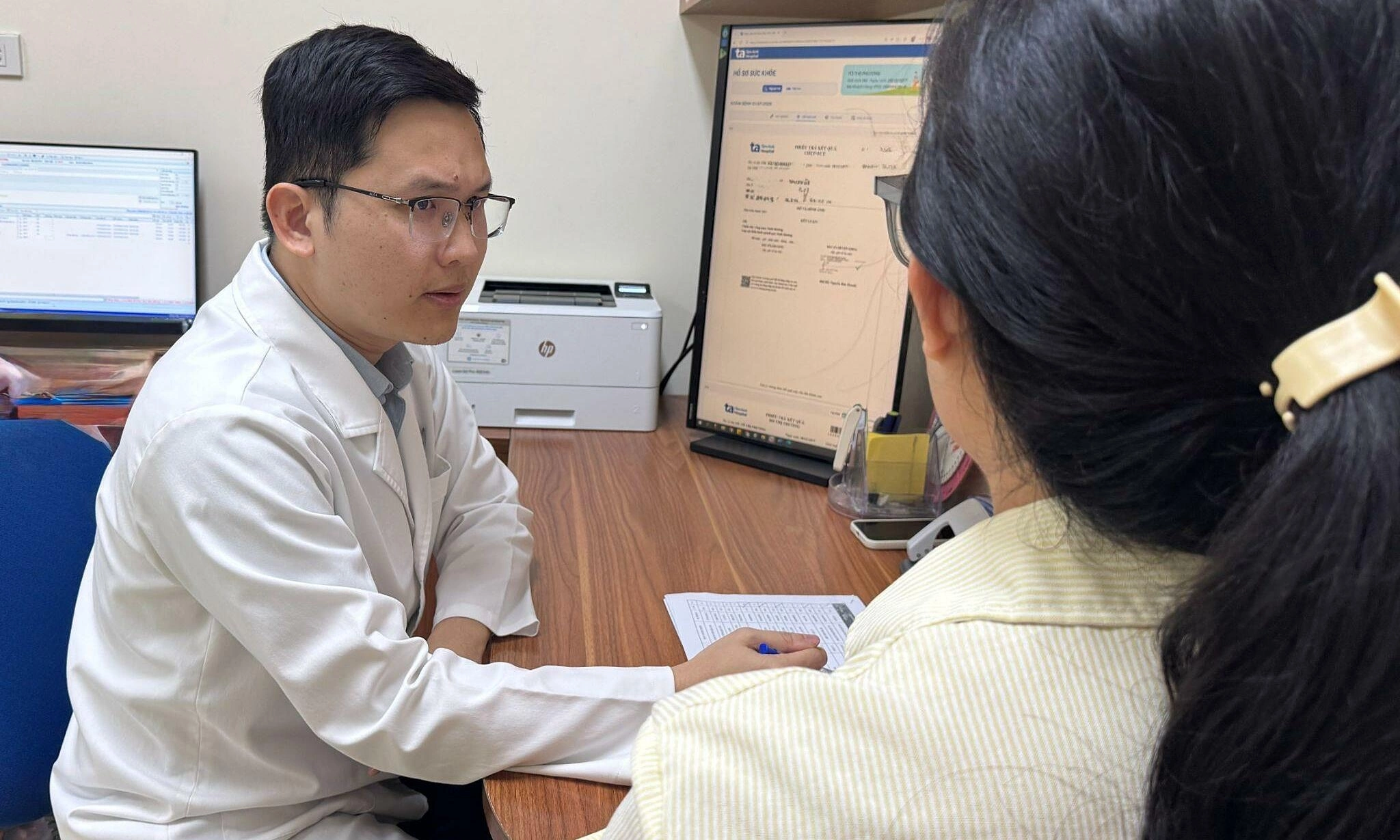
Answer:
Eating before and after exercise are both important, fulfilling different bodily needs. The optimal timing for meals depends on the type of activity, training goals, and individual physical condition.
Eating before exercise provides energy, primarily from carbohydrates, to maintain blood sugar and replenish muscle glycogen. This helps prevent fatigue, dizziness, or low blood sugar during physical activity, particularly during high-intensity workouts.
A post-workout meal is crucial for recovery and regeneration. After exercise, muscles undergo micro-damage and stored energy reserves are depleted.
To optimize training effectiveness and protect your digestive system, adjust meal timing before and after exercise based on your main meals. If you consume a main meal rich in protein and carbohydrates two to three hours before your workout, the energy should suffice for both activity and initial recovery, eliminating the need for an extra snack before exercise.
However, if this interval exceeds 4 hours or if your workout is high-intensity, a light snack of approximately 100-150 kcal, consisting of fast-absorbing carbohydrates, 30-45 minutes before exercise is beneficial. Account for the calories from this snack in your total daily energy intake to prevent excess leading to fat gain or deficiency causing weakness.
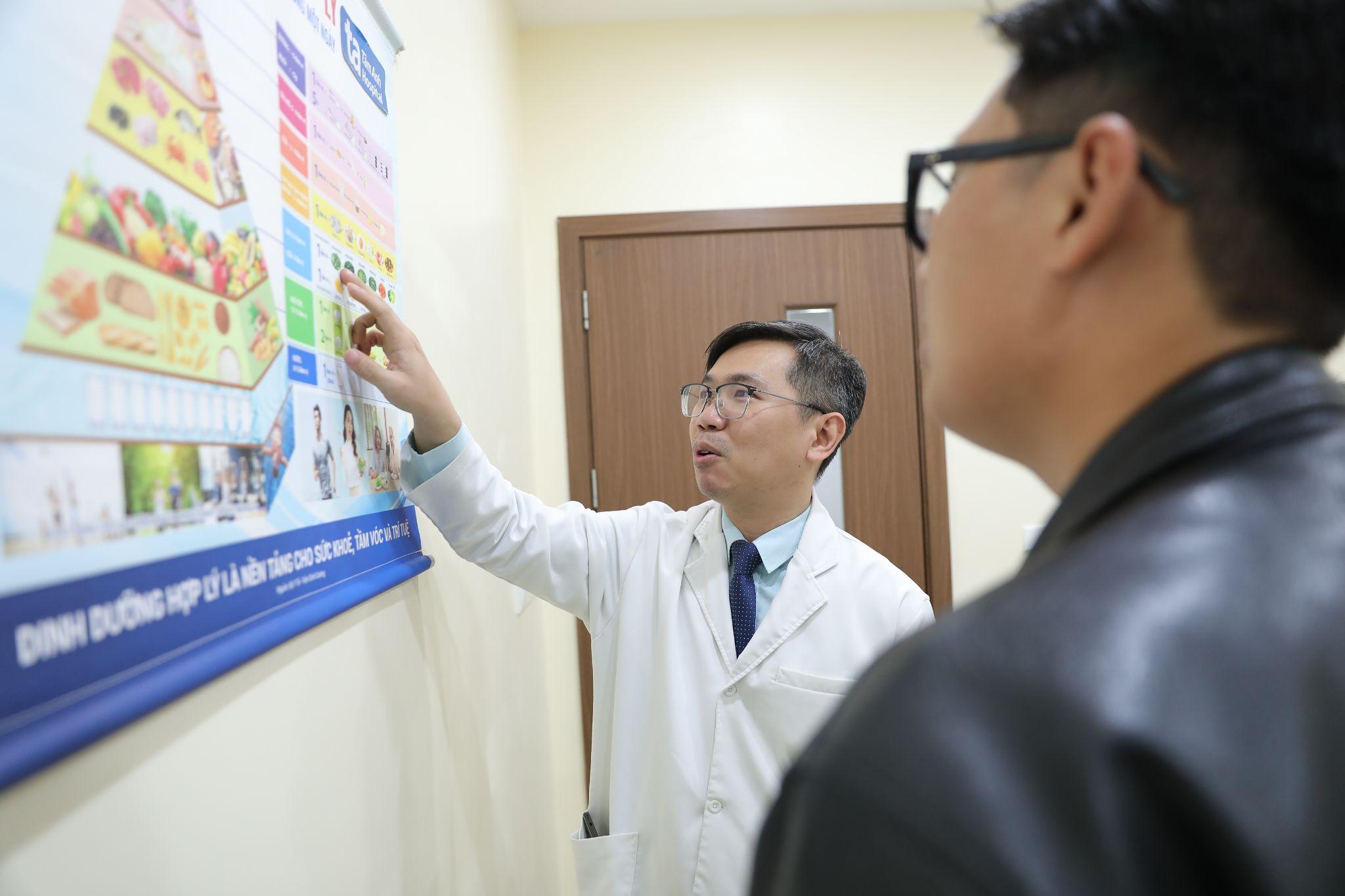 |
Doctor Nguyen Anh Duy Tung provides nutritional counseling to a patient. Illustration: Tam Anh General Hospital |
After your workout, if it is mealtime, you can immediately consume a main meal with appropriate portions, prioritizing carbohydrates and protein to replenish energy and support muscle repair and recovery. If your main meal is still distant, opt for a light snack approximately 30-45 minutes post-workout. Ensure you have your next meal within about two hours after exercising to provide essential nutrients for the recovery process.
Beyond nutrition, adequate hydration before, during, and after exercise is also crucial. Plain water is suitable in most cases. For prolonged or endurance workouts, especially those lasting over one hour, exercisers may need additional carbohydrates and electrolytes.
There is no universal formula, as individuals have varying digestion rates and body responses. Listening to your body, adjusting meal intervals, and maintaining a balanced diet are key to achieving sustainable training results.
Dr. Nguyen Anh Duy Tung
Department of Nutrition and Dietetics
Tam Anh General Hospital, Ho Chi Minh City
| Readers can submit nutrition questions here for a doctor's answers. |