The frenzy began after Goh Miah Kiat, head of Malaysian condom manufacturer Karex Bhd, which supplies major brands like Durex and Trojan, announced plans to increase product prices by 20% to 30%, Reuters reported on 23/4. The increase could be higher if supply chain disruptions due to the conflict in Iran continue.
In China, the hashtag "condom prices rising" garnered over 60 million views on the Weibo platform as of yesterday. Many users expressed concern that the Middle East conflict is not only affecting the macroeconomy but also starting to "invade" the bedroom.
Despite the expected price hike, most opinions suggest this will not deter them from using contraception and practicing safe sex. Many social media users urged each other to buy in bulk and stockpile.
One Weibo user commented, "Spending dozens of yuan on one condom is still a hundred times more economical than spending millions of yuan to raise one child." Another wrote, "From now on, not only do we have to tighten our belts, but we also have to seize the opportunity to stock up early."
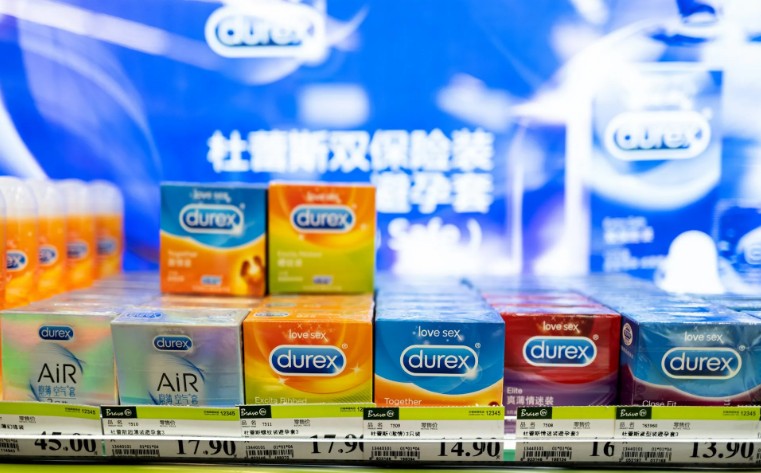 |
China abolished a three-decade-long tax exemption policy for contraceptive products on 1/1, imposing a 13% tax on these items. Photo: VCG/2020 VCG. |
This wave of discussion comes as the Chinese government implements policies to improve its severely declining birth rate. Last year, the number of children born in the country fell to a record low. Rising condom prices are expected to exacerbate family planning costs in China.
The burden is heavier after China abolished a three-decade-long tax exemption policy for contraceptive products earlier this year. Condoms and oral contraceptives are now subject to a 13% value-added tax, like other common consumer goods.
Currently, Karex—which produces over 5 billion condoms annually—is closely monitoring the conflict situation. Meanwhile, Reckitt, the company that owns the Durex brand, has not yet issued an official response regarding price impacts in the Chinese market.
Binh Minh (According to Reuters)