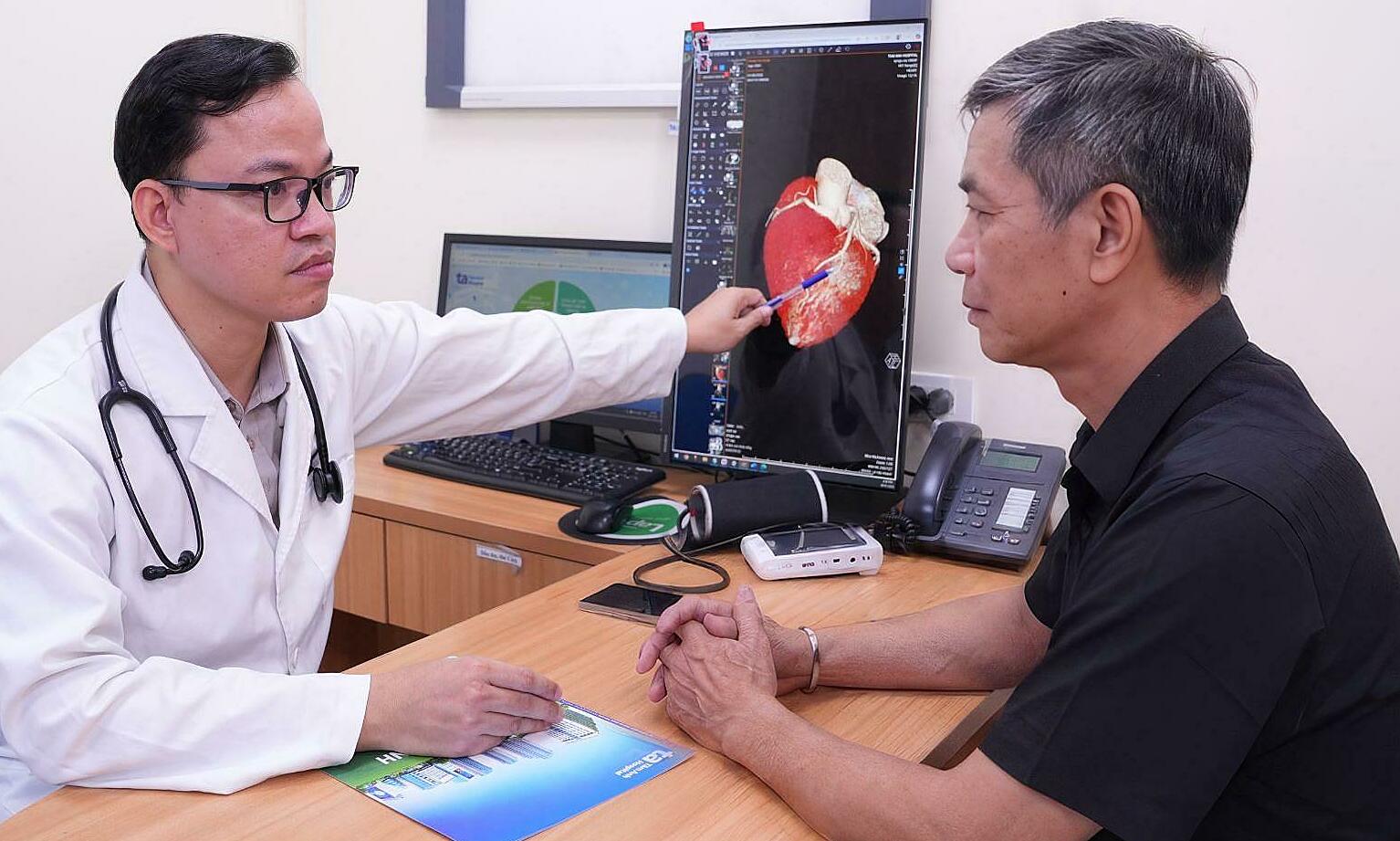
This process is silent, slow-progressing, and often painless, making it easy to overlook until vision significantly deteriorates. The eyes are among the first organs affected by diabetes.
Retinal blood vessel damage
The eye functions like a camera, with the retina responsible for receiving images and transmitting signals to the brain. The retina contains a system of very small, sensitive blood vessels. When blood sugar remains high for extended periods, these vessels gradually weaken, potentially swelling, leaking, or becoming blocked.
In some cases, the body forms new blood vessels to compensate, but these vessels are often fragile, prone to rupture, and cause complications. This mechanism leads to diabetic retinopathy, a leading cause of vision impairment.
Silent vision decline
Eye damage from high blood sugar often shows no clear symptoms in its early stages. Individuals may maintain normal vision until the condition worsens. When symptoms appear, they can include blurry vision, fluctuating sight, black spots or "floaters," difficulty seeing at night, and even sudden vision loss. Because these signs progress silently, many people may not recognize them, missing opportunities for early intervention.
Increased risk of dangerous eye conditions
High blood sugar not only causes isolated problems but also raises the risk of multiple eye conditions. Diabetic retinopathy reduces visual clarity, while macular edema causes retinal swelling due to fluid accumulation. Cataracts lead to premature clouding of the eye's lens, and glaucoma creates pressure on the optic nerve, potentially resulting in permanent vision loss. These conditions can progress concurrently, severely impairing vision if left uncontrolled.
High blood sugar often co-occurs with other risk factors such as high blood pressure and dyslipidemia. These factors combine to place a significant burden on the vascular system, especially the small blood vessels in the eyes.
The extent of eye damage in each individual depends not only on the duration of the condition but also on blood sugar management and lifestyle.
Most diabetic eye damage is preventable or its progression can be slowed with early and effective control. Maintaining stable blood sugar and regularly monitoring HbA1c levels are crucial factors. Additionally, individuals with diabetes should eat healthily, exercise for about 45 minutes daily, and manage stress to protect blood vessels.
Annual eye examinations, even in the absence of symptoms, are an effective way to detect abnormalities early. Vision loss due to diabetes does not occur suddenly but results from a long-term accumulation process, making it preventable with proactive health care from an early stage.
Bao Bao (According to Times of India)