Female hormones not only govern reproductive capabilities but also directly impact skin, physique, sleep, and emotional state. The brain - pituitary - ovarian axis regulates hormones such as estrogen, progesterone, and some testosterone. When this axis functions harmoniously, physiological functions in the body remain stable.
Pharmacist Do Xuan Hoa, from the Medical Information Center, Tam Anh General Hospital TP HCM, stated that signs of balanced hormones include:
Regular menstrual cycles reflect the stable function of the hypothalamus - pituitary - ovarian axis. Estrogen rises in the first half of the cycle, promoting uterine lining development and stimulating ovulation, while progesterone increases after ovulation, contributing to further lining growth. These two hormones work together to ensure the proper proliferation and shedding of the uterine lining, minimizing menstrual cycle disruptions and enhancing fertility.
Stable emotions and good sleep quality are linked to balanced estrogen and progesterone. These two hormones participate in regulating neurotransmitters like serotonin, dopamine, and GABA. This regulation promotes sleepiness, deeper sleep, and reduces stress, irritability, or unexplained anxiety.
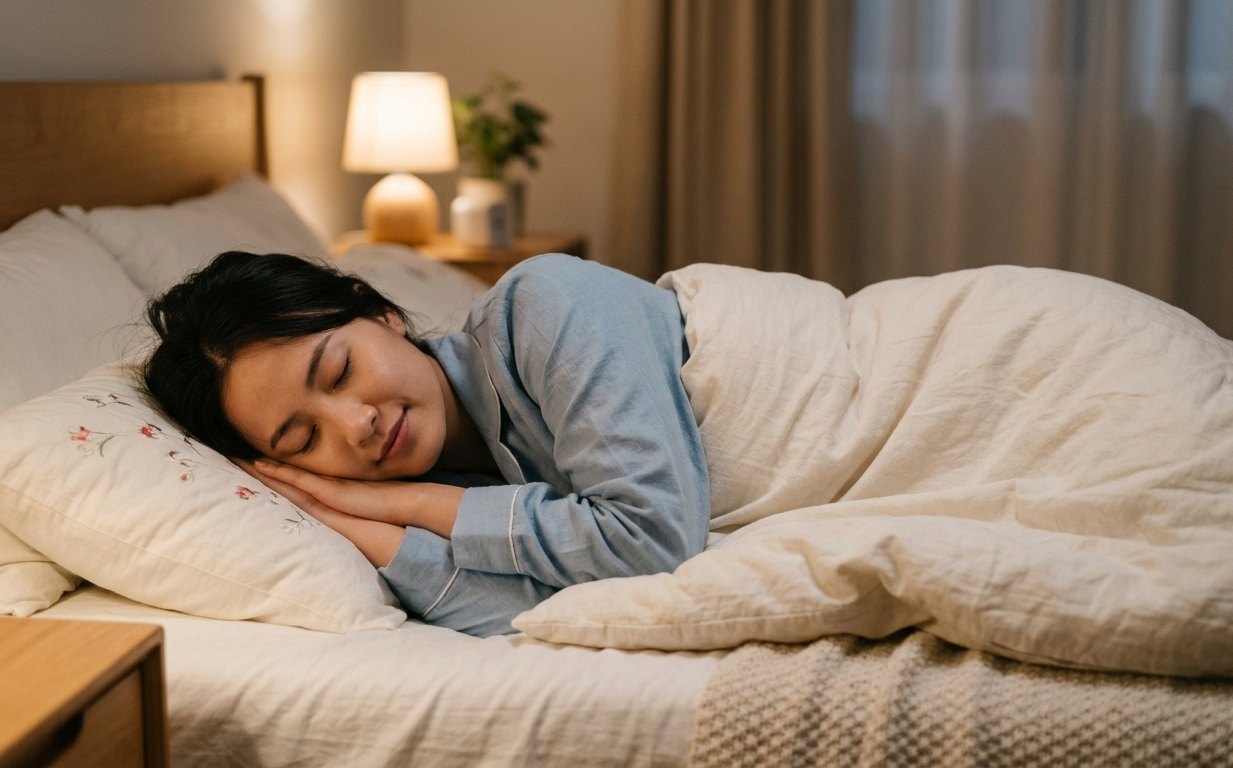 |
Good sleep is one of the signs that female hormones are balanced. *Image created by AI*.
Healthy skin and hair are also positive indicators of balanced female hormones. Estrogen maintains moisture and supports collagen synthesis, leading to smooth, radiant skin. When the hormonal trio of estrogen, progesterone, and testosterone is balanced, sebaceous glands are controlled, reducing clogged pores. Stable hormones also ensure a normal hair growth and shedding cycle, minimizing breakage.
A balanced physique reflects efficient sugar and fat metabolism, proper fat distribution, and reduced accumulation of visceral fat in the abdominal area. Stable estrogen and effective insulin activity help the body use energy efficiently, limiting fat storage and abnormal weight gain.
Stable physiological function is linked to estrogen and testosterone. Estrogen maintains vaginal lining moisture and elasticity, while testosterone supports libido and physiological function in women. Fluctuations in the levels of the hormonal trio—estrogen, progesterone, and testosterone—during the menstrual cycle, pregnancy, menopause, or with age, all impact women's libido and quality of sexual life.
Late nights, chronic stress, poor nutrition, or lack of physical activity directly affect brain and pituitary gland function, disrupting the entire endocrine system. Over time, the body may show signs such as menstrual irregularities, acne, weight gain, or insomnia.
Pharmacist Hoa advises that to balance hormones, women should get enough sleep, maintain a scientific diet, exercise regularly, manage stress, and limit alcohol and tobacco use. Supplementing with natural extracts like Lepidium meyenii and P. leucotomos can support the body in regulating the brain - pituitary - ovarian axis, improving women's health, beauty, and physiological function.
Dinh Dieu
| Readers can ask questions about endocrine diseases here for doctors to answer |