When he suddenly lost consciousness, his relatives immediately called the Ho Chi Minh City (TP HCM) 115 Emergency Center. Emergency personnel provided phone instructions on how to assess the patient's condition and perform chest compressions. For nearly 15 minutes while awaiting the emergency team, family members continuously performed chest compressions.
Upon the arrival of medical personnel, the patient remained in cardiac and respiratory arrest, suspected to be caused by a dangerous ventricular arrhythmia. The team from the Emergency and Resuscitation Center, Nhan Dan Gia Dinh Hospital Saigon facility, immediately initiated advanced cardiopulmonary resuscitation, secured the airway, provided respiratory support, administered medication, and continued resuscitation during transport to the hospital.
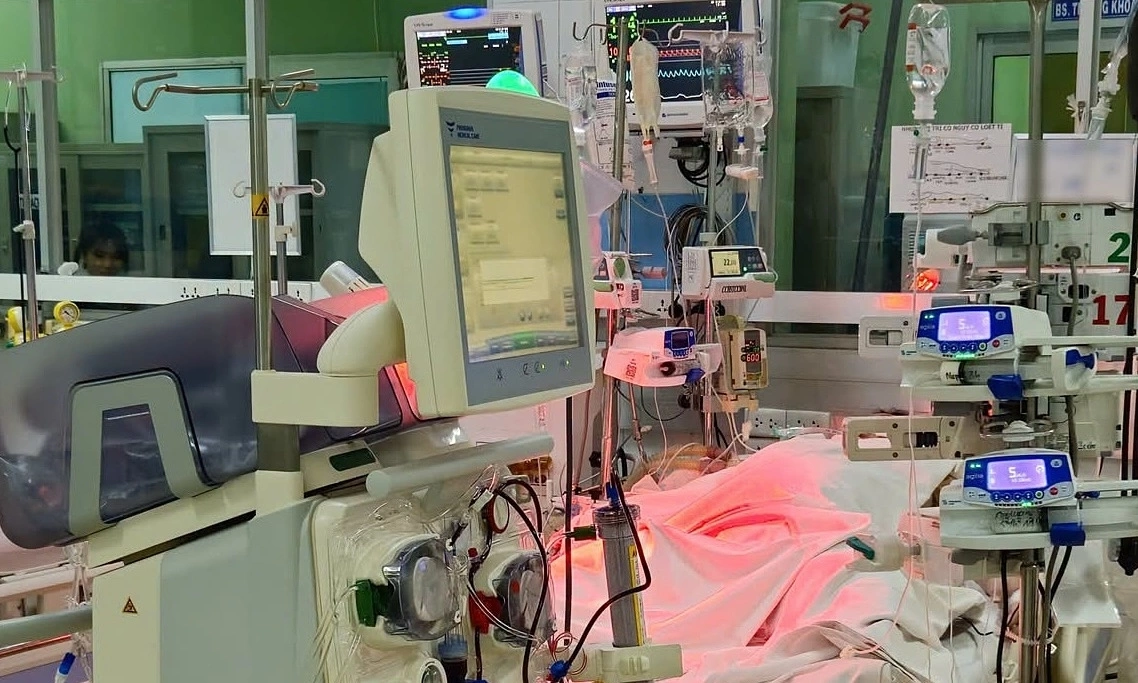
After more than 50 minutes of resuscitation, his heart began beating again. The patient then received mechanical ventilation and hemodynamic support, with his body temperature controlled and organ functions monitored.
Doctors later diagnosed him with dilated cardiomyopathy, a condition that significantly reduces the heart's pumping function. This disease heightens the risk of ventricular arrhythmias, which can lead to the heart abruptly failing to pump blood. Additionally, the prolonged circulatory arrest impacted the patient's kidneys, necessitating continuous dialysis to manage fluid, electrolyte, and metabolic imbalances.
Two days later, his hemodynamics and organ functions improved, eliminating the need for renal replacement therapy. By the fourth day, vasopressor medications were discontinued, and the patient was successfully weaned off the ventilator and extubated. Approximately one week later, he was conscious, responsive, and able to walk independently.
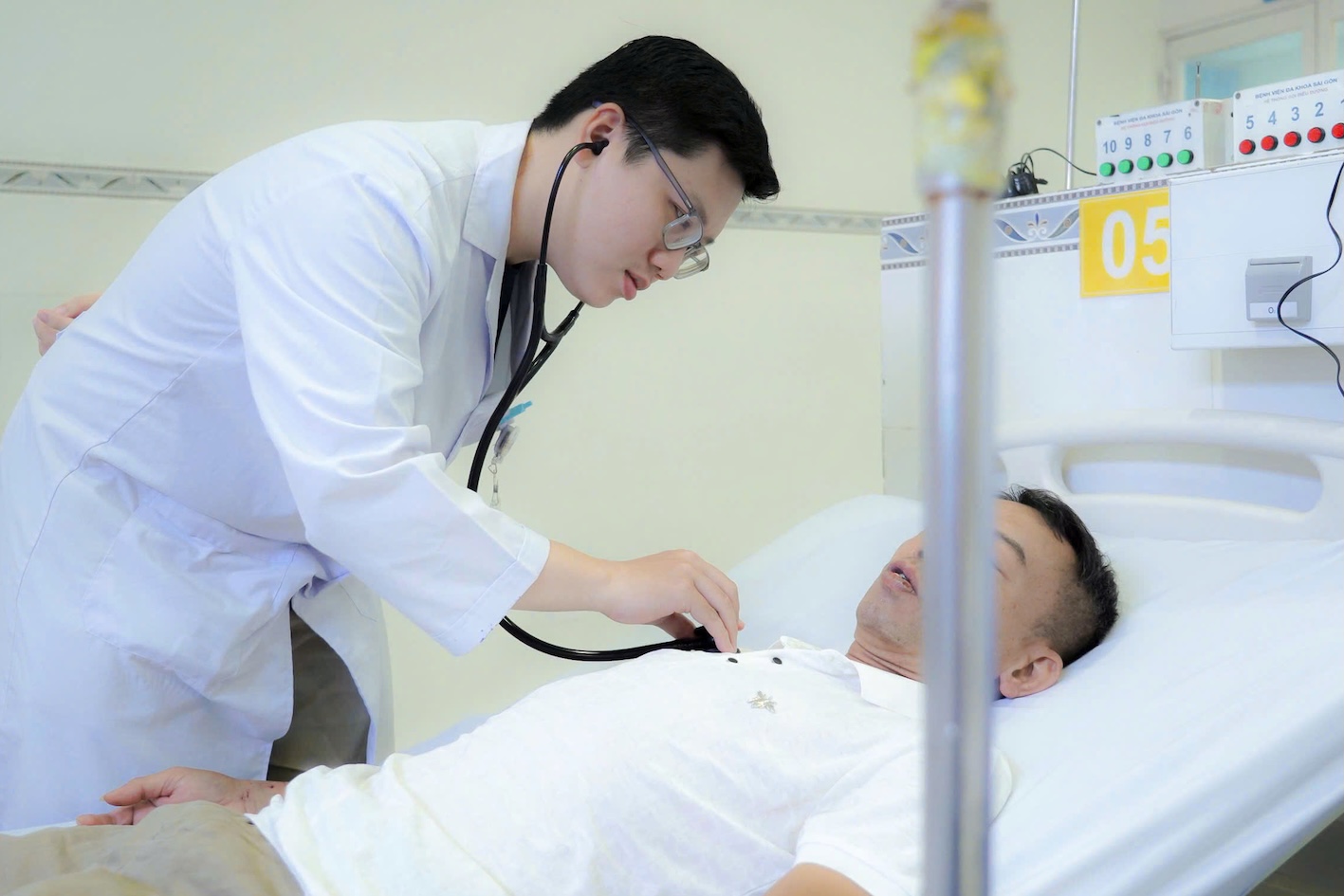 |
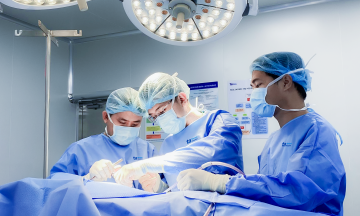
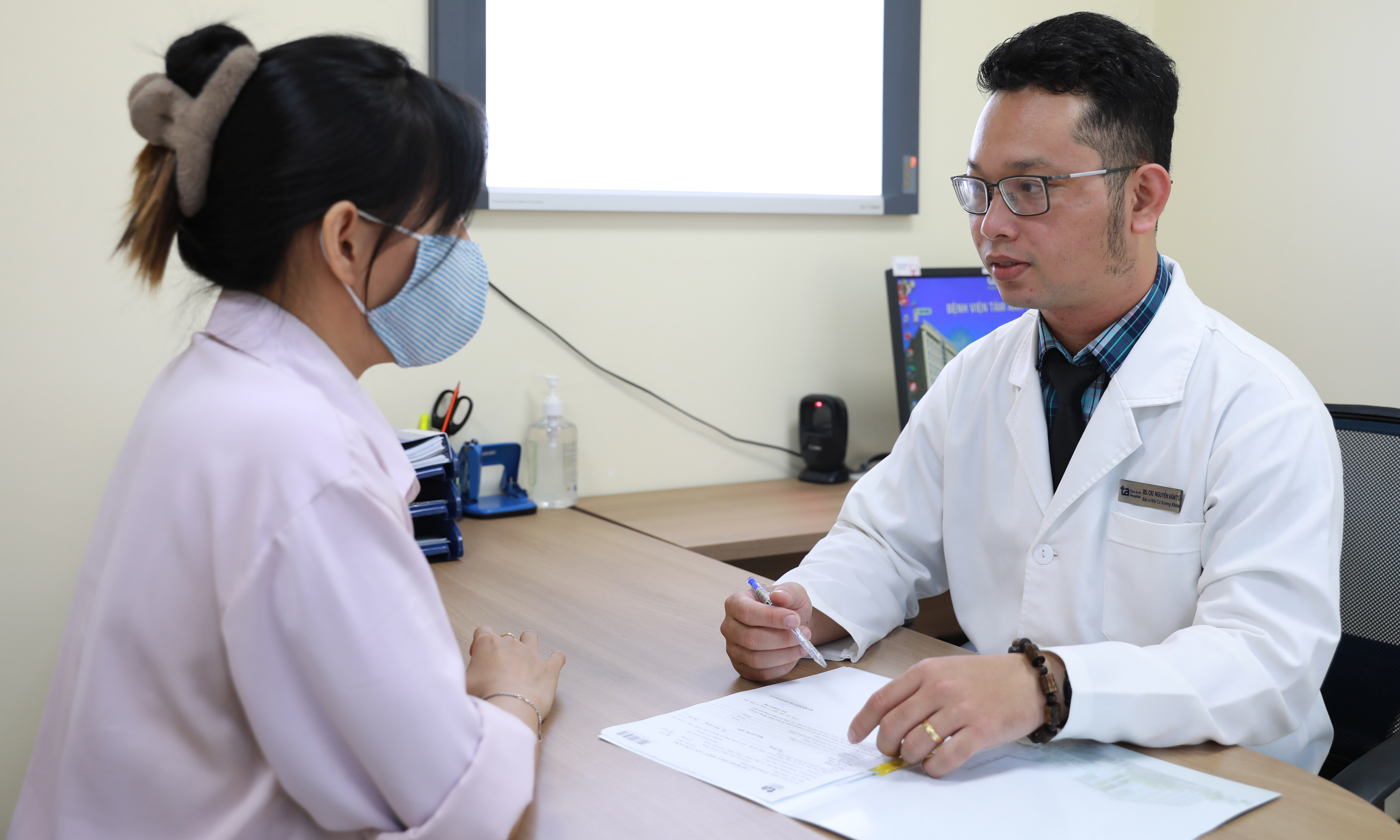
Doctors examining the patient. Photo: Hospital provided
On 9/9, Dr. Vo Thuy Van, Specialist 2, executive manager of the Emergency and Resuscitation Department at Nhan Dan Gia Dinh Hospital Saigon facility, emphasized that the family's prompt call to 115 and early chest compressions were crucial in saving the patient's life.
Therefore, if someone is found suddenly unconscious, unresponsive, and not breathing normally, it is imperative to immediately call 115 and initiate chest compressions following the emergency operator's phone instructions. Early and continuous chest compressions are vital for maintaining blood flow to the brain and other critical organs while professional emergency medical services are en route.
"This case highlights that cardiac arrest resuscitation must begin immediately at the scene, even before the pre-hospital emergency team and hospital can continue advanced resuscitation", the doctor stated.
Steps for first aid in cardiac and respiratory arrest. Video: Ho Chi Minh City 115 Emergency Center
Le Phuong