You do not need an HPV test or cancer screening before getting vaccinated. Individuals who have been sexually active, previously infected with HPV, or have HPV-related diseases are not required to delay vaccination for these reasons.
HPV testing primarily helps detect high-risk virus types, aiding cervical cancer screening. It is not used to determine if a person is eligible for vaccination. A positive test result does not mean the individual has been infected with all HPV types covered by the vaccine.
Even those currently or previously infected with HPV can still be vaccinated to protect against types they have not yet contracted. However, the vaccine does not eliminate existing infections and does not treat genital warts, precancerous lesions, or existing cancer. If you have lesions or abnormal test results, you still need examination and treatment as advised by a doctor, but this does not mean you must wait for complete recovery before vaccination.
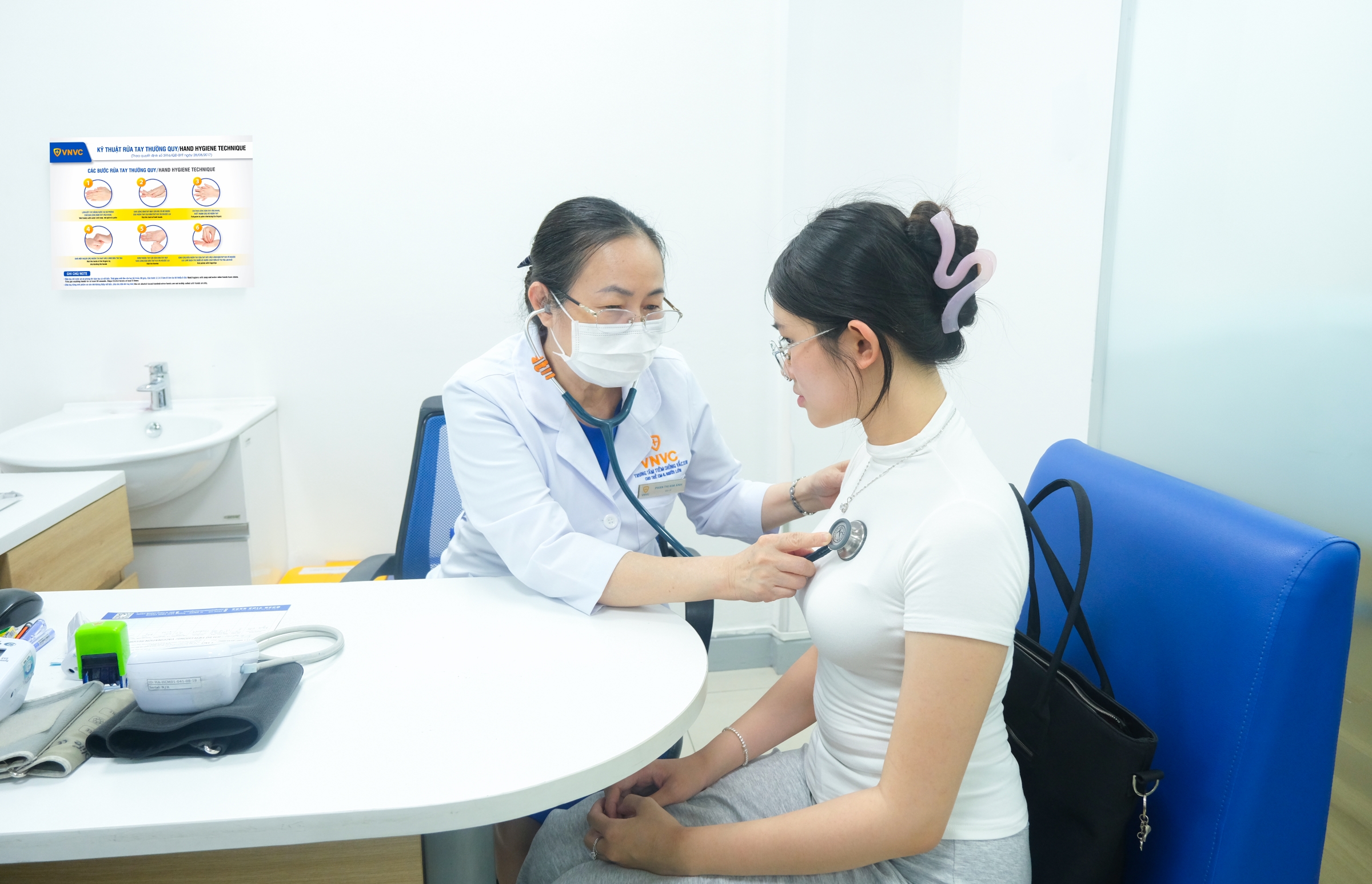 |
People undergo screening before receiving preventive vaccinations at VNVC Vaccination System. Photo: Binh An |
Currently, the 9-valent HPV vaccine is recommended for males and females aged 9 to 45 years. Individuals starting vaccination between 9 and 14 years old typically receive two doses, while those aged 15 to 45 receive three doses. The 4-valent HPV vaccine is indicated for females aged 9 to 26 years. The vaccine helps prevent virus types 6 and 11, which cause genital warts, and virus types that cause cervical, vulvar, vaginal, anal, and oropharyngeal cancers. At 35 years old, you are still within the recommended age range for the 9-valent vaccine.
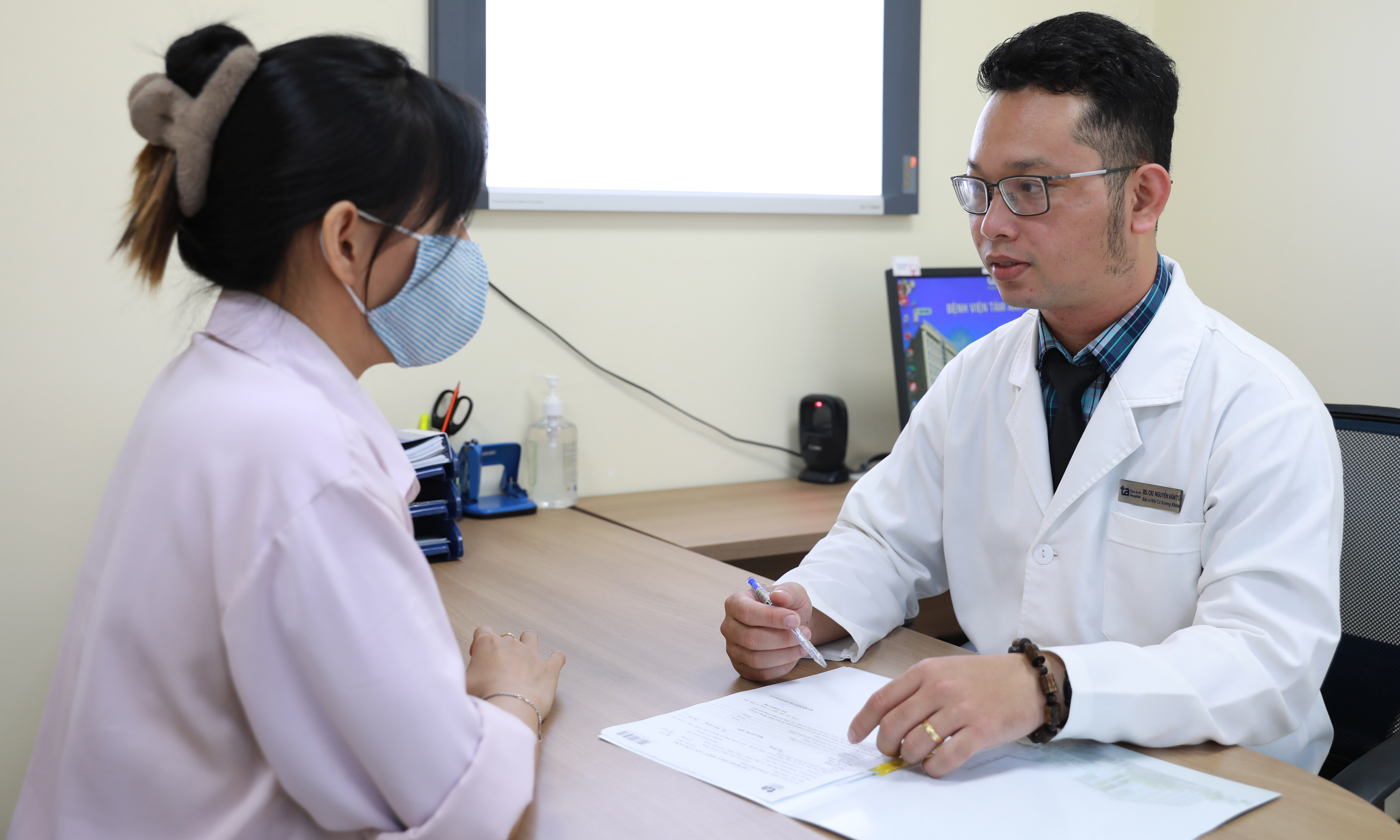
Before vaccination, you will need to undergo a screening and provide information about your health status, any current illnesses, medications you are taking, allergy history, reactions to previous vaccine doses, and the possibility of pregnancy. Individuals who have had anaphylaxis to vaccine components or a previous dose should not continue with that specific vaccine type. Those with moderate or severe acute illness may be advised to postpone vaccination until their health stabilizes.
The HPV vaccine is not recommended during pregnancy, but routine pregnancy testing is not required before vaccination. If pregnancy is discovered after one dose, the remaining doses should be postponed until after pregnancy, and there is no need to restart the vaccination series. Breastfeeding women can still be vaccinated as advised by a doctor.
After vaccination, you should remain at the vaccination facility for at least 30 minutes and continue monitoring at home. Common reactions such as pain, swelling, redness at the injection site, headache, fatigue, nausea, or mild fever usually resolve on their own. If you experience difficulty breathing, cyanosis, widespread hives, dizziness, high fever, or prolonged unusual symptoms, contact a medical facility immediately for treatment.
The vaccine does not prevent all HPV types or other sexually transmitted infections. Vaccinated individuals still need to practice safe sex, and women should continue cervical cancer screening according to age and professional guidelines.
Dr. Nguyen Le Nga
Medical Manager, VNVC Vaccination System
Readers can submit vaccine-related questions for doctors to answer here.